
Core Stability Exercises
Physiotherapy guide to trunk control, spinal support and safe exercise progression.


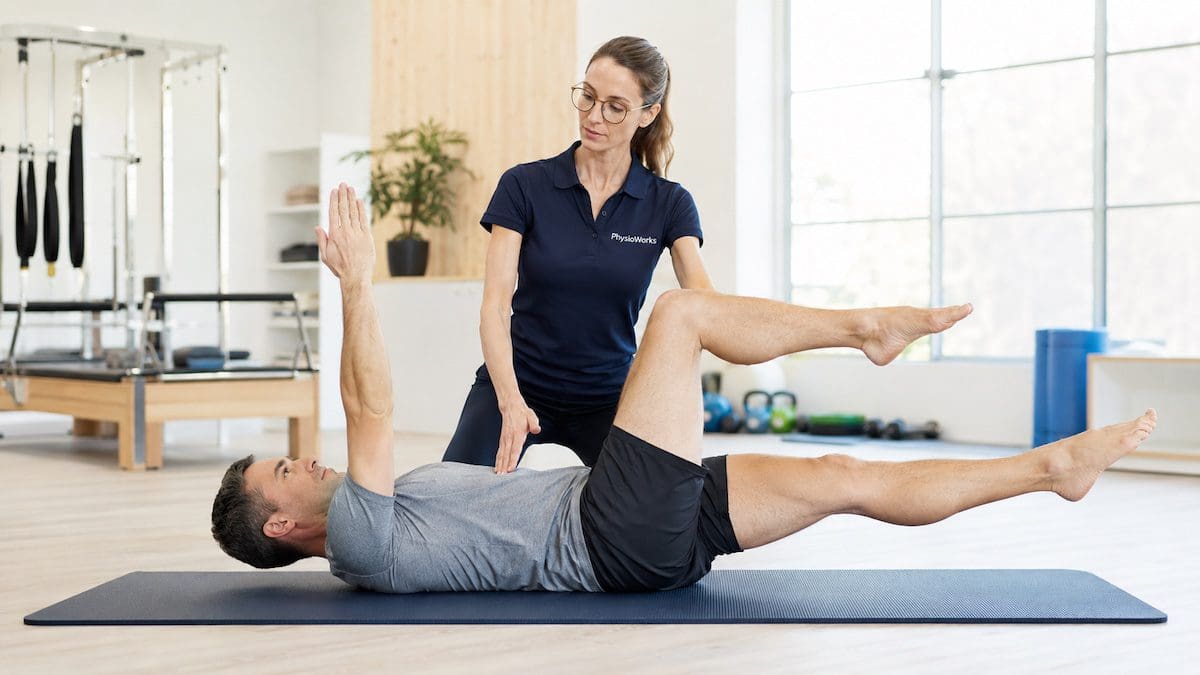
Supervised dead bug retraining for core control.
Core stability exercises help improve trunk control, spinal support and movement confidence. They are often used within a broader core stability training program, especially for people with recurrent back pain, reduced control of their deep core muscles, or trouble returning to sport, gym or work tasks.
Your core is more than your “abs”. It includes deep and surface muscles that help control your spine, ribs, pelvis, breathing and hip position during movement. When these muscles do not work well together, extra strain can build through your lower back and pelvis.
Quick Summary
- Core stability exercises focus on trunk control, not just abdominal strength.
- They may help people with recurring lower back pain.
- They should match your symptoms, fitness, movement pattern and goals.
- Progression matters more than starting with the hardest exercise.
What Are Core Stability Exercises?
Core stability exercises are targeted movements that retrain how your trunk muscles support and control your spine during breathing, lifting, walking, sport and daily activity. They usually begin with low-load coordination work, then progress toward stronger and more useful movement patterns.
The goal is not to brace your stomach all day. Instead, a good program helps your body respond naturally to changing loads, positions and tasks. This can improve confidence with daily movement, gym training, running and work activities.
Why Are Core Stability Exercises Important?
Your lumbar spine is designed to move, absorb load and transfer force between your upper and lower body. To do that well, it relies on coordinated muscle support. If deep trunk muscles fatigue early, switch on late or fail to coordinate with breathing and hip control, your body may compensate with stiffness or over-bracing.
This does not mean core weakness is the only cause of pain. However, for some people, improving trunk control and exercise tolerance becomes an important part of back pain physiotherapy, function and flare-up management.
When Do You Need Core Stability Exercises?
A physiotherapist may recommend core stability exercises when back pain keeps returning, gym or lifting tasks flare symptoms, single-leg movements feel poorly controlled, or you cannot activate the right muscles during rehabilitation.
They may also form part of a plan for people with core stability concerns, reduced trunk endurance, post-pregnancy trunk weakness, or ongoing issues after a previous back injury. In some cases, real-time ultrasound retraining helps assess muscle activation and guide early retraining.
Core Control Warning Signs
- your lower back arches or grips during simple exercises
- you hold your breath when lifting, bracing or getting up
- your back flares after planks, sit-ups or heavy gym work
- you feel unsure how to progress from floor exercises to standing tasks
- your symptoms settle, then return when training volume increases
What Will Your Physiotherapist Check?
Your physiotherapist will usually assess how your lumbar spine, pelvis, hips, ribs, breathing pattern and trunk muscles work together. They may also check pain behaviour, lifting technique, balance, endurance and how your symptoms respond to different positions or loads.
This assessment helps identify whether you need early activation work, endurance training, strength progressions, load management, mobility work or a different treatment pathway. It also helps avoid generic exercises that may not match your body or goals.
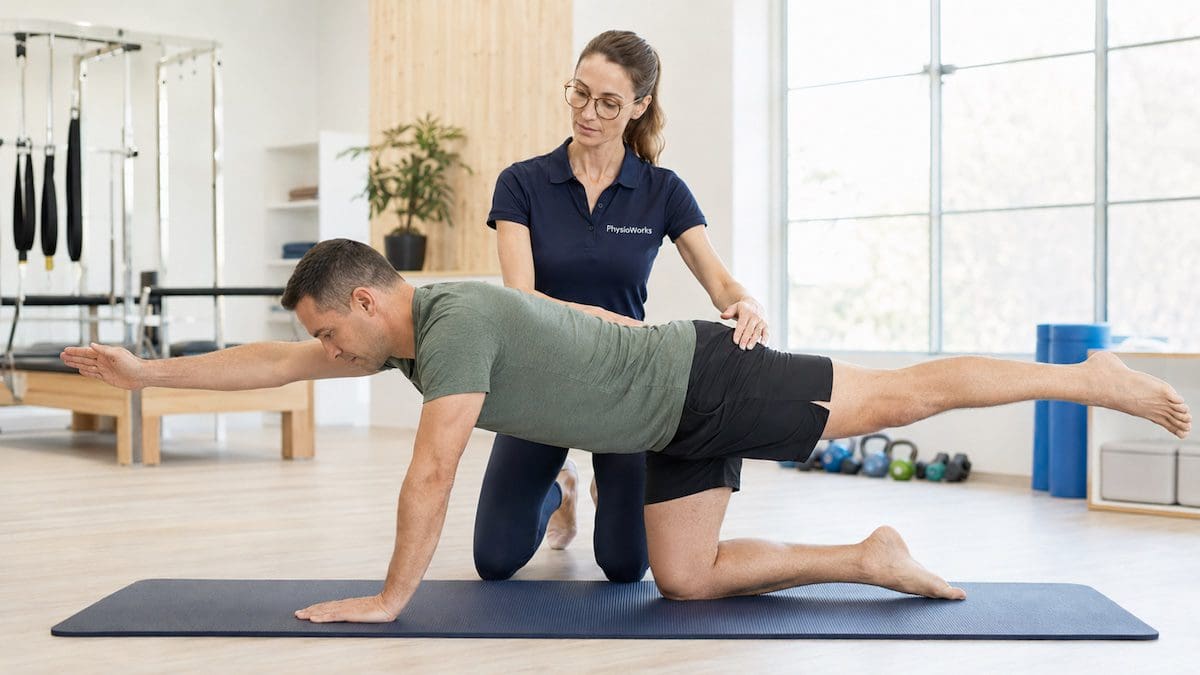
Bird-dog control for lumbar stability.
How Are Core Stability Exercises Usually Progressed?
Most people do best when exercises progress from simple control to useful strength. Early stages often focus on breathing, pelvic control, lower abdominal activation and keeping the trunk steady during easy arm or leg movement. Later stages add load, speed, balance, rotation and work or sport-specific tasks.
| Stage | Main Goal | Example Exercises |
|---|---|---|
| Early control | Improve breathing and pelvis control | Breathing drills, pelvic tilts, gentle abdominal activation |
| Movement control | Hold trunk position while limbs move | Dead bugs, heel taps, bird-dog variations |
| Strength base | Build endurance and load tolerance | Bridges, side holds, carries, controlled hip hinges |
| Functional loading | Link trunk control to daily and sport tasks | Squats, step-ups, lifting practice, running or gym progressions |
Do Core Stability Exercises Help Lower Back Pain?
Core stability exercises may help some people with lower back pain, especially when the program is matched to their pain pattern, movement control and activity goals. They usually work best as part of a broader plan that may include education, pacing, walking, mobility and strength work.
Current low back pain guidelines support exercise-based care, including trunk muscle activation and movement control work for selected presentations. However, exercise choice matters. A copied online routine may miss the reason your symptoms keep returning.
What Makes a Good Core Exercise Program?
A good program is specific, progressive and practical. It should match your symptoms, training background, goals and movement pattern. It also needs the right dosage. Too easy, and it may not create change. Too hard, and you may brace, hold your breath, flare your pain or reinforce poor technique.
That is why many people do better with an individual assessment first. Your physiotherapist can decide whether your main issue is timing, endurance, strength, mobility, breathing control, load tolerance or a different diagnosis altogether.
Is a Core Stability Program Right for You?
If your back pain keeps returning, your gym exercises keep flaring symptoms, or you feel unsure about how to progress, a tailored core stability program may help. A physiotherapist can assess how your trunk, hips, pelvis, breathing and movement control work together before choosing your starting point.
This matters because two people can need very different programs, even if they both describe a “weak core” or lower back pain.
Core Stability Exercises FAQs
Are core stability exercises the same as ab workouts?
No. Ab workouts usually chase strength, fatigue or visible muscle definition. Core stability exercises focus more on coordination, control, breathing, endurance and how your trunk supports movement. Some people need both, but they are not the same starting point.
How often should you do core stability exercises?
That depends on your stage of rehab. Early activation drills may be practised most days, while harder strengthening work often suits two to four sessions each week. Quality matters more than volume. Your physiotherapist should guide the right progression for your body and goals.
Can you do core stability exercises if you already have back pain?
Often yes, but the type of exercise matters. The wrong exercise, poor technique or progressing too quickly can aggravate symptoms. A tailored program usually starts with positions and loads that feel manageable, then builds gradually as your pain settles and your control improves.
When should you see a physiotherapist?
Book an assessment if your back pain keeps returning, your gym program keeps flaring symptoms, you feel unstable during lifting or sport, or you are unsure which exercises suit you. Early guidance can reduce guesswork and help you train with better confidence and technique.
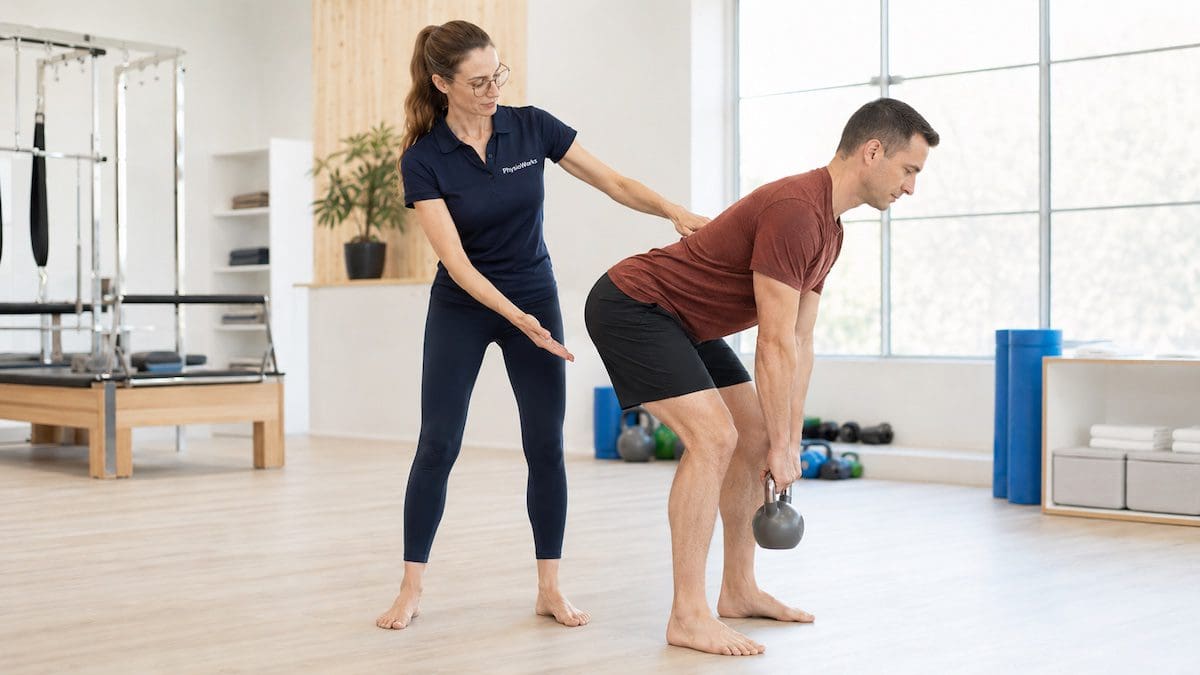
Core control progressing into safe lifting.
Related Information
- Core stability training – how a structured program progresses from activation to load.
- Core exercise guide – examples of common starting exercises and progressions.
- Pilates and core stability – how Pilates may fit into a trunk control plan.
- Back pain physiotherapy – what to expect if symptoms keep returning.
- Essential back pain FAQs – common questions about back pain, scans and safe activity.
What to Do Next
If you are unsure which core stability exercises suit you, start with an assessment rather than guessing. A physiotherapist can identify whether you need activation, endurance, strength, mobility, load management or a different treatment pathway.
At PhysioWorks, your program can be tailored to your symptoms, fitness level and goals, whether you want to settle back pain, return to sport, improve gym performance or rebuild confidence with movement.
Choose your clinic and appointment pathway
Select a PhysioWorks clinic to continue to live booking, an appointment request or reception assistance.
Back Support Products
These back support products are commonly used by our physiotherapists to help reduce back pain, improve comfort, and support your recovery at home.
-
-
 Braces & Supports, Back, Maternity, SIJ
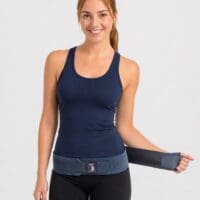
Maternity Support Belt – OPPO 4062
$37.00Select optionsQuick View -
 Back, Braces & Supports, Maternity, SIJ
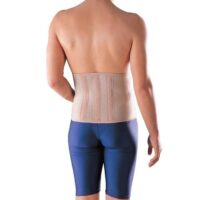
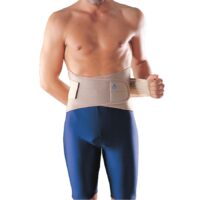
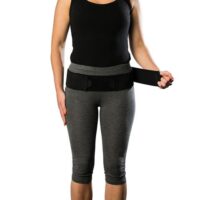
Core Stability Support – OPPO 3462
$54.00Select optionsQuick View -
 Back, Braces & Supports, Maternity, Posture
Maternity Back Support – OPPO 2062
$60.00 – $64.00Select optionsQuick View -
- Braces & Supports, Back, Maternity, SIJ
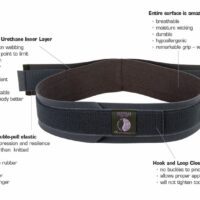
AOM38 AllCare Ortho Core Stability Belt
$49.95Select optionsQuick View -
 Back, Braces & Supports, Maternity, Posture
Pregnancy Belly Band & C-Section 3-in-1
$94.99Select optionsQuick View -


References
- George SZ, Fritz JM, Silfies SP, Schneider MJ, Beneciuk JM, Lentz TA, et al. Interventions for the management of acute and chronic low back pain: revision 2021. J Orthop Sports Phys Ther. 2021;51(11):CPG1-CPG60. doi:10.2519/jospt.2021.0304
- Smrcina Z, Woelfel S, Burcal C. A systematic review of the effectiveness of core stability exercises in patients with non-specific low back pain. Int J Sports Phys Ther. 2022;17(5):766-774. doi:10.26603/001c.37251
- Saragiotto BT, Maher CG, Yamato TP, Costa LOP, Costa LCM, Ostelo RWJG, et al. Motor control exercise for nonspecific low back pain: a Cochrane Review. Spine (Phila Pa 1976). 2016;41(16):1284-1295. doi:10.1097/BRS.0000000000001388