Corked Thigh

Article by John Miller

What is a Corked Thigh?
A corked thigh, often referred to as a dead leg, quadriceps contusion, or Charley horse, occurs when an opponent tackles you, forcing your thigh muscles against the underlying bone. This impact causes significant bruising and bleeding around the muscle. Many athletes in contact sports experience a corked thigh.
The Two Types of Contusion
Contact sports like football or rugby frequently see contusions, or bruises. Athletes can experience two main types: intramuscular and intermuscular.
An intramuscular contusion results from the tearing of the muscle within its surrounding sheath. This injury can lead to a significant loss of muscle function, power, and enduring pain. Recovery from an intramuscular contusion often takes longer because the muscle has limited space to expand, leading to increased pressure and swelling.
On the other hand, an intermuscular contusion happens when the muscle and part of its surrounding sheath tear. The fluid and blood from the injury can then move away from the injury site, often resulting in a quicker recovery compared to intramuscular contusions.
No matter the type of contusion, athletes should seek medical attention immediately. Timely diagnosis and treatment can accelerate recovery and prevent lasting complications.
Symptoms of a Corked Thigh
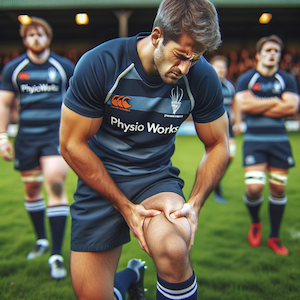
A corked thigh presents symptoms like pain, swelling, bruising, limited movement, and reduced power. Experts grade contusions as 1, 2, or 3 based on their severity.
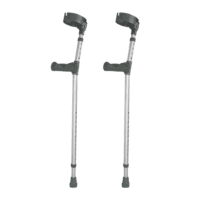
A mild contusion, or a grade 1, might lead to thigh tightness, walking difficulties, and slight swelling. A more severe grade 2 contusion can cause sporadic pain twinges during activity, potential swelling, and challenges in bending and straightening the knee. The most severe, a grade 3 contusion, can result in intense pain, significant swelling, and a need for crutches to walk, with a recovery time ranging from 3 to 12 weeks.
Treating a Corked Thigh
Seeking professional help promptly for a corked thigh ensures a correct diagnosis and treatment. Exercising on a severe intramuscular injury or a complete rupture can hinder healing, exacerbate the injury, or even cause permanent disability. In the initial stages, it’s crucial to avoid heat and massage to prevent myositis ossificans, where bone forms within the muscle, leading to extended periods away from sports.
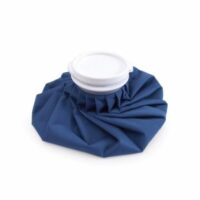
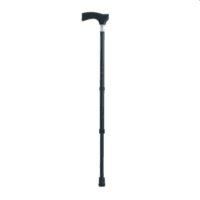
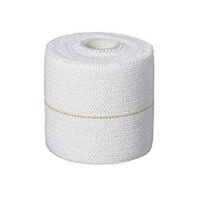
Treatment for a corked thigh should commence with immediate medical attention. If you can’t get professional help straight away, follow the R.I.C.E. (Rest, Ice, Compress, Elevate) protocol. Rest the affected limb, ice it to lessen inflammation, compress it using a bandage, and elevate it above heart level to reduce pain and swelling. Use crutches and start physiotherapy as soon as possible. Always consult a physiotherapist or sports doctor.
After two to three days, check the injury’s severity. Persistent swelling might indicate an intramuscular injury. If bleeding spreads and causes bruising away from the injury site, it likely indicates an intermuscular injury. If you can still contract the muscle, it might also be an intermuscular injury. Always seek a professional assessment if you detect muscle deformation or a gap.
Conclusion
A corked thigh, while common among athletes, requires immediate attention and appropriate care to ensure a swift and full recovery. By understanding the types of contusions, recognising the symptoms early, and seeking professional guidance, athletes can mitigate the risks associated with this injury. Always remember, while passion for the sport is commendable, prioritising one’s health and well-being ensures a longer, more fulfilling athletic journey.

Related Articles
- Quadriceps Injuries, Quadriceps Tendinopathy, and Quadriceps Tear – Readers will find detailed information about various quadriceps injuries and their treatment.
- Muscle Strain (Muscle Pain) – This article explains muscle strains, a condition related to corked thigh injuries.
- Thigh Strain – Offers insights into thigh strains.
- R.I.C.E. Treatment – The article discusses the R.I.C.E. method, so this link offers more detailed guidance on this treatment approach.
- Sports Physiotherapy – A page on the benefits of sports physiotherapy.
- Knee Pain – Given that corked thigh injuries can affect knee movement, this article is relevant for readers seeking more information about knee-related issues.
- Crutches: How to Use Crutches – If you need to use of crutches in severe cases, here’s guidance on crutch usage.
- Muscle Injuries & Conditions – This broader article covers various muscle injuries and conditions, providing a comprehensive understanding related to corked thigh issues.
Article by John Miller
Thigh Injuries
Thigh injuries can significantly impact your daily life and activities, whether you're an athlete or someone who enjoys staying active. As a physiotherapist, I often encounter individuals seeking assistance for various lower body ailments. In this guide, I'll discuss the most common thigh injuries, their causes, prevention strategies, and when to seek professional advice.

Common Thigh Injuries
- Thigh injuries encompass a range of conditions, including muscle strains and contusions. These injuries often occur during sports activities, sudden movements, or accidents. Symptoms may include pain, swelling, bruising, and difficulty moving the affected leg.
- A hamstring strain involves damage to one or more of the muscles at the back of the thigh. This injury is prevalent among athletes, particularly those involved in sports requiring sprinting, jumping, or sudden changes in direction. Symptoms include sharp pain, tenderness, and weakness in the hamstring muscles.
- Iliotibial band syndrome, or ITB syndrome, is a common overuse injury among runners and cyclists. It occurs when the ITB, a thick band of tissue running along the outside of the thigh, becomes inflamed or irritated. Symptoms typically include pain on the outer side of the knee, especially during activities such as running or cycling.
- Runner's knee, also known as patellofemoral pain syndrome, is a common complaint among runners, cyclists, and individuals who engage in repetitive knee movements. It causes pain around or behind the kneecap, often exacerbated by activities such as climbing stairs, squatting, or sitting for prolonged periods.
- Sciatica refers to pain that radiates along the path of the sciatic nerve, which runs from the lower back through the hips and down each leg. It can result from various factors, including a herniated disc, spinal stenosis, or muscle tightness. Symptoms may include sharp or burning pain, numbness, tingling, and weakness in the legs.
Prevention Strategies
Preventing lower body injuries begins with understanding the risk factors and implementing proactive measures. Here are some strategies to help you safeguard your lower body health:
- Warm-up and Cool-down: Incorporate dynamic warm-up exercises before physical activity to prepare your muscles and joints for movement. Follow up with gentle stretching and cool-down exercises to aid in muscle recovery and flexibility.
- Gradual Progression: Avoid overexertion by gradually increasing the intensity, duration, and frequency of your workouts. Sudden spikes in activity level can increase the risk of injury, so listen to your body and progress at a pace that feels comfortable.
- Proper Technique: Ensure proper form and technique during exercise to minimise the risk of strain or injury. Consult with a qualified fitness instructor or physiotherapist to learn correct movement patterns and modifications tailored to your needs.
- Strength and Flexibility: Incorporate strength and flexibility exercises targeting the muscles surrounding your thighs, hips, and knees. Focus on exercises that improve stability, balance, and range of motion to support your lower body joints during physical activity.
- Rest and Recovery: Allow for adequate rest and recovery between workouts to prevent overuse injuries and promote muscle repair. Listen to your body's cues and avoid pushing through pain or fatigue, as this can lead to further injury.
Conclusion
By prioritising prevention strategies and seeking professional guidance when needed, you can minimise the risk of experiencing debilitating lower body injuries. Remember to listen to your body, respect its limits, and invest in its long-term health and functionality.
What to Do?
If you're experiencing persistent pain or discomfort in your lower body, it's essential to seek the guidance of a qualified physiotherapist. They can assess your condition, provide targeted treatment, and develop a tailored rehabilitation plan to help you recover safely and effectively.
Related Articles
- Understanding and Treating Thigh Injuries
- Preventing Hamstring Strains: Tips and Exercises
- Managing ITB Syndrome: Effective Treatment Strategies
- Runner’s Knee: Causes, Symptoms, and Treatment
- Sciatica Relief: Exercises and Therapies
- Lower Body Strengthening Exercises for Injury Prevention
- The Importance of Warm-up and Cool-down for Athletes
- Understanding Overuse Injuries in Sports
- Effective Strategies for Rest and Recovery
- When to Seek Physiotherapy for Sports Injuries
-

-
-
-
-
-
-
-
-
-
-
-
-
-
-
-
-
Exercise Balls, Back, Exercise Equipment, Knee, Shoulder
Exercise Ball – 300kg Antiburst
$34.00 – $54.00 -
-
-
-
-
-
-
-
-
-
-
-
-
-
-