
Discoid Meniscus

Article by John Miller

What is a Discoid Meniscus?
Discoid Meniscus
Every knee has a medial and lateral meniscus which are C-shaped pieces of fibrocartilage that absorb stress and act as cushions between the bones at the knee. At birth, the meniscus is not C-shaped but discoid (round like a discus).
With growth and walking, the discoid meniscus evolves into its normal C-shape. In some children, the lateral meniscus continues to stay discoid with growth. The incidence is approximately 3-5% of the population.
What are the Symptoms of a Discoid Meniscus?
The most common presentation is a 6 to 8-year-old child with a “snapping” or a “clicking” knee when they walk. However, it is also possible for the onset to occur in the early adolescent years when a child’s sporting activities increase. Luckily, a discoid meniscus is usually pain-free, and the clicking noise is frequently noticed first.
In some instances, as the child grows older, the click increases and may cause recurrent locking, where they cannot straighten or bend their knee fully. This lock will commonly also manifest as pain in the knee.
What Tests Confirm a Discoid Meniscus?
The X-ray appearance is usually healthy in a discoid meniscus. To confirm the diagnosis, an MRI is often necessary to visualise the discoid meniscus.
What is the Treatment of Discoid Meniscus?
In most cases, if there is no significant locking or pain, treatment is non-surgical. Physiotherapist- prescribed exercises consisting of stretching and strengthening exercises for the Quadriceps and Hamstring muscles plus proprioceptive and knee control exercises are normally successful.
In cases where there is a significant disability, surgical excision may occur. In most cases, a partial removal to preserve the cushioning function may be sufficient. You will need to consult with an Orthopaedic Surgeon for a medical opinion.
Please consult your knee physiotherapist or doctor for specific advice regarding your discoid meniscus.

-

-
-
-
-
-
-
-
-
-
-
-
-
-
-
-
-
-
-
-
-
-
-
-
-
Exercise Balls, Back, Exercise Equipment, Knee, Shoulder
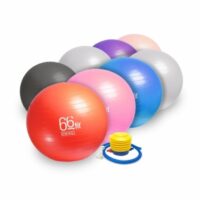
Exercise Ball – 300kg Antiburst
$34.00 – $54.00 -
-
-
-
-
-
-
-
-
-
-










Related Articles
- Meniscus Tear – Explains the causes, symptoms, and treatment options for meniscus tears, a common knee injury.
- Meniscus Tear Treatment Options: Your Guide To Diagnosis & Treatment – Offers comprehensive insights into managing meniscal injuries and various treatment methods.
- Knee Sports Injuries – Provides information on different sports-related knee injuries and prevention tips.
- Effective Management of Popliteus Tendinopathy – Discusses the symptoms, causes, and treatment options for Popliteus Tendinopathy, affecting the knee area.
- Management of Fat Pad Syndrome: Insights & Tips – Delivers an overview of Fat Pad Syndrome, including symptoms, causes, and how it can be managed.
- Osgood-Schlatter Disease – Focuses on a knee condition common in young athletes, including symptoms, causes, and treatment options.
Knee Pain Causes
A Comprehensive Guide
Knee pain is often a symptom of underlying issues ranging from acute injuries to systemic health conditions. Identifying knee pain causes is essential for effective treatment. This guide offers an overview of potential culprits, providing a pathway to understanding and addressing your knee discomfort.

Knee Ligament Injuries
Ligament injuries, such as ACL and PCL tears, are significant knee pain causes. They can lead to instability and severe discomfort, requiring prompt medical evaluation.
- ACL Injury
- PCL Injury
- MCL Sprain
- LCL Sprain
- Posterolateral Corner Injury
- Superior Tibiofibular Joint Sprain
- Symptoms of a Torn Ligament
- Walking with a Torn Ligament
ACL Injuries
An ACL injury is a common sports-related knee injury that can lead to long-term knee pain and require surgical intervention.
- Is Surgery Needed?
- Living Without an ACL
- Main Function of the ACL
- Untreated ACL Injury
- Symptoms of an ACL Tear
- Diagnosing an ACL Tear
- Best Surgery for ACL Tear
- Post-ACL Reconstruction Rehabilitation
Knee Meniscus Injuries
Meniscus tears, often caused by twisting or turning quickly, are prevalent knee pain causes, with treatment options varying based on severity.
Kneecap Pain
Pain in the kneecap can arise from various conditions, affecting your ability to engage in daily activities comfortably.
- Chondromalacia Patella
- Fat Pad Syndrome
- Patella Dislocation
- Patellofemoral Pain Syndrome
- Patellar Tendinopathy
- Quadriceps Tendinopathy
- Osgood Schlatter’s Disease
- Sinding Larsen Johansson Syndrome
Knee Arthritis
Arthritis is a leading cause of knee pain, particularly in older adults, with symptoms that can significantly impair quality of life.
Knee Tendon Injuries
Tendon injuries can result from overuse or sudden, high-impact activities, contributing to ongoing knee pain.
Muscle Injuries
Muscle strains and related conditions are common knee pain causes, especially among athletes and active individuals.
- Corked Thigh
- Thigh Muscle Strain
- Hamstring Strain
- ITB Syndrome
- Popliteus Syndrome
- Muscle Strain
- Muscle Cramps
- DOMS – Delayed Onset Muscle Soreness
Knee Bursitis
Inflammation of the bursae can cause significant knee pain, often requiring targeted treatment to reduce symptoms.
Children’s Knee Conditions
Young athletes can experience specific knee conditions related to growth and activity levels.
Other Knee-Related Conditions
Various other conditions can lead to knee pain, necessitating a broad understanding of potential knee pain causes.
- Baker's Cyst
- Runner’s Knee
- Reducing Knee Stress for Runners
- Plica Syndrome
- Fibromyalgia
- Stress Fracture
- Overuse Injuries
- Restless Legs Syndrome
Knee Surgery
In some cases, surgical intervention may be the best option to address certain knee pain causes effectively.
Seek Professional Advice
For tailored information regarding your knee pain, consult a healthcare professional with experience in knee conditions, such as a knee physiotherapist, sports physician or knee surgeon. They can provide a personalised assessment and treatment plan to address your specific needs.
Knee Pain Products & FAQs
A variety of products can support knee pain management. Browse our selection and read our FAQs to learn more about how to alleviate knee discomfort. More info: Knee Pain Products & FAQs
With this guide, you’re better equipped to understand the various knee pain causes and take the first step towards recovery. Remember, early intervention by a skilled physiotherapist can significantly improve your outcomes and assist in returning you to a pain-free, active lifestyle.
-
-
-
-
-
-
-
-
-
-
Exercise Balls, Back, Exercise Equipment, Knee, Shoulder
Exercise Ball – 300kg Antiburst
$34.00 – $54.00 -
-
-
-
-
-
-
-
-
-
-
-
-
-
-
-
-
-
-
-
-
-
-
-
-
-
Knee Pain FAQs
Knee pain is a widespread issue, impacting individuals of varying ages and lifestyles. Causes range from injuries and wear and tear to conditions like arthritis. This FAQ section aims to provide insights into knee pain, covering diagnosis, ligament issues, ACL injuries, meniscal injuries, age and arthritis concerns, and pain relief methods through exercise and treatment.
Feel free to click on the questions to for deeper discussions into each topic.

Diagnosis Related
How Can I Determine If My Knee Injury Is Serious?
- Learn to assess the severity of your knee injury based on symptoms and situations.
How Can I Identify The Type Of Knee Injury I Have?
- Discover how different knee injuries manifest and what signs to look for.
When Should I Seek a Physiotherapist or Doctor for My Knee Injury?
- Find out the right time to consult professionals for your knee concerns.
Is Knee Clicking a Sign of a Serious Condition?
- Understand what knee clicking indicates about your joint health.
When Should I Consider Getting a MRI for My Knee?
- Learn about the circumstances when an MRI becomes necessary.
Why Has My Knee Suddenly Started Hurting?
- Explore potential reasons behind sudden knee pain.
Why Does My Knee Hurt On The Inner Side?
- Identify causes of inner knee pain and when to seek help.
Knee Ligament Related
What Are The Common Symptoms of a Torn Ligament in the Knee?
- Recognise the signs of a torn knee ligament.
Can I Walk With A Torn Ligament In My Knee?
- Understand the feasibility and risks of walking with a torn ligament.
ACL Related
What are the Consequences of Not Getting Surgery for an ACL Injury?
- Learn about the long-term effects of untreated ACL injuries.
What Are The Symptoms Of An ACL Tear?
- Identify the key signs of an ACL tear.
Meniscus Related
Is Surgery Necessary for a Meniscal Injury?
- Discover when surgery is essential for meniscal injuries.
Can a Torn Meniscus Heal Without Surgery?
- Find out if meniscal tears can heal naturally.
Age & Arthritis Related
At What Age Do Knee Problems Typically Begin?
- Learn about the onset age for common knee problems.
What are the Common Symptoms of Arthritis in the Knee?
- Identify arthritis symptoms in the knee.
Running Related
What are Some Ways that Runners Can Reduce Knee Stress?
- Explore methods for runners to minimise knee stress.
Knee Treatment & Exercise Related
Is Walking Good For Knee Pain?
- Understand the benefits of walking for knee pain.
What are Some Effective Ways to Relieve Knee Pain?
- Discover various methods to alleviate knee pain.
How Much Walking is Recommended for Individuals with Knee Pain?
- Learn the ideal walking duration for those with knee pain.
Related Articles
-
-
-
-
-
-
-
-
-
-
-
-
-
-
-
-
Exercise Balls, Back, Exercise Equipment, Knee, Shoulder
Exercise Ball – 300kg Antiburst
$34.00 – $54.00 -
-
-
-
-
-
-
-
-
-
-
-
-
-
-
-
-
-
-
-
