
Hamstring Strain
Symptoms, treatment, recovery phases and a graded return to running after hamstring injury.


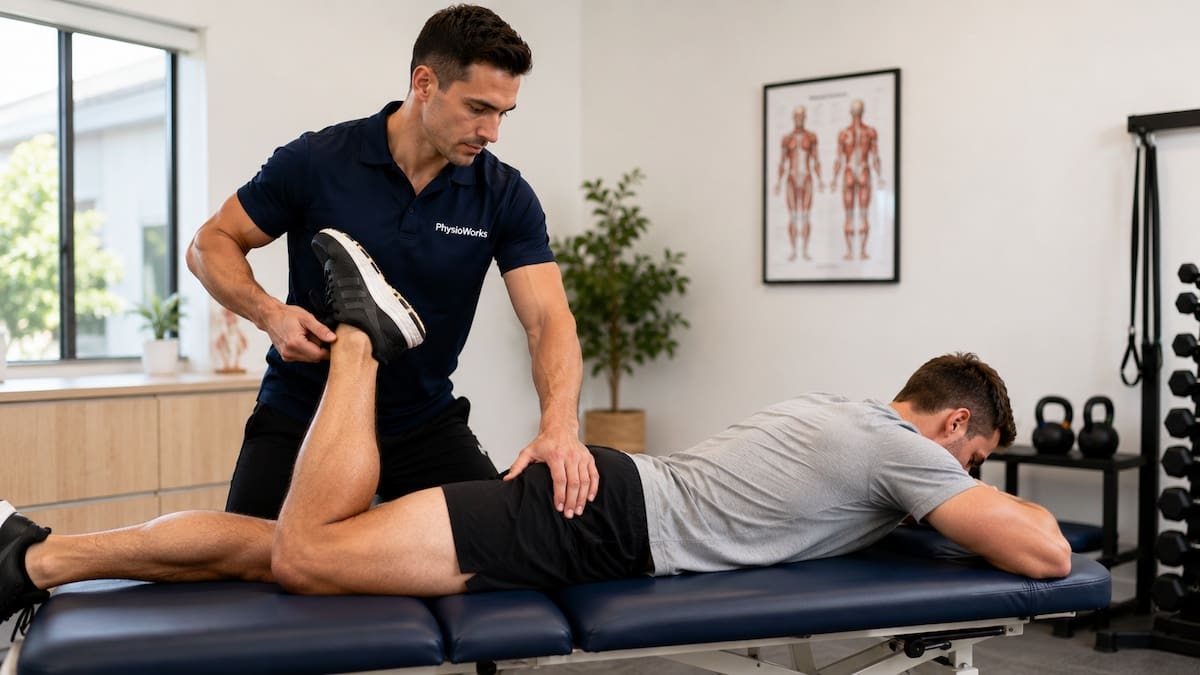
Assessing hamstring strength and irritability after injury.
Hamstring strain is a tear or overload injury affecting one or more muscles at the back of your thigh. It commonly occurs during sprinting, kicking, rapid acceleration or a sudden stretch.
This guide explains common symptoms, assessment, treatment and return-to-running steps. For broader causes of posterior thigh symptoms, visit the hamstring pain guide.
Hamstring strain quick summary
A hamstring strain may cause:
- sudden pain or pulling at the back of the thigh
- tightness during running, kicking or bending
- pain when the muscle contracts or lengthens
- weakness during acceleration or faster movement
- bruising or swelling after a larger tear
Assessment can help identify the injured area, exclude other causes and guide an appropriate loading plan.
What is a hamstring strain?
A hamstring strain affects one or more muscles at the back of your thigh. The main hamstring muscles are the biceps femoris, semitendinosus and semimembranosus.
These muscles help bend your knee and extend your hip. They also help control your swinging leg during running. An injury can occur when speed, stretch, fatigue or force exceeds the muscle’s current capacity.
How do you know if you have a hamstring strain?
A hamstring strain often causes a sharp pull or sudden pain during sport. Many people stop immediately because sprinting, kicking or changing speed feels weak or unsafe.
A mild injury may initially feel like tightness. A larger tear may cause bruising, swelling, limping or pain during stairs, hills and fast walking.
Hamstring strain or sciatica?
Hamstring strain: symptoms commonly follow a sprinting, kicking or stretching incident. Pain often increases when the hamstring contracts or lengthens.
Sciatica: symptoms may extend below the knee and can include tingling, numbness, pins and needles or pain associated with the lower back.
A clinical assessment can help distinguish muscle injury from sciatica, tendon pain and lower back pain.
Why does a hamstring strain affect running?
Your hamstrings work hard while your leg swings forward during running. They help slow the lower leg before your foot contacts the ground and then contribute to hip extension as you move forwards.
Hamstring load rises during sprinting, acceleration, hills and longer stride lengths. As a result, comfortable walking does not always mean that faster running is ready to resume.

Guided movement assessment helps compare hamstring and referred symptoms.
What causes a hamstring strain?
A hamstring strain usually occurs when muscle load exceeds tissue capacity. This may happen during one high-force movement or after a rapid increase in training.
Common contributing factors include:
- sudden increases in sprinting volume or intensity
- limited recovery between training sessions
- fatigue late in training or competition
- reduced hamstring strength or capacity, particularly during high-speed lengthening tasks
- limited preparation for faster running
- previous hamstring injury
- running demands that overload the posterior thigh
No single factor predicts every injury. Hamstring strains often result from a combination of training exposure, tissue capacity, fatigue and previous injury history.
How is a hamstring strain diagnosed?
A physiotherapist assesses the location of your pain, strength, flexibility, movement tolerance and injury mechanism. Your assessment may also include walking, jogging, resisted knee flexion and sport-specific tasks.
This process helps distinguish a muscle strain from proximal hamstring tendinopathy, referred pain or nerve-related symptoms.
Imaging is not required for every strain. However, an ultrasound or MRI may help when a larger tear, tendon injury or delayed recovery is suspected. Healthdirect also provides general advice about sprains and strains.
When should you seek an earlier review?
Arrange an assessment sooner when pain significantly limits walking, work, running or sport. Earlier review is also helpful when the cause of your symptoms remains unclear.
- marked bruising or swelling
- a clear pop or snap at the time of injury
- difficulty walking normally
- high buttock pain near the sitting bone
- pain extending below the knee
- tingling, numbness or pins and needles
- symptoms that repeatedly return during speed work
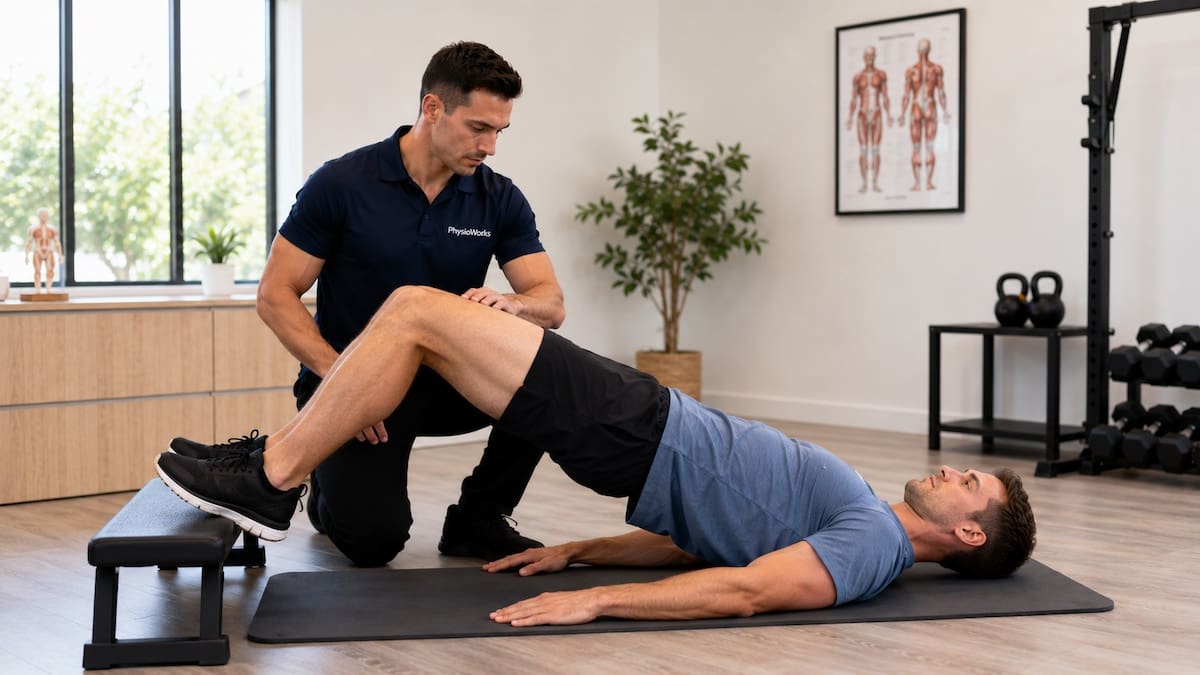
Bridge progressions can help rebuild hamstring strength and control.
Hamstring strain treatment
Hamstring strain treatment aims to protect the injured area while gradually restoring movement, strength and running capacity. Complete rest is rarely the only requirement.
A physiotherapist may recommend:
- short-term adjustment of painful activities
- pain-guided walking and movement
- graduated hamstring strengthening
- gentle stretching exercises when appropriate
- progressive loading through longer muscle positions
- running and sprint retraining
- sport-specific return checkpoints
Recovery phases after a hamstring strain
Recovery depends on the injury location, tear size, strength loss, pain response and your activity demands. Injuries involving the hamstring tendon may take longer to recover.
Timeframes provide only a broad guide. Symptoms, strength, movement quality and function should determine when you progress.
Typical hamstring strain rehabilitation stages
Early stage
Settle pain, protect the injured area and maintain comfortable movement.
Strength and control stage
Rebuild strength, movement control and confidence through a gradually increasing range.
Running and sport stage
Progress jogging, faster running, acceleration, deceleration and sport-specific skills.
General recovery timeframes
Mild strain: some people return to normal activity within approximately one to three weeks. High-speed sport may require longer.
Moderate strain: recovery commonly takes several weeks and may extend beyond four to eight weeks when strength loss is clear.
Severe strain: recovery may take several months, particularly when there is a large tear or tendon involvement.
Important: these timeframes are general guides. A calendar alone should not determine your return to running or sport.
When can you run after a hamstring strain?
Running should return in stages. Most people begin with comfortable walking, then easy jogging, before progressing speed, hills and longer strides.
A useful response check is how the hamstring feels later that day and the following morning. Mild awareness may sometimes occur during rehabilitation, but a meaningful pain increase or loss of function suggests that the load may need adjustment.
Common return-to-running checkpoints
Before increasing running speed, you may aim for:
- brisk walking without a symptom flare
- comfortable, controlled jogging
- improving single-leg hamstring strength
- controlled acceleration and deceleration
- no meaningful symptom increase the next day
- confidence during relevant sport-specific tasks
These are common rehabilitation checkpoints rather than universal clearance tests. Your requirements should match your sport and injury.
Signs you may need more rehabilitation before sprinting
- pulling increases as your stride becomes longer
- you do not trust the leg at speed
- jogging causes increased soreness the next day
- single-leg strength remains noticeably uneven
- acceleration, hills or kicking still reproduce symptoms
How can you reduce the risk of another hamstring strain?
Rehabilitation should prepare your hamstring for the actual demands of running and sport. General strength work alone may not provide enough preparation for high-speed activity.
Your program may include progressive longer-length strengthening, trunk and pelvic control, running drills, gradual sprint exposure and an appropriate warm-up. A physiotherapist may also prescribe eccentric strengthening where suitable.
Should you progress or step back?
Consider progressing when walking, stairs, jogging and strength exercises remain comfortable or settle quickly without a next-day flare.
Hold or reduce the load when pain increases, your stride shortens, function declines or the hamstring feels unsafe during faster movement.
Return-to-sport planning should consider your sport, playing position, season timing, previous injuries and required running speed.
Related hamstring and sports injury guides
- Hamstring Pain
- Proximal Hamstring Tendinopathy
- Muscle Strain
- Running Injuries
- Eccentric Strengthening
- Sciatica
- Sports Injuries
Hamstring strain FAQs
How long does a hamstring strain take to heal?
Recovery depends on injury severity, location, tendon involvement, strength loss and sport demands. A mild strain may settle within several weeks. A larger tear or tendon injury can require several months of staged rehabilitation.
Can I run with a hamstring strain?
Running usually needs a graded return. Start with comfortable walking and easy jogging before adding speed, hills or longer strides. Avoid continuing through sharp pain, increasing weakness or a worsening next-day response.
Do hamstring strains keep coming back?
Hamstring strains can recur, particularly after a previous injury. Later rehabilitation may need to include longer-length strength, faster running, acceleration and sport-specific loading before full return.
Do I need a scan for a hamstring strain?
Not every hamstring strain requires imaging. An ultrasound or MRI may help when bruising is marked, walking is difficult, a tendon injury is suspected or progress is slower than expected.
Should I stretch a hamstring strain early?
Forceful stretching early after injury may increase symptoms. Comfortable movement and guided loading often begin first. Stretching can progress later when it suits the injury stage and does not cause a flare.
What is the fastest safe way to recover?
An appropriate loading plan usually provides the most efficient pathway. Early assessment, progressive strength work and graded running can reduce guesswork while preparing the hamstring for the demands of your activity.
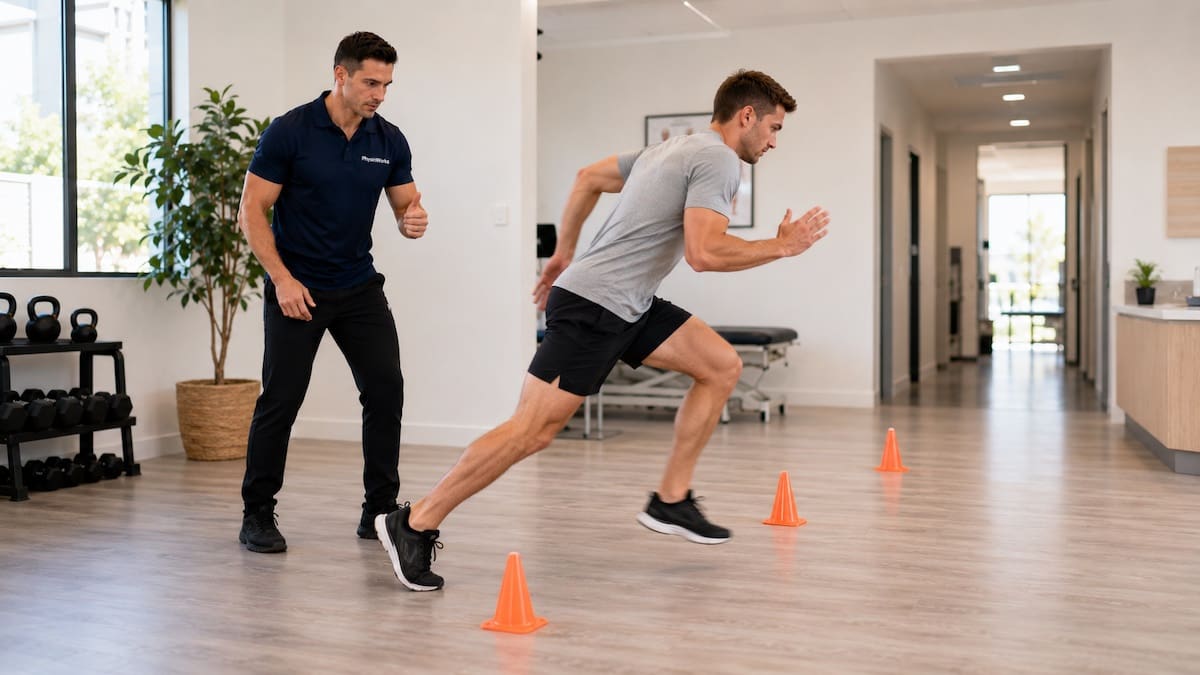
Progressive running drills help rebuild speed and confidence.
What to do next
If hamstring pain limits running, training, work or normal movement, an assessment may help clarify the likely injury and appropriate rehabilitation stage.
A physiotherapist may help you manage load, rebuild strength and plan a graded return to running or sport. Book Online 24/7 when you are ready to choose a clinic.
Choose your clinic and appointment pathway
Select a PhysioWorks clinic to continue to live booking, an appointment request or reception assistance.
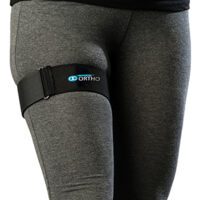
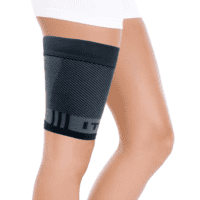
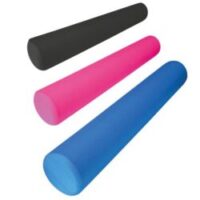
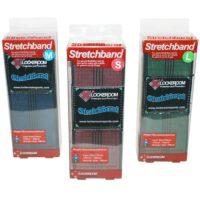
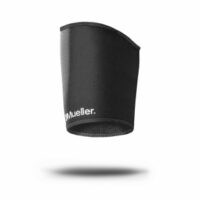
Hamstring Support Products
These hamstring support products are commonly used by our physiotherapists to help reduce strain, improve comfort, and support your recovery at home.
-
-
-
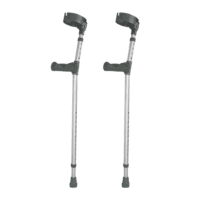 Ankle, Back, Braces & Supports, Calf, Foot, Groin, Heel, Hip, Knee, Thigh, Walking
Forearm Crutches
$64.00Select optionsQuick View -
- Exercise Equipment, Back, Knee, Resistance Band, Shoulder
Lockeroom Stretchband
$29.00Select optionsQuick View -
-
-
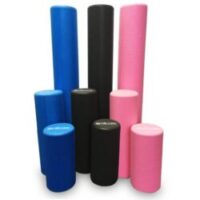
 Exercise Equipment, Gift Ideas, Massage Tools
Smooth n Spiky Massage Balls (2 Pack)
$20.00Select optionsQuick View -
-
-



References
- Vermeulen R, Whiteley R, van der Made AD, van Dyk N, Almusa E, Geertsema C, et al. Early versus delayed lengthening exercises for acute hamstring injury in male athletes: a randomised controlled clinical trial. Br J Sports Med. 2022;56(14):792-800. doi:10.1136/bjsports-2021-104125
- Rudisill SS, Chopp-Hurley JN, Pelaez S, et al. Evidence-based hamstring injury prevention and risk factor management: a systematic review and meta-analysis of randomised controlled trials. Am J Sports Med. 2023;51(7):1927-1939. doi:10.1177/03635465221083039
- Hickey JT, Timmins RG, Maniar N, Williams MD, Opar DA. Criteria for progressing rehabilitation and determining return-to-play clearance following hamstring strain injury: a systematic review. Sports Med. 2017;47(7):1375-1387. doi:10.1007/s40279-016-0667-x
- Hickey JT, Timmins RG, Maniar N, et al. Hamstring strain injury rehabilitation. J Sport Health Sci. 2022;11(3):283-296. doi:10.1016/j.jshs.2022.01.002
