
Heel Spur (Calcaneal Spur)
Heel Spur Pain (Calcaneal Spur)
Physiotherapy guide to heel spurs, plantar heel pain and comfortable walking recovery.


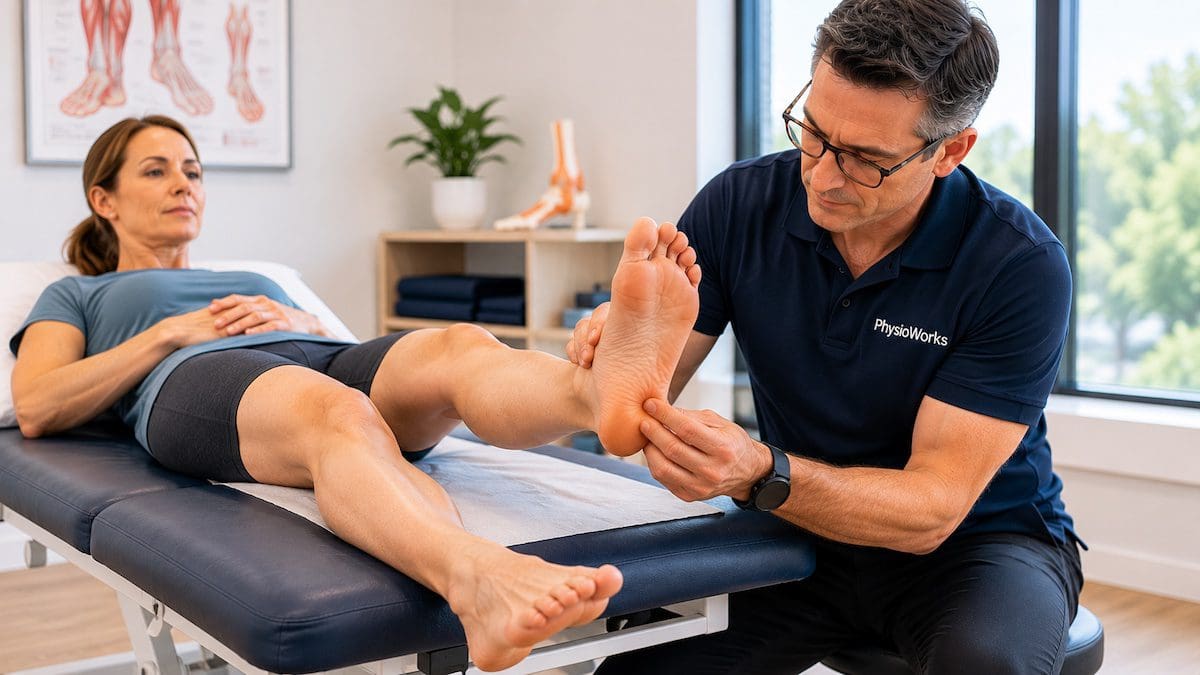
A heel spur is a bony growth that can develop on the heel bone, but the spur itself is often painless. When pain occurs under the heel, symptoms commonly relate more closely to the plantar fascia and nearby soft tissues than to the bony spur seen on an X-ray.
For this reason, treatment usually focuses on the painful tissues, walking and activity loads, calf and foot capacity, footwear and other factors that affect how much stress the heel can tolerate.
Heel spurs commonly occur alongside plantar fasciitis and other forms of plantar heel pain. An assessment can help determine which tissues are most likely contributing to your symptoms.
What Is a Heel Spur?
A heel spur, also called a calcaneal spur, is a bony growth that develops where tissues attach to the heel bone. On an X-ray, it may appear as a small projection extending from the underside of the calcaneus.
Importantly, a heel spur does not automatically mean that the spur is causing your pain. Many people have heel spurs on imaging without any symptoms.
When pain develops under the heel, the more important problem may be irritation of the plantar fascia, its attachment to the heel bone, the heel fat pad or another nearby structure.
Is the Heel Spur Actually Causing the Pain?
Not necessarily. Imaging findings and symptoms do not always match. A large spur may be painless, while significant plantar heel pain can occur without a prominent spur.
This is why assessment should consider more than the X-ray. Your physiotherapist may examine:
- The exact location of your tenderness
- Your first-step and walking pain pattern
- Calf flexibility and ankle movement
- Foot and calf strength
- Walking mechanics
- Footwear
- Recent changes in work, walking, running or sport loads
The clinical findings help determine whether your symptoms fit plantar fascia-related heel pain or whether another diagnosis needs consideration.
Heel Spur vs Plantar Fasciitis
Heel spur
A bony change seen on imaging. It may be present without pain.
Plantar fasciitis
A common form of plantar heel pain involving the plantar fascia and its heel attachment.
Treatment focus
Management usually targets painful tissues, load tolerance and contributing physical factors rather than attempting to remove the spur.
Heel spurs and plantar fasciitis frequently occur together. However, they are not the same diagnosis. Read our full guide to plantar fasciitis if your symptoms follow the typical plantar fascia pain pattern.
What Does Heel Spur-Related Pain Feel Like?
When a heel spur occurs alongside plantar heel pain, symptoms often develop underneath the heel rather than at the back of it.
- Sharp or stabbing pain under the heel
- Pain with the first few steps in the morning
- Pain when standing after sitting or resting
- Tenderness around the plantar heel
- Discomfort when walking barefoot on hard surfaces
- Pain that settles after warming up but returns after prolonged standing or walking
Typical First-Step Pain
First-step pain is strongly associated with plantar heel pain. Symptoms may be most noticeable after getting out of bed or standing following a period of rest. They often ease temporarily as the foot warms up, then increase again if walking or standing loads become too high.
Children and teenagers with heel pain may instead have Sever’s disease. Age, activity and examination findings help distinguish these conditions.
Why Does Plantar Heel Pain Develop?
Plantar heel pain commonly develops when the tissues under the heel experience more load than they can currently tolerate. The heel spur may develop over time, but symptoms are more closely linked to the irritated tissues and their capacity to manage repeated loading.
Factors that may contribute include:
- A sudden increase in walking, running or standing
- Long periods spent on your feet at work
- Limited ankle dorsiflexion or calf flexibility
- Reduced calf or foot strength
- Changes in footwear or walking surfaces
- Higher overall loading through the heel
- A rapid return to activity after a period of reduced exercise
Other heel conditions can produce similar symptoms. These may include retrocalcaneal bursitis, Achilles tendinopathy, heel fat-pad pain and other causes of foot pain.
How Is Heel Spur Pain Assessed?
Assessment usually starts with your symptom history and a physical examination. Your physiotherapist will consider where your pain occurs, what aggravates it, how long symptoms have been present and which activities have recently changed.
The examination may include:
- Palpation of the heel and plantar fascia
- Ankle and foot movement
- Calf and foot strength
- Walking or functional loading
- Footwear assessment
- Review of training, occupational or daily activity demands
Imaging is not always required early. If symptoms are persistent, unusual or the diagnosis remains unclear, your doctor may arrange an X-ray, ultrasound or MRI.
An X-ray can confirm the presence of a calcaneal spur, but the scan finding must be interpreted alongside your symptoms and examination. Healthdirect also provides general consumer information about heel pain.
How Is Heel Spur Pain Treated?
Treatment should address the painful tissues and the factors affecting heel load. Most people do not need surgery.
Education and Load Management
Load management means temporarily reducing the activities that repeatedly aggravate your heel while maintaining as much comfortable movement as practical.
Complete rest is rarely the long-term answer. Instead, the aim is to find a tolerable activity level and gradually rebuild walking, work, exercise and sport capacity.
Plantar Fascia and Calf Stretching
Plantar fascia-specific stretching and calf stretching may help reduce pain and improve movement, particularly when first-step pain is prominent.
Progressive Strengthening
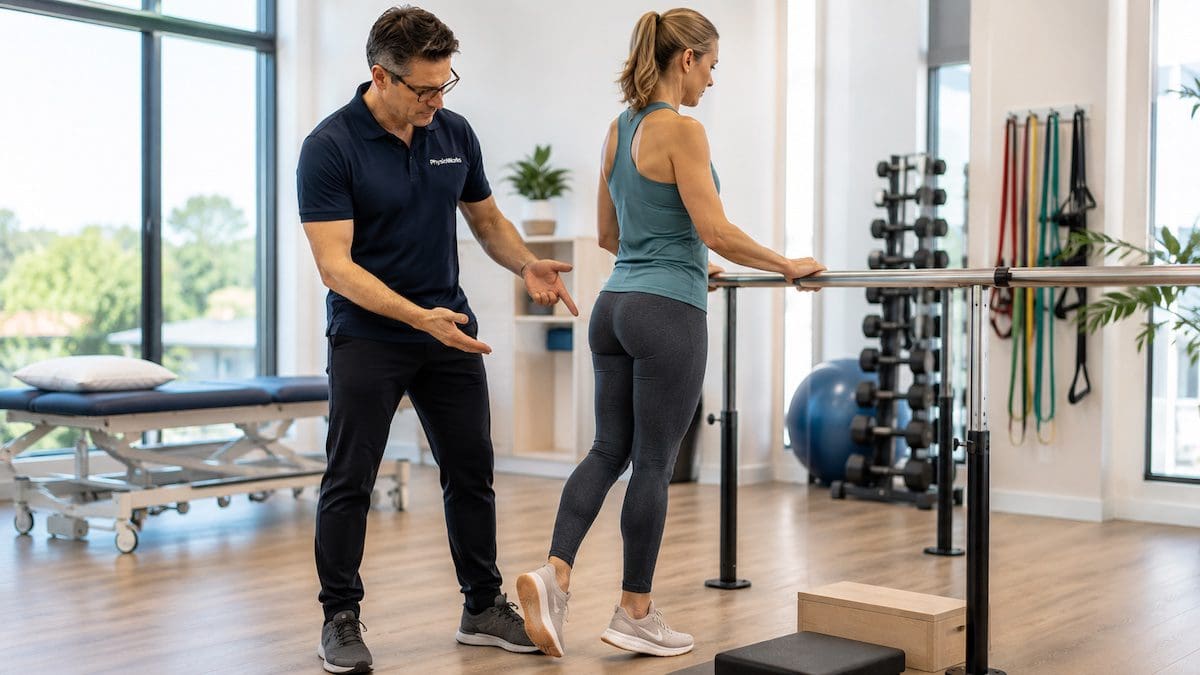
Strengthening helps improve the ability of your calf, foot and ankle to tolerate repeated loading. Exercise may include calf raises and progressive foot-control work such as active foot posture correction exercises.
Taping
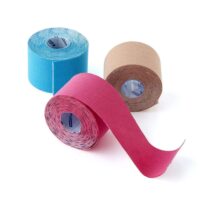
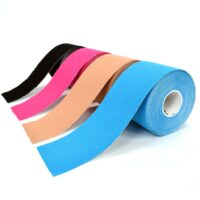
Foot taping may provide short-term pain relief and can sometimes help you remain active while rehabilitation progresses.
Footwear, Heel Cups and Orthoses
Footwear should provide enough comfort and support for your current activity. Some people also benefit from a temporary heel cup or orthotic support.
Orthoses are generally used as one part of a broader treatment program rather than as the only treatment for plantar heel pain.
Night Splints
A night splint may be considered when first-step morning pain remains prominent despite other management. Suitability depends on your symptoms and tolerance.
Hands-On Treatment
Joint mobilisation or soft-tissue treatment may be used when it helps improve movement or short-term comfort. Passive treatment should support, rather than replace, progressive rehabilitation.
Dry Needling
Dry needling of relevant calf or foot muscles may be considered in selected cases. It does not remove a heel spur and should be used only when it fits the clinical assessment and broader rehabilitation plan.
Shockwave Therapy
Shockwave therapy may be considered for persistent plantar heel pain that has not responded sufficiently to an appropriate rehabilitation program.
Injections and Surgery
Medical treatment may occasionally be considered when symptoms remain persistent. Your doctor can discuss whether an injection or another medical option is appropriate.
Surgery is uncommon and is generally reserved for carefully selected cases that remain significantly symptomatic despite prolonged conservative management.
How Long Does Heel Spur Pain Take to Settle?
Recovery varies considerably. Mild, recent plantar heel pain may improve over several weeks, while symptoms that have been present for months can take considerably longer.
The expected timeframe depends on factors such as symptom duration, daily walking and work demands, tissue irritability and how consistently loading and rehabilitation can be progressed.
Improvement usually matters more than an exact deadline. Useful signs include less first-step pain, increasing walking tolerance and better capacity for work, exercise or sport.
Why Can Heel Pain Keep Coming Back?
Heel pain may recur when the underlying loading problem has not changed enough or when activity increases faster than the tissues can tolerate.
Common triggers include:
- Rapid increases in walking or running
- Returning to prolonged standing too quickly
- Stopping rehabilitation as soon as pain settles
- Reduced calf or foot capacity
- Changes in footwear
- Repeated boom-and-bust activity patterns
Can You Reduce the Risk of Another Flare-Up?
No strategy can guarantee that heel pain will never return. However, maintaining foot and calf capacity and increasing activity gradually can reduce unnecessary load spikes.
- Continue useful calf and foot strengthening
- Increase walking and running progressively
- Use footwear that suits your usual activity
- Respond early to a sustained increase in symptoms
- Adjust work or training loads when necessary
When Should You Arrange an Assessment?
Consider an assessment if your heel pain is not settling, keeps recurring or starts limiting normal walking, work or exercise.
- Pain persists despite reducing aggravating activity
- First-step pain remains significant
- You are limping or reducing normal activity
- You cannot progress walking, work or sport comfortably
- You are unsure whether symptoms fit plantar fasciitis, a heel spur or another heel condition
What to Do Next
If your heel pain is not settling, avoid relying on the X-ray finding alone. A heel spur may coexist with plantar fascia or other soft-tissue irritation, and treatment should address the factors that are actually driving your symptoms.
A physiotherapy assessment can help identify the likely pain source and guide your progression back to walking, work, exercise and sport.
Choose your clinic and appointment pathway
Select a PhysioWorks clinic to continue to live booking, an appointment request or reception assistance.
Heel Spur FAQs
Are heel spurs always painful?
No. Many people have a heel spur on an X-ray without symptoms. When pain occurs, the plantar fascia and other nearby heel tissues may be more important than the spur itself.
Do heel spurs go away?
The bony spur may remain visible on imaging even after symptoms settle. Treatment therefore aims to reduce pain and improve function rather than remove the spur.
Can I keep walking with a heel spur?
Often yes. However, you may need to reduce walking volume temporarily if each walk significantly aggravates symptoms. The aim is usually to keep moving at a tolerable level and gradually rebuild capacity.
Will I need surgery for a heel spur?
Usually not. Most plantar heel pain is treated with conservative measures such as education, load management, exercise, footwear modification and selected support.
What is the best treatment for heel spur pain?
There is no single treatment that suits everyone. Management commonly combines education, appropriate load modification, plantar fascia and calf stretching, progressive strengthening and footwear advice. Taping, orthoses or other adjuncts may be added when appropriate.
Is a heel spur the same as plantar fasciitis?
No. A heel spur is a bony change seen on imaging. Plantar fasciitis is a common form of plantar heel pain involving the plantar fascia. The two can occur together.
What shoes are best for heel spur pain?
Comfortable shoes with suitable cushioning and support can help some people. The best choice depends on your foot, activity and work demands rather than one universal shoe type.
Achilles & Heel Products
These Achilles and heel products are commonly used by our physiotherapists to improve strength, comfort, movement, and home exercise programs.
- Liniments & Gels, Massage Liniments, Pain Management
Fisiocrem
$16.95 – $39.95Select optionsQuick View -
-
-
-
-
 Braces & Supports, Foot, Heel
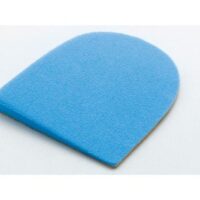
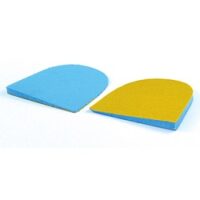
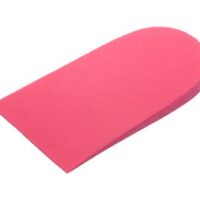
Formthotics Rearfoot Wedge (Valgus Varus)
$6.95Select optionsQuick View -


-
-
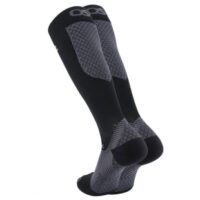 Ankle, Braces & Supports, Calf, Foot
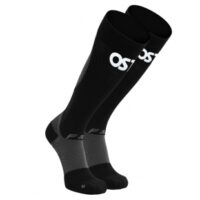
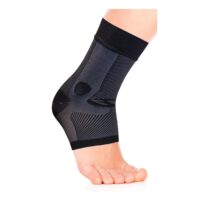
Orthosleeve Compression Bracing Socks
$49.00Select optionsQuick View -
-

-
-
-
-
 Ankle, Braces & Supports, Clearance Sale
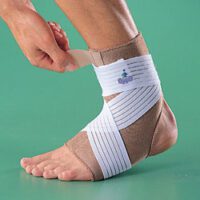
Ankle Support with Strap – OPPO 1003
$42.00Select optionsQuick View




References
- Koc TA Jr, Bise CG, McDonough CM, et al. Heel Pain – Plantar Fasciitis: Revision 2023. J Orthop Sports Phys Ther. 2023;53(12):CPG1-CPG39. doi:10.2519/jospt.2023.0303
- Morrissey D, Cotchett M, Said JH, et al. Management of plantar heel pain: a best practice guide informed by a systematic review, expert clinical reasoning and patient values. Br J Sports Med. 2021;55(19):1106-1118. doi:10.1136/bjsports-2019-101970
- Drake C, Malliaras P, McSorley E, et al. Medical imaging for plantar heel pain: a systematic review and meta-analysis. J Foot Ankle Res. 2022;15(1):10. doi:10.1186/s13047-022-00507-2
Follow PhysioWorks
Follow PhysioWorks for practical information about heel pain, plantar fasciitis, foot rehabilitation and staying active.


