
Osgood-Schlatter Disease
Osgood-Schlatter Disease
Osgood-Schlatter disease is a common cause of pain over the bony bump below the kneecap in active children and adolescents.


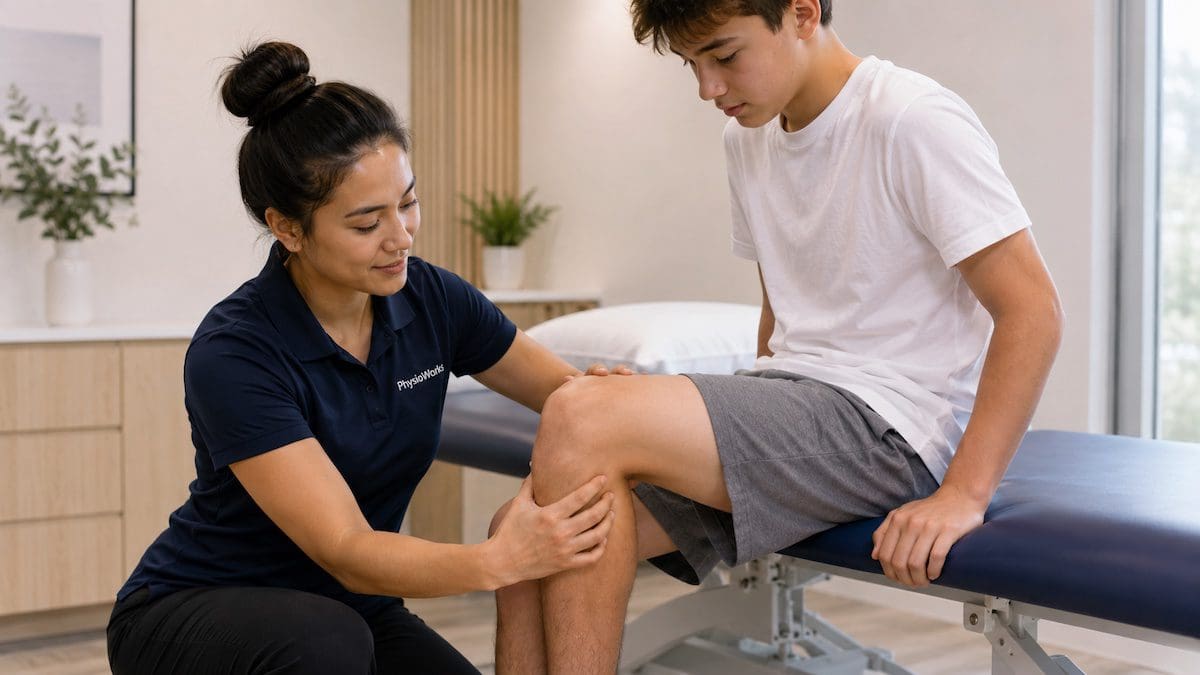
A physiotherapy assessment can help confirm whether pain below the kneecap fits Osgood-Schlatter disease.
Typical location
Pain and tenderness over the bony bump just below the kneecap.
Common triggers
Running, jumping, kicking, stairs, squats and kneeling.
Main approach
Adjust painful loads, build strength and return to sport in stages.
What Is Osgood-Schlatter Disease?
Osgood-Schlatter disease is irritation of the growth area at the tibial tubercle. This is the bony bump at the front of the shin, just below the kneecap. The patellar tendon attaches the kneecap to this area.
During a period of rapid growth, the tibial tubercle may become more sensitive to repeated sport loads. Symptoms often develop gradually rather than after one clear injury.
The condition is sometimes described medically as tibial tubercle apophysitis. It is a common type of overuse injury in young athletes.
What Are the Symptoms of Osgood-Schlatter Disease?
Pain usually centres on the tibial tubercle rather than inside the knee joint. One or both knees may be affected.
- Pain or tenderness over the bump below the kneecap.
- Pain during or after running, jumping or kicking.
- Discomfort with squats, stairs or kneeling.
- Local swelling or a more prominent tibial tubercle.
- Symptoms that increase when training or competition loads rise.
- Reduced confidence with sprinting, landing or changing direction.
Symptoms often ease when the young person reduces the aggravating activity. However, the area may remain tender between training sessions or flare during another growth or competition period.
Other causes of pain around the front of an adolescent knee include Sinding-Larsen-Johansson syndrome, patellar tendinopathy and patellofemoral pain.
Why Does Osgood-Schlatter Disease Develop?
The tibial tubercle is still developing during adolescence. Repeated loading from the quadriceps muscles and patellar tendon can irritate this temporarily sensitive growth area.
Symptoms may appear when sport demands rise faster than the knee can adapt. Contributing factors may include:
- a recent growth spurt;
- more training, matches or school sport;
- repeated sprinting, jumping, landing or kicking;
- limited recovery between sports sessions;
- a sudden return after a break; and
- reduced strength or control during demanding tasks.
No single muscle, foot posture or movement pattern causes every case. Growth, activity exposure, recovery and individual capacity all matter.
Who Is Most Likely to Develop It?
Osgood-Schlatter disease most often affects active children and adolescents during periods of rapid growth, commonly around 10 to 15 years of age. The timing varies with skeletal maturity and individual development.
It often occurs in sports that involve frequent running, jumping, kicking or rapid changes of direction. Examples include football, AFL, netball, basketball, volleyball, athletics, gymnastics and dance.
Can Your Child Continue Playing Sport?
Complete rest is not always required. Instead, the sport plan should respond to symptoms and movement quality.
Reduce running, jumping, kicking or competition load when your child:
- starts limping or changing how they move;
- develops sharp or increasing pain;
- has symptoms that remain worse the next morning;
- loses confidence when landing or changing direction; or
- cannot complete normal training with reasonable control.
A short period of lower-impact activity may help maintain fitness. Options may include cycling, swimming or modified skills that do not aggravate the knee.
How Is Osgood-Schlatter Disease Diagnosed?
A physiotherapist or doctor can often recognise Osgood-Schlatter disease from the symptom history and a physical examination. The assessment usually includes the exact pain location, recent growth, weekly sport load and response to running, jumping, stairs, squats or kneeling.
The clinician may also assess:
- tenderness over the tibial tubercle;
- knee and hip movement;
- quadriceps, calf and hip strength;
- squat and step-down control;
- running and landing tolerance; and
- sport-specific tasks where appropriate.
Imaging is often unnecessary when the history and examination are typical. An X-ray or other investigation may be considered after significant trauma or when symptoms are severe, unusual or not progressing as expected.
For a general medical overview, see the MedlinePlus guide to Osgood-Schlatter disease.
How Can Physiotherapy Help?
Physiotherapy aims to reduce excessive irritation while helping the young person maintain useful activity and rebuild capacity for sport.
A tailored plan may include:
- reviewing weekly sport, training and recovery loads;
- identifying activities that can continue safely;
- progressive quadriceps, calf and hip strengthening;
- graded squat, step, running and jumping exercises;
- landing and change-of-direction coaching;
- mobility work when a restriction affects function;
- a short trial of taping or a patellar tendon strap; and
- clear progression criteria for training and competition.
A strap, taping or ice may give some people temporary symptom relief. However, these options should support rather than replace load management and progressive exercise.
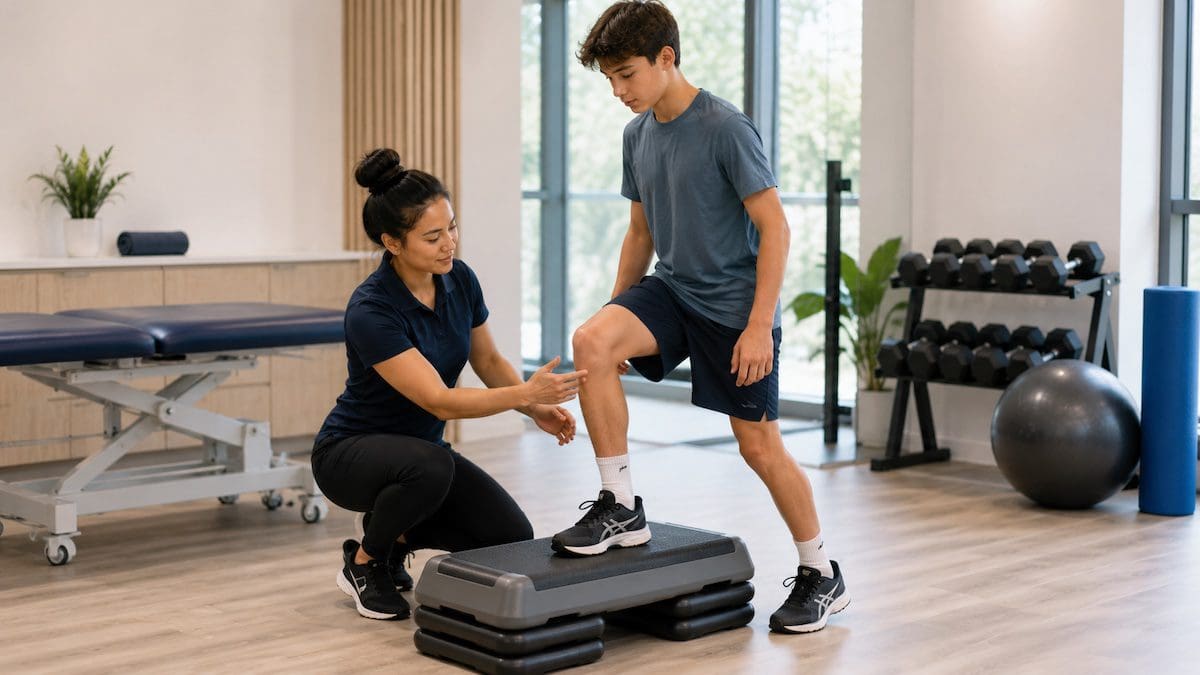
A controlled step-down can help assess and develop lower-limb strength and movement control.
What Exercises May Be Used?
Exercise selection depends on pain, strength, sporting demands and the young person’s current capacity. Exercises should start at a manageable level and progress as symptoms and movement improve.
Common exercise areas include:
- pain-tolerable quadriceps isometric exercises;
- sit-to-stand or supported squat exercises;
- controlled step-ups and step-downs;
- calf strengthening;
- hip and trunk strengthening;
- single-leg control exercises;
- landing and deceleration drills; and
- graded running, hopping and sport skills.
Exercise should not be used to force the knee through steadily worsening pain. Your physiotherapist can adjust the exercise range, resistance, volume or frequency when symptoms flare.
How Does Rehabilitation Progress?
-
Settle the most irritable symptoms
Temporarily reduce the running, jumping, kicking or kneeling tasks that cause the largest flare. Maintain comfortable movement and begin suitable strength exercises.
-
Build strength and daily tolerance
Progress quadriceps, calf, hip and single-leg exercises. Increase squat, stair and school-activity tolerance without creating a sustained symptom flare.
-
Restore running and jumping capacity
Introduce graded jogging, acceleration, hopping, landing and change-of-direction work. Progress volume before adding maximum speed or intensity.
-
Return to training
Reintroduce sport drills and modified team training. Monitor movement quality, symptoms during activity and the response later that day and the next morning.
-
Return to competition
Resume competition when the young athlete can manage the required running, jumping, kicking or landing demands with acceptable symptoms and confidence.
Can Footwear or Orthotics Help?
Comfortable, suitable footwear may help the young athlete manage sport loads. A clinician may also assess foot and lower-limb movement when it appears relevant to the presentation.
Temporary shoe inserts may help selected young people, but they are not required for every case. Footwear or orthotics should not replace strength work, sensible load changes and graded return to sport.
How Long Does Osgood-Schlatter Disease Last?
Recovery commonly takes months rather than days or weeks. Symptoms may improve and then flare again during growth, heavy competition periods or rapid increases in training.
Most young people manage the condition without surgery. However, a firm bump below the knee or some sensitivity with kneeling may remain after sport pain settles.
Persistent symptoms should not simply be dismissed as growing pains. Reassessment can confirm the diagnosis, review sport load and identify whether the rehabilitation plan needs to change.
When Should Your Child Seek Assessment?
Arrange a physiotherapy or medical assessment when:
- the pain keeps returning or progressively worsens;
- sport, school activity or normal walking becomes limited;
- your child limps or avoids using the leg normally;
- the pain location or symptom pattern is uncertain;
- there was a significant fall, collision or forceful landing; or
- the condition is not responding to sensible load changes.
Related Knee and Youth-Sport Information
Frequently Asked Questions
What causes Osgood-Schlatter disease?
It develops when repeated sport loading irritates the growing tibial tubercle below the kneecap. Rapid growth, running, jumping, kicking, training changes and limited recovery may contribute.
Does Osgood-Schlatter disease go away?
Most young people improve as the growth area matures. However, symptoms may fluctuate for months, and a firm bump or kneeling sensitivity may remain.
Can children keep playing sport?
Many children can continue modified activity when symptoms remain manageable, movement stays normal and the knee is not clearly worse later that day or the next morning.
What can help settle the pain?
Reducing the most aggravating running and jumping loads, maintaining comfortable activity and beginning suitable strength exercises may help. Ice, taping or a strap may provide temporary relief for some people.
Is an X-ray always needed?
No. The diagnosis is often based on the history and physical examination. Imaging may be considered after significant trauma or when the symptoms are severe, unusual or not progressing as expected.
Does Osgood-Schlatter disease need surgery?
Surgery is rarely required. Most cases are managed with education, activity changes, progressive exercise and a gradual return to sport.
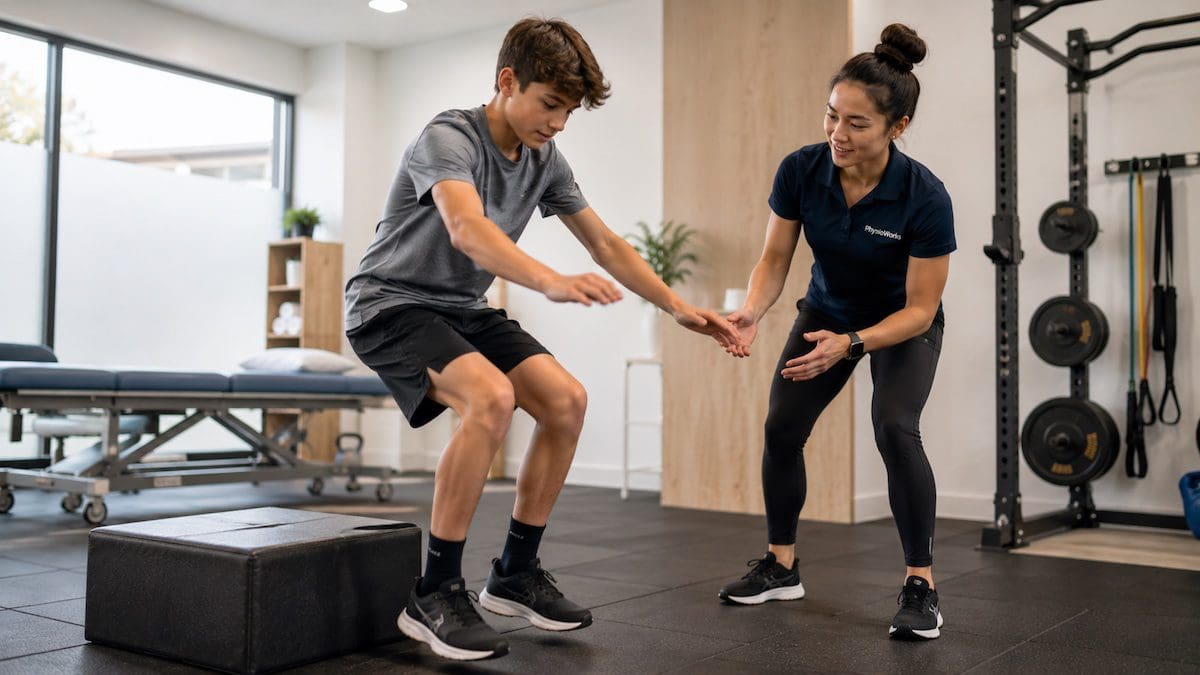
Running, landing and sport drills should return gradually as strength, symptoms and confidence improve.
What Should You Do Next?
Start by reducing the activities that cause the clearest flare while keeping your child comfortably active. Avoid repeatedly testing the knee with painful sprinting, jumping or kneeling.
A physiotherapist can assess the pain location, check whether the presentation is typical and build a staged plan for strength, running, jumping and return to sport.
Choose your clinic and appointment pathway
Select a PhysioWorks clinic to continue to live booking, an appointment request or reception assistance.
Knee Support Products
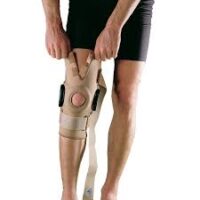
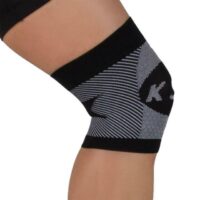
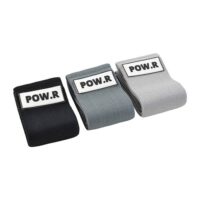
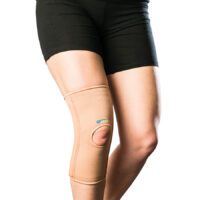
These knee support products are commonly used by our physiotherapists to help reduce strain, improve stability, and support your recovery at home.
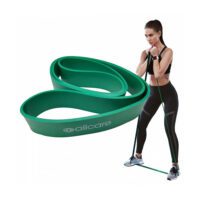
- Exercise Equipment, Resistance Band
POW.R Wide Fabric Loop Resistance Band
$14.95 – $49.95Select optionsQuick View -
 Exercise Equipment, Resistance Band
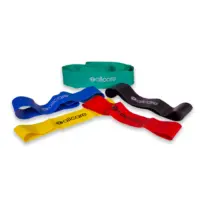
AllCare Powerloop Bands
$22.00 – $65.00Select optionsQuick View -
-
 Exercise Equipment, Knee, Resistance Band
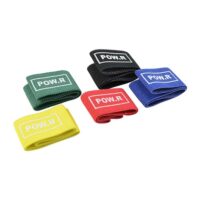
POW.R Fabric Mini Loop Bands
$12.00 – $55.00Select optionsQuick View -
- Liniments & Gels, Massage Liniments, Pain Management
Fisiocrem
$16.95 – $39.95Select optionsQuick View - EMS Machines, Pain Management, TENS Machine, TENS Machine & EMS
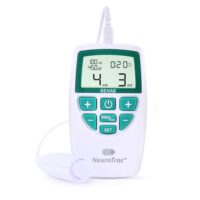
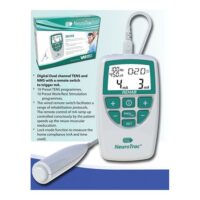
NeuroTrac Rehab (TENS Machine + EMS)
$299.95Add to cartQuick View -

 Calf, Elbow, Ice & Heat, Knee, Pain Management
Victor Elastic Cold Sleeve
$44.00 – $60.00Select optionsQuick View -
-


-

 Braces & Supports, Ice & Heat, Knee, Pain Management
Victor Pro Ice Bag Wrap
$58.00Add to cartQuick View -
-
-
-


References
-
Neuhaus C, Appenzeller-Herzog C, Faude O. A systematic review on conservative treatment options for Osgood-Schlatter disease. Physical Therapy in Sport. 2021;49:178–187. doi:10.1016/j.ptsp.2021.03.002.
-
Rathleff MS, Winiarski L, Krommes K, et al. Activity modification and knee strengthening for Osgood-Schlatter disease: a prospective cohort study. Orthopaedic Journal of Sports Medicine. 2020;8(4):2325967120911106. doi:10.1177/2325967120911106.
-
van Leeuwen GJ, de Schepper EIT, Rathleff MS, Bindels PJE, Bierma-Zeinstra SMA, van Middelkoop M. Incidence and management of Osgood-Schlatter disease in general practice. British Journal of General Practice. 2022;72(717):e331–e337. doi:10.3399/BJGP.2021.0386.
-
Corbi F, Matas S, Álvarez-Herms J, et al. Osgood-Schlatter disease: appearance, diagnosis and treatment: a narrative review. Healthcare. 2022;10(6):1011. doi:10.3390/healthcare10061011.
-
Guldhammer C, Rathleff MS, Jensen HP, Holden S. Long-term prognosis and impact of Osgood-Schlatter disease four years after diagnosis. Orthopaedic Journal of Sports Medicine. 2019;7(10):2325967119878136. doi:10.1177/2325967119878136.
-
Chandra R, Malik S, Ganti L, Minkes RK. Diagnosis and management of Osgood Schlatter disease. Orthopedic Reviews. 2024;16:123688. doi:10.52965/001c.123688.
