
Overuse Injuries


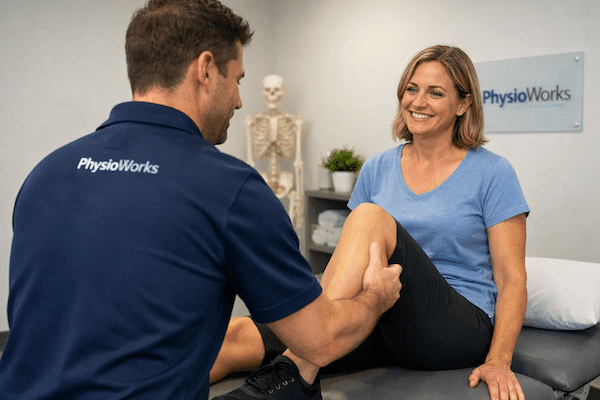
Physiotherapy assessment can help identify load-related pain patterns.
Overuse injuries usually build up gradually. They often start as a mild ache, morning stiffness, or tight feeling after training, work, sport, or repeated tasks. Unlike a sudden injury such as a sprained ankle, an overuse injury tends to creep in and may linger if you keep pushing through early warning signs.
Overuse injuries happen when repeated load exceeds the body’s current recovery capacity. This page explains common signs, causes, treatment options, and when a pain assessment or physiotherapy plan may help. A physiotherapist looks at load, technique, movement control, strength, recovery, and the tissue involved.
Quick Guide: Is This an Overuse Injury?
- Typical pattern: pain builds over days, weeks, or months.
- Early sign: stiffness or soreness that eases as you warm up.
- Warning sign: pain returns after activity or lingers the next day.
- Usual driver: repeated load exceeds current recovery capacity.
- Best early step: adjust load before pain becomes constant.
What Is an Overuse Injury?
An overuse injury occurs when body tissue faces repeated stress without enough recovery time. The tissue may be a tendon, muscle, bone, bursa, nerve, or joint-related structure.
Common examples include repetitive strain injury (RSI), tendinopathy, patellofemoral pain syndrome (PFPS), tennis elbow, shin splints, and stress fractures.
Why Do Overuse Injuries Develop?
Overuse injuries develop when load rises faster than the body can adapt. Exercise, sport and daily activity place stress on body tissues. With the right mix of challenge and recovery, tissues usually get stronger. Without enough recovery, small irritation can build.
In simple terms, the sore area can no longer cope with the same amount of running, lifting, gripping, jumping, walking, or repeated work. That is why exercise load management matters.
Load includes weight, distance, speed, frequency, impact, hills, work volume, rest days and recovery. Changing one main load factor at a time often helps people stay active while symptoms settle.
For sport-specific advice, Sports Medicine Australia provides a useful overview of overuse injuries in athletes.
Examples of Overuse Injuries
Overuse injuries can affect many body regions. They often appear after a change in training, work demands, footwear, equipment, recovery, or technique.
- Tendons: such as tendinopathy
- Muscle-tendon units: such as tennis elbow
- Shin tissues: such as shin splints
- Bone: including stress fractures
- Bursa: such as bursitis
- Nerve tissue: where neurodynamics may be relevant
- Pressure-related symptoms: such as compartment syndrome
Overuse vs Sudden Injury
| Overuse injury | Builds gradually with repeated load and too little recovery. |
| Sudden injury | Usually follows one clear event, such as a twist, fall, tackle, or sharp overload. |
| Typical first action | Modify load, check symptoms, and identify the likely cause before returning to full activity. |
Signs of Overuse or Inflammation
Overuse symptoms often start as stiffness, ache, or tenderness linked to repeated activity. The pattern can vary by tissue and body region, but several warning signs are common.
- Localised swelling, thickening, or tenderness
- Warmth or sensitivity to touch
- Reduced strength, control, or load tolerance
- Morning stiffness that eases with movement
- Pain that warms up, then returns after activity
- Pain that lingers the next day after training or work
Early symptoms may settle during warm-up. Next, as overload continues, pain may last through activity and linger afterwards. Later, pain may persist at rest. That usually means the tissue needs a clearer recovery and reload plan.
The Four Stages of an Overuse Injury
Overuse injuries often progress from mild activity-related discomfort to pain that affects rest and daily use. These stages can help you decide whether to modify load early or book an assessment.
- Stage 1: discomfort settles with warm-up.
- Stage 2: pain eases during warm-up but returns after activity.
- Stage 3: pain worsens during activity.
- Stage 4: pain persists at rest and during activity.
Early identification often allows modified activity while you address the cause. Later stages usually need a break from aggravating load, then a graded return before full training, sport, or work.
Should You Keep Exercising?
You may be able to keep moving if pain stays mild, settles quickly, and does not worsen after activity.
Scale back and get assessed if pain is sharp, worsening, changes your technique, lasts into the next day, causes swelling, or appears at rest.
What Causes Overuse Injuries?
Overuse injuries usually come from a mismatch between load and recovery. The sore spot matters, but so do training, work, sport, strength, technique, recovery and equipment.
- Sudden increase in training volume or intensity
- Repeated work tasks without enough recovery breaks
- Lack of strength, endurance, or capacity for the task
- Poor movement control or technique
- Mobility restrictions or muscle imbalance
- Biomechanical factors such as foot, hip, or knee control
- Inadequate recovery, sleep, nutrition, or planned easier weeks
- Equipment issues, including worn footwear or poor fit
How Are Overuse Injuries Assessed?
Overuse injuries are assessed by matching your symptoms to your activity load, movement, strength and recovery pattern. A physiotherapist usually starts with your history, recent load changes, and the tasks that reproduce symptoms.
Your physiotherapist may then assess movement, strength, balance, control, tissue sensitivity and functional tasks. For example, two people with shin pain may need different plans. One may need training-load changes. Another may need calf strength, footwear review, gait changes, or referral for imaging if a stress injury is suspected.
How to Prevent an Overuse Injury
Overuse injury prevention starts with sensible loading, good recovery and enough strength for the task. This is especially important for sports injuries, running loads, jumping sports, gym programs and repetitive work.
- Progress load gradually and plan easier weeks
- Warm up and cool down consistently
- Use suitable footwear and equipment
- Build capacity with strength and conditioning
- Improve technique, pacing and movement control
- Monitor next-day symptoms after harder sessions
- Act early if stiffness or pain keeps returning
For broader prevention planning, see our guide to injury prevention programs.
Common Treatments for Overuse Injuries
Treatment depends on the tissue involved, the stage of irritation, and your activity goals. Most plans do not rely on rest alone. They usually combine symptom control with a staged return to loading.
- Load modification: reduce the main trigger without stopping all activity.
- Strengthening: rebuild capacity around the sore area.
- Movement retraining: improve control, technique, or pacing.
- Recovery planning: adjust sleep, rest days, nutrition and harder sessions.
- Manual therapy: help pain and movement where clinically useful.
- Return-to-sport or work planning: rebuild speed, impact, lifting, gripping, or repetition in stages.
Load Management: Simple Traffic Light Guide
| Green | Mild discomfort only. Pain settles quickly and feels no worse the next day. |
| Amber | Pain increases during activity or returns later. Reduce volume, speed, weight, hills, or repetition. |
| Red | Pain is sharp, worsening, changes your movement, causes swelling, or appears at rest. Stop the trigger and get assessed. |
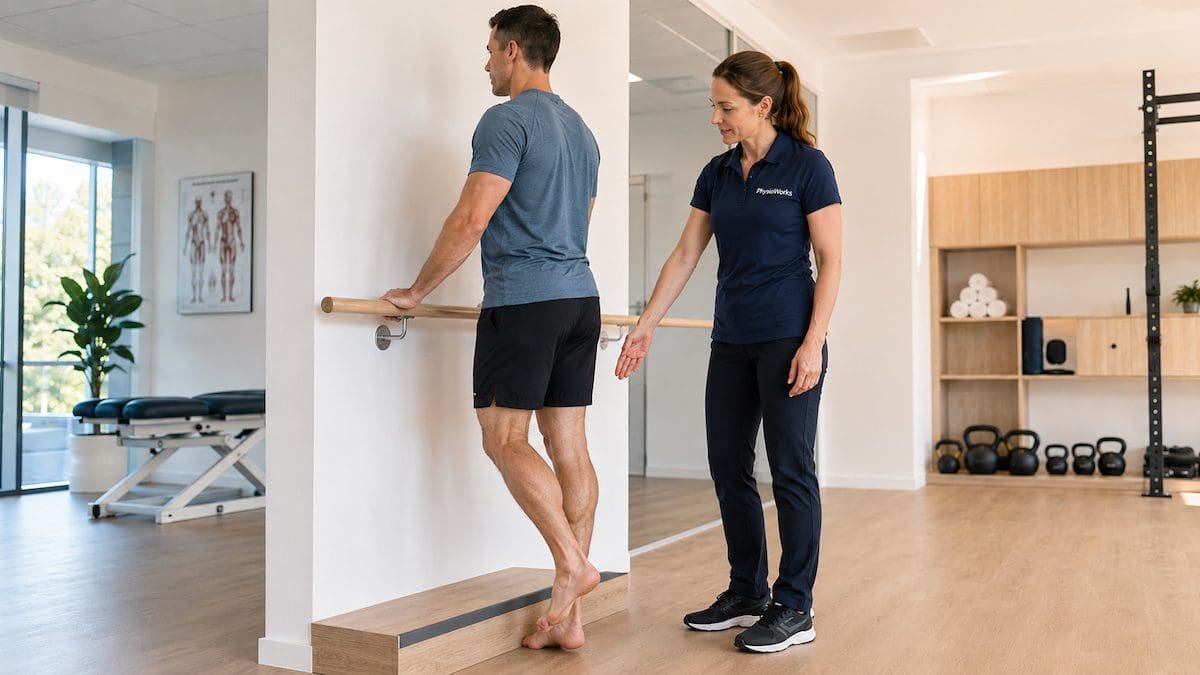
Graded loading helps rebuild tissue capacity.
People Also Ask: Should You Stop Exercising With an Overuse Injury?
Not always. Complete rest can reduce pain short term, but it may not rebuild the tissue’s capacity. Many overuse injuries respond better to modified activity and graded loading.
The key is your symptom response. If pain stays low, settles quickly and does not worsen the next day, some activity may be reasonable. If pain changes your technique, becomes sharper, or lingers into the next day, the load is probably too high.
When Should You Book an Assessment?
Book a physiotherapy assessment if symptoms keep returning despite rest, or if you are unsure which activity is safe to continue.
- Pain lasts beyond warm-up
- Pain lingers into the next day
- Swelling, warmth, or thickening is present
- You are limping or changing technique
- Pain is focal, sharp, or worsening with impact
- Your training, work, or sport has stalled
Related PhysioWorks Guides
These pages can help you compare common overuse patterns and choose the right next step.
- Tendinopathy – tendon pain, stiffness and reduced load tolerance.
- Exercise load management – how to adjust activity safely.
- Shin splints – common running and impact-related shin pain.
- Stress fractures – when bone overload may need closer review.
- Patellofemoral pain syndrome – load-related kneecap pain.
- Musculoskeletal physiotherapy – assessment and treatment for movement-related pain.
Frequently Asked Questions
What is an overuse injury?
An overuse injury develops gradually when repeated physical stress exceeds the body’s ability to recover. It may affect tendons, muscles, bone, bursa, nerves, or joints. Early signs often include stiffness, ache, tenderness, or pain that returns after activity.
What are common examples of overuse injuries?
Common examples include tendinopathy, shin splints, tennis elbow, patellofemoral pain, RSI, bursitis, and stress fractures. These injuries can affect athletes, workers, gym users, runners, and people doing repeated daily tasks.
How long do overuse injuries take to heal?
Recovery time varies. Mild cases may improve over weeks when load is adjusted early. More irritable tendon, bone, joint, or nerve-related problems can take longer, especially if symptoms have been present for months or if rehab starts late.
Should I stop exercising with an overuse injury?
Not always. Some people can keep exercising with lower load if pain stays mild and settles quickly. Stop or scale back if pain is sharp, worsening, changes your movement, causes swelling, or lasts into the next day.
Can overuse injuries come back?
Yes. Symptoms can return if the original load, strength, technique, recovery, or equipment issue remains. A graded plan reduces this risk by building tissue capacity again before you return to full training, sport, or work.
When should I book a physiotherapy assessment?
Book an assessment if pain keeps returning, lasts beyond warm-up, limits training or work, causes swelling, or changes how you move. Early assessment can help clarify the likely tissue involved and guide safer load decisions.
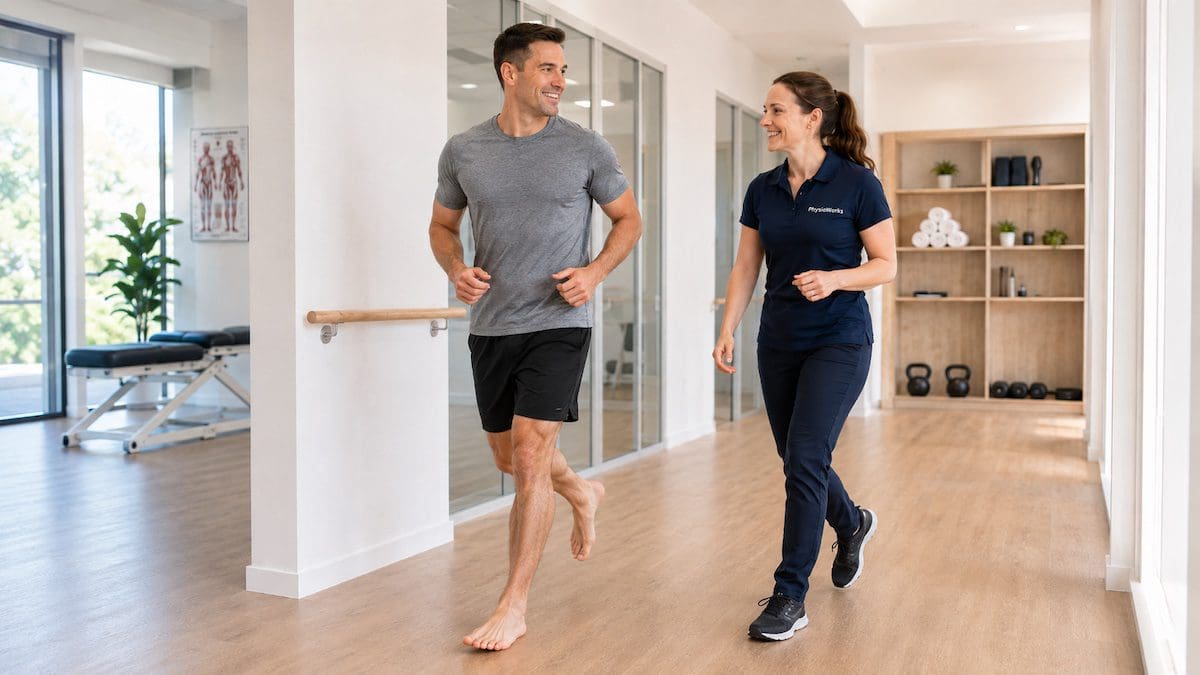
Rehab should prepare you for real activity.
What to Do Next
If pain keeps returning, lasts beyond warm-up, or limits training, book an assessment. Clear diagnosis and load guidance can make your return to activity safer and more predictable.
Your physiotherapist can help you decide what to pause, what to keep doing, and how to rebuild load without repeating the same flare-up cycle.
Choose your clinic and appointment pathway
Select a PhysioWorks clinic to continue to live booking, an appointment request or reception assistance.
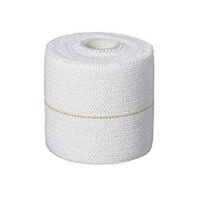
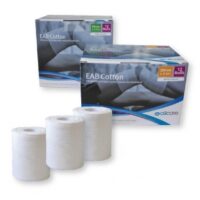
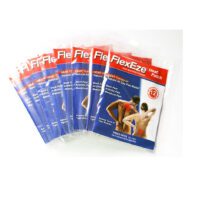
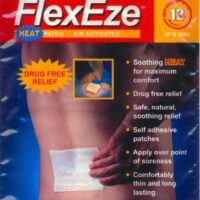
Muscle & Soft Tissue Products
These muscle and soft tissue products are commonly used by our physiotherapists to relax or loosen muscles, improve strength, comfort, flexibility, and home exercise programs.
-
-
-
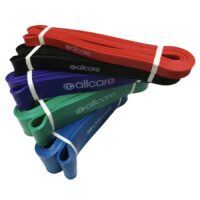
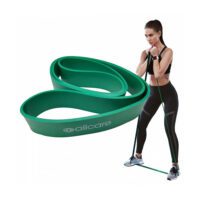 Exercise Equipment, Resistance Band
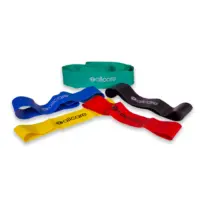
AllCare Powerloop Bands
$22.00 – $65.00Select optionsQuick View - Exercise Equipment, Resistance Band
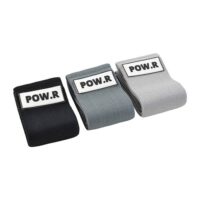
POW.R Wide Fabric Loop Resistance Band
$14.95 – $49.95Select optionsQuick View -
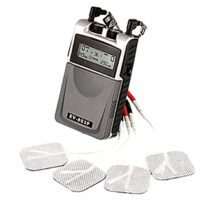
- EMS Machines, Pain Management, TENS Machine, TENS Machine & EMS
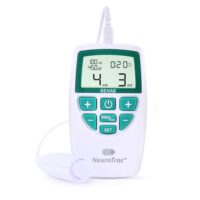
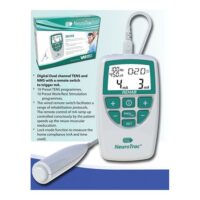
NeuroTrac Rehab (TENS Machine + EMS)
$299.95Add to cartQuick View -
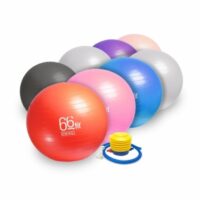
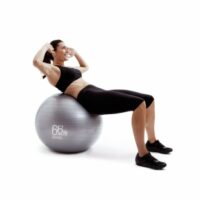 Exercise Balls, Back, Exercise Equipment, Knee, Shoulder
66fit Exercise Balls | Core & Rehab Stability Ball
$32.00 – $57.00Select optionsQuick View -
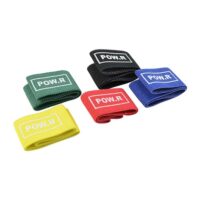 Exercise Equipment, Knee, Resistance Band
POW.R Fabric Mini Loop Bands
$12.00 – $55.00Select optionsQuick View -
- Liniments & Gels, Massage Liniments, Pain Management
Fisiocrem
$16.95 – $39.95Select optionsQuick View -
-
-
-
-






References
- Chimenti RL, Neville C, Houck J, et al. Achilles pain, stiffness, and muscle power deficits: midportion Achilles tendinopathy revision – 2024. J Orthop Sports Phys Ther. 2024;54(12):CPG1-CPG32. doi:10.2519/jospt.2024.0302
- Hoenig T, Ackerman KE, Beck BR, et al. International Delphi consensus on bone stress injuries in athletes. Br J Sports Med. 2025;59(2):78-86.
- Knobloch AC, Johnson CD, Tenforde AS. Bone stress injuries in endurance athletes. Curr Sports Med Rep. 2025.
- Bullock GS, Räisänen AM, Martin C, et al. Prevention strategies for lower extremity injury: a systematic review and meta-analyses for the Female, Woman and Girl Athlete Injury Prevention (FAIR) Consensus. Br J Sports Med. 2025;59(22):1575-1586.
- Viiala J, Čech L, et al. Effect of adherence to exercise-based injury prevention programmes on the risk of sports injuries: a systematic review and meta-analysis of randomised controlled trials. Inj Prev. 2026;32(1):31-39.
