
Patellofemoral Pain Syndrome (PFPS)


Step-down assessment for patellofemoral pain syndrome.
Patellofemoral pain syndrome (PFPS) causes pain around or behind the kneecap, often worse with stairs, squatting, running, lunging, or prolonged sitting. It is one of the most common causes of front-of-knee pain and usually reflects reduced tolerance to kneecap joint load rather than one single structural injury.
Patellofemoral pain syndrome treatment usually focuses on calming pain, improving load tolerance, and restoring confident movement. This page sits within our broader knee pain conditions cluster and can help you compare PFPS with chondromalacia patella, patellar tendinopathy, patella maltracking, or fat pad syndrome.
PFPS often links to a mix of training load, hip control, quadriceps capacity, and foot mechanics. For example, a sudden increase in running, hills, gym volume, or jumping can increase patellofemoral joint stress. Foot posture, such as flat feet (pes planus), may also contribute in some people.
Quick Summary
- PFPS causes pain around or behind the kneecap
- Common triggers include stairs, squats, running, and sitting
- It often relates to load, strength, and movement control
- Most people improve with exercise and smarter load progression
- Early physio can help prevent a stop-start flare-up cycle
Common PFPS signs
- pain around or behind the kneecap
- pain on stairs, especially going down
- pain with squats, lunges, jumping, or running
- aching after sitting for a while (“theatre knee”)
- symptoms that flare with training spikes or deeper knee bend
What is patellofemoral pain syndrome (PFPS)?
Patellofemoral pain syndrome (PFPS) is pain coming from the kneecap joint, usually felt around or behind the patella during bending and loading tasks. It commonly affects runners, gym-goers, adolescents, and active adults, but it can also affect anyone whose knee load rises faster than their joint and muscles can adapt.
Many people also call PFPS runner’s knee. However, not every case is caused by running. Symptoms often build gradually and may flare during stairs, squats, lunges, prolonged sitting, downhill walking, or after a sudden jump in training.
What causes patellofemoral pain syndrome?
Patellofemoral pain syndrome usually develops because the kneecap joint is being asked to handle more load than it currently tolerates. That often happens when training, stairs, hills, or gym volume increase faster than the hip, thigh, and lower leg can control and absorb the load.
Common contributors to PFPS
PFPS rarely has one single cause. Instead, it usually reflects a mix of strength, movement, and training factors. Common contributors include:
- training load spikes from running, jumping, hills, or gym progressions
- reduced hip control, especially glute strength and endurance
- quadriceps overload when the joint is not coping with the volume yet
- foot and ankle mechanics that increase inward knee load
- movement sensitivity from previous knee irritation, including chondromalacia patella or overlap with patella maltracking
Why does patellofemoral pain syndrome hurt on stairs and after sitting?
Patellofemoral pain syndrome often hurts on stairs, squats, and after sitting because these positions increase load through a bent knee. The deeper the knee bend and the longer the time under load, the more likely the irritated kneecap joint is to become painful.
This symptom pattern is why PFPS is often called theatre knee. It can also overlap with conditions such as ITB syndrome, fat pad syndrome, or patella instability or dislocation, so the exact pattern of pain still matters.
The image below is worth keeping because it explains one of the key reasons PFPS becomes sore. As knee flexion increases, patellofemoral joint pressure also rises. That helps explain why deeper bending tasks such as stairs, squats, lunges, and prolonged sitting often provoke symptoms more than straight-leg activities.
Recognising PFPS symptoms
Symptoms often build gradually rather than after one major injury. Many people notice pain:
- around or behind the kneecap
- with stairs or downhill walking
- during squats, lunges, or gym leg work
- with running, especially after a load increase
- after prolonged sitting with the knee bent
Is it PFPS or something else?
- pain behind or around the kneecap often fits PFPS
- pain below the kneecap may point more to patellar tendinopathy
- sharp catching or locking needs assessment
- major swelling or instability may suggest another knee injury
How is patellofemoral pain syndrome diagnosed?
Patellofemoral pain syndrome is usually diagnosed from your symptom history and movement assessment rather than from one scan. A physiotherapist checks how your pain behaves, how your knee tracks in tasks such as squats or step-downs, and whether another front-of-knee condition is a better fit.
Your physio may also assess hip control, quadriceps strength, foot mechanics, training history, footwear, and loading patterns. Imaging is not always needed early, especially when the symptom pattern is typical and there are no major red flags such as true locking, major swelling, or significant instability.
PFPS Load Management Tips
- reduce deep squats, hills, and stairs short-term if symptoms flare
- keep pain mild rather than sharp or escalating
- increase training gradually, not in big jumps
- aim for symptoms to settle within 24 hours
- build strength before adding speed work or hills again
If you need a safe starting point, our knee exercises guide can help, although PFPS rehab usually works best when tailored to your symptoms and goals.
For a broader clinical overview, NCBI Bookshelf provides a useful summary of patellofemoral syndrome assessment and conservative management.

Physiotherapist assessing kneecap pain during a PFPS consultation.
How can physiotherapy help PFPS?
Patellofemoral pain syndrome treatment usually centres on education, load management, and progressive exercise. Most people improve when they gradually restore knee tolerance, improve hip and thigh control, and build back to sport, stairs, and squatting with a plan that matches their current capacity.
Exercise is the cornerstone
Rehabilitation commonly targets the hip, quadriceps, calf-foot chain, and movement control. Recent evidence supports strength-based rehabilitation for patellofemoral pain, with many programs combining hip and knee exercise rather than focusing on the knee alone.[1-3]
Rehab Focus Areas
- hip and glute strength
- quadriceps strength and load tolerance
- single-leg control and step-down quality
- running or sport load progression
- footwear and lower-limb mechanics where relevant
Manual therapy and short-term symptom relief
Manual therapy may help short-term comfort and movement if pain is limiting progress. However, it usually works best as a support for exercise rather than as a stand-alone fix.
Taping, bracing, and supportive options
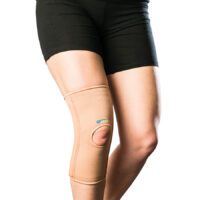
Some people get short-term relief from kneecap taping or a patella tracking brace. These options may help reduce symptoms enough to keep you moving while strength and load tolerance improve.[4]
Footwear and orthoses
If foot control contributes to your symptoms, supportive footwear or an orthotic trial may help. This is especially relevant when PFPS sits alongside flat feet or reduced arch control.
Can you keep running with patellofemoral pain syndrome?
Many people can keep running with patellofemoral pain syndrome if pain stays mild and settles within 24 hours. The safest approach is usually to reduce hills, speed work, and sudden volume spikes first, then rebuild distance and intensity in stages.
Shorter, flatter runs are often a better starting point than intervals or downhill work. If pain keeps climbing during or after a run, lower the volume and rebuild more gradually.
PFPS in adolescents
Adolescents can develop PFPS during growth spurts or rapid increases in sport. If pain sits more at the bony bump below the kneecap, other growth-related causes such as Osgood-Schlatter disease may need to be considered.
Medication
Some people use anti-inflammatory medication for short-term relief. Medication may reduce pain, but it does not correct the underlying loading issue, so it should sit alongside a structured recovery plan rather than replace one.

What usually helps most?
A good PFPS plan usually combines smarter load management, progressive hip and knee strengthening, and a gradual return to stairs, running, or sport. If the pain keeps returning, a physiotherapy assessment can help identify whether the main driver is training error, movement control, patella tracking, foot mechanics, or another front-of-knee condition.
Frequently asked questions about patellofemoral pain syndrome
Is patellofemoral pain syndrome the same as runner’s knee?
Patellofemoral pain syndrome is often called runner’s knee, although not everyone with PFPS is a runner. The term usually refers to pain around or behind the kneecap that worsens with running, stairs, squats, or prolonged sitting.
How long does patellofemoral pain syndrome take to settle?
Many people improve over 6 to 12 weeks when they follow a clear loading and strengthening plan. However, recovery can take longer if symptoms have been present for months, training load stays too high, or the diagnosis is mixed with another condition.
Should you stop squats with PFPS?
You do not always need to stop squats completely, but you often need to reduce squat depth or volume for a short period. Pain that stays mild and settles by the next day is usually more acceptable than sharp pain that keeps escalating.
Do taping and braces fix PFPS?
Taping and braces may reduce symptoms in the short term, but they do not usually fix PFPS on their own. They work best as support tools while you rebuild strength, control, and tolerance for stairs, squats, and running.[4]
Is PFPS more common in teenagers and young adults?
PFPS is common in teenagers and young adults, especially during growth, sport participation, or training changes. It can also affect older active adults, particularly when exercise load rises faster than the knee joint can tolerate.
When should you seek help for patellofemoral pain syndrome?
You should seek help if the pain keeps returning, limits work or sport, or comes with locking, major swelling, true giving way, or symptoms that do not improve with sensible load changes. These features can suggest a different or more significant knee problem.
Related knee pain articles
- Chondromalacia Patella – Learn when kneecap cartilage irritation overlaps with PFPS.
- Patella Maltracking – Discover how patella movement problems can contribute to front-of-knee pain.
- Patellar Tendinopathy – Compare PFPS with jumper’s knee.
- Fat Pad Syndrome – Another common source of pain at the front of the knee.
- Patella Dislocation – Understand kneecap instability and when it matters.
- Knee Exercises – Safe starting exercises for knee strength and control.
When should you seek help for patellofemoral pain syndrome?
You should seek help for patellofemoral pain syndrome if the pain keeps returning, limits training or daily activity, or comes with locking, major swelling, or true giving way. These features may suggest that the knee needs a clearer diagnosis, more structured rehab, or assessment for another front-of-knee condition.
What to do next
If patellofemoral pain syndrome keeps returning or limits stairs, squats, gym training, or running, a structured physiotherapy plan may help. A physiotherapist can confirm the most likely driver of your pain, guide the right starting exercises, and map out a gradual return to activity.
If you are unsure whether your symptoms match patellofemoral pain syndrome, or your knee pain is not improving, a physiotherapy assessment can clarify the diagnosis and guide a structured recovery plan.
Early guidance often shortens recovery and helps you return to stairs, gym, and running with confidence.
Choose your clinic and appointment pathway
Select a PhysioWorks clinic to continue to live booking, an appointment request or reception assistance.
Patella Support Products
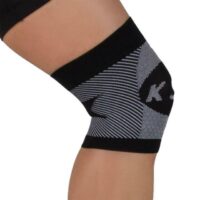
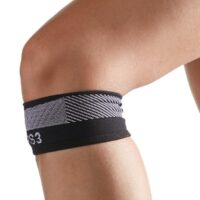
These patella support products are commonly used by our physiotherapists to help reduce strain, improve stability, and support your recovery at home.
-
-
-
-
 Exercise Balls, Back, Exercise Equipment, Knee, Shoulder
66fit Exercise Balls | Core & Rehab Stability Ball
$32.00 – $57.00Select optionsQuick View -
- Exercise Equipment, Resistance Band
POW.R Wide Fabric Loop Resistance Band
$14.95 – $49.95Select optionsQuick View -
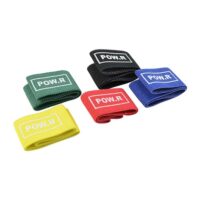 Exercise Equipment, Knee, Resistance Band
POW.R Fabric Mini Loop Bands
$12.00 – $55.00Select optionsQuick View -
-
-
-
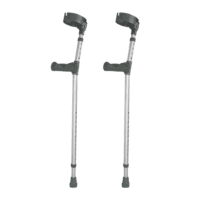 Ankle, Back, Braces & Supports, Calf, Foot, Groin, Heel, Hip, Knee, Thigh, Walking
Forearm Crutches
$64.00Select optionsQuick View -
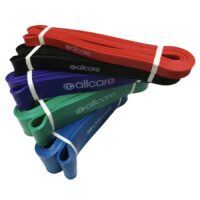
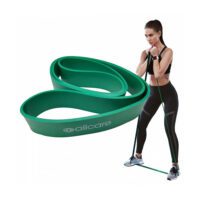 Exercise Equipment, Resistance Band
AllCare Powerloop Bands
$22.00 – $65.00Select optionsQuick View - EMS Machines, Pain Management, TENS Machine, TENS Machine & EMS
NeuroTrac Rehab (TENS Machine + EMS)
$299.95Add to cartQuick View - Liniments & Gels, Massage Liniments, Pain Management
Fisiocrem
$16.95 – $39.95Select optionsQuick View




References
- Morri M, Contri A, Peccerillo V, et al. Conservative treatment of patellofemoral pain: effectiveness of strength exercises compared to other treatments. A systematic review with meta-analysis. BMC Sports Sci Med Rehabil. 2025;17(1):303. doi:10.1186/s13102-025-01297-x
- Neal BS, Lack S, Barton C, et al. Best practice guide for patellofemoral pain based on synthesis of a systematic review, the patient voice and expert clinical reasoning. Br J Sports Med. 2024;58(24):1486-1495. doi:10.1136/bjsports-2024-108110
- Halabi MH, Alturkistani BA, Abuhadi RH, et al. The efficacy of hip and knee muscles strengthening versus knee muscle strengthening alone in managing patellofemoral pain syndrome: a systematic review and meta-analysis. Musculoskeletal Care. 2025;23(1):e70059. doi:10.1002/msc.70059
- Than CA, Adra M, Curtis TJ, et al. Prolonged taping with exercise therapy for patellofemoral pain in adults: a systematic review and single-arm meta-analysis. J Clin Med. 2024;13(23):7476. doi:10.3390/jcm13237476
- Ophey M, Koëter S, van Ooijen L, et al. Dutch multidisciplinary guideline on anterior knee pain: patellofemoral pain and patellar tendinopathy. Knee Surg Sports Traumatol Arthrosc. 2025;33(2):457-469.
