
Rotator Cuff Calcific Tendinopathy


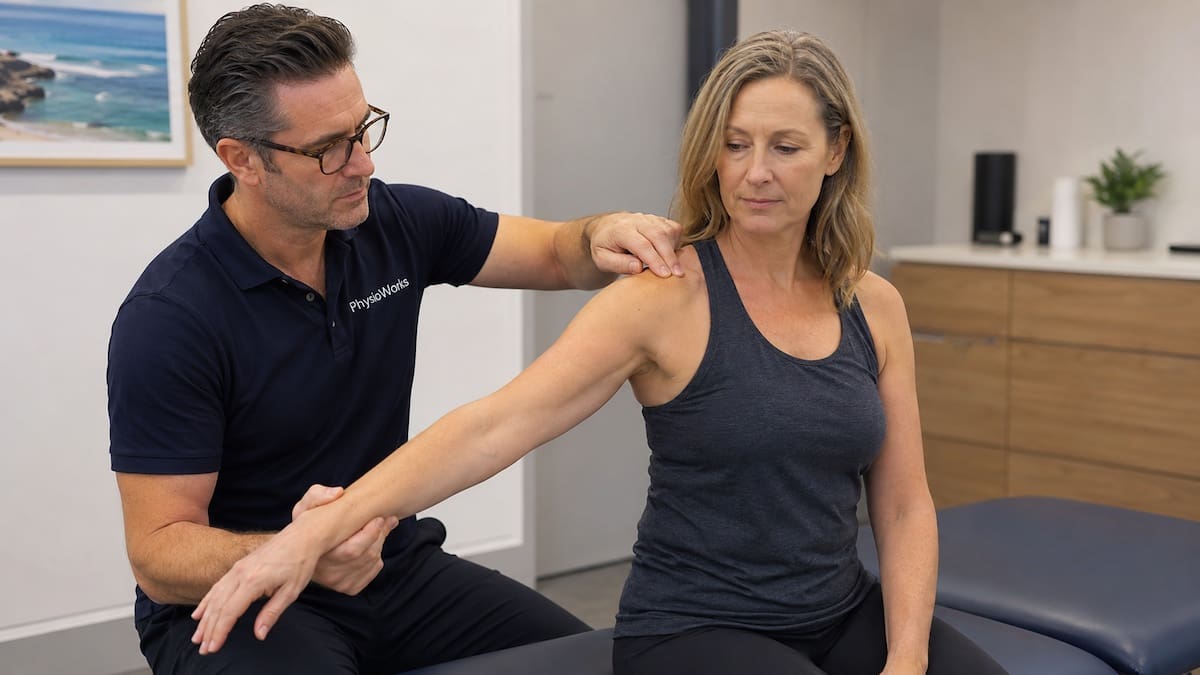
Rotator cuff calcific tendinopathy occurs when a calcium deposit forms inside a rotator cuff tendon. The supraspinatus tendon is a common site. It can cause sharp shoulder pain, night pain, stiffness and difficulty lifting the arm.
Symptoms may affect reaching, dressing, sleeping on the sore side, gym exercises, work or sport. Calcific tendinopathy sits within the wider shoulder pain group, so an assessment can help determine whether the calcium deposit is likely to be contributing to your symptoms.
What Is Rotator Cuff Calcific Tendinopathy?
Rotator cuff calcific tendinopathy is a shoulder condition where calcium forms inside one of the rotator cuff tendons. You may also hear it called calcific tendonitis.
A calcium deposit does not always cause the same level of pain. At times, symptoms may settle. At other times, the shoulder can become very painful as the deposit becomes irritated or starts to break down.
The symptoms can resemble rotator cuff tendinopathy. Assessment helps determine how your pain, movement and strength fit together rather than relying on a scan alone.
What Does Calcific Tendinopathy Feel Like?
The symptoms vary. Some people notice a gradual increase in shoulder pain. Others experience a much faster and more painful flare.
Pain
Pain commonly affects the front or side of the shoulder and may become worse when you lift or reach.
Sleep
Night pain can make lying on the affected shoulder difficult and may disturb sleep.
Movement
Pain and guarding can reduce shoulder movement and make dressing, reaching or overhead tasks difficult.
You may also notice weakness with pushing, lifting or reaching. Gym exercises, swimming, throwing and overhead work can become uncomfortable when the shoulder is irritable.
Can Calcific Tendinopathy Go Away?
Yes. Many cases settle without surgery. The calcium deposit may reduce as the body gradually breaks it down.
However, symptoms do not always follow a smooth path. A painful flare may temporarily reduce your shoulder movement and make normal activities difficult. Protecting comfortable movement during this stage can help reduce unnecessary stiffness.
As pain settles, rehabilitation can progressively rebuild shoulder strength and tolerance for work, gym, sport and everyday tasks.
Why Does Calcium Form in a Rotator Cuff Tendon?
The exact cause remains unclear. Changes within the tendon can allow calcium crystals to form, but the process varies between people.
Activity can influence symptoms even when it did not cause the deposit. A sudden increase in overhead work, gym pressing, throwing, lifting or other shoulder load may aggravate an already sensitive tendon.
How Is Calcific Tendinopathy Diagnosed?
A physiotherapy assessment can examine your shoulder movement, strength, pain pattern and the tasks that reproduce your symptoms. Your physiotherapist may also assess shoulder blade control and consider other possible sources of shoulder pain.
An X-ray can show a calcium deposit. Ultrasound may also identify the deposit and provide information about the rotator cuff tendon and nearby bursa.
Imaging findings need to be considered alongside your symptoms and examination. The aim is to understand what currently limits your shoulder and choose an appropriate management plan.
How Is Rotator Cuff Calcific Tendinopathy Treated?
Management depends on your pain level, shoulder movement, strength, work or sport demands and imaging findings. Most people begin with non-surgical care.
-
Settle the painful flare
Temporarily reduce the activities that clearly aggravate your shoulder. Changes to sleeping position, lifting, overhead work and gym load may help you remain active without repeatedly provoking severe pain.
-
Maintain comfortable movement
Gentle shoulder movement can help limit guarding and stiffness. The appropriate range depends on how irritable your shoulder is.
-
Rebuild shoulder strength
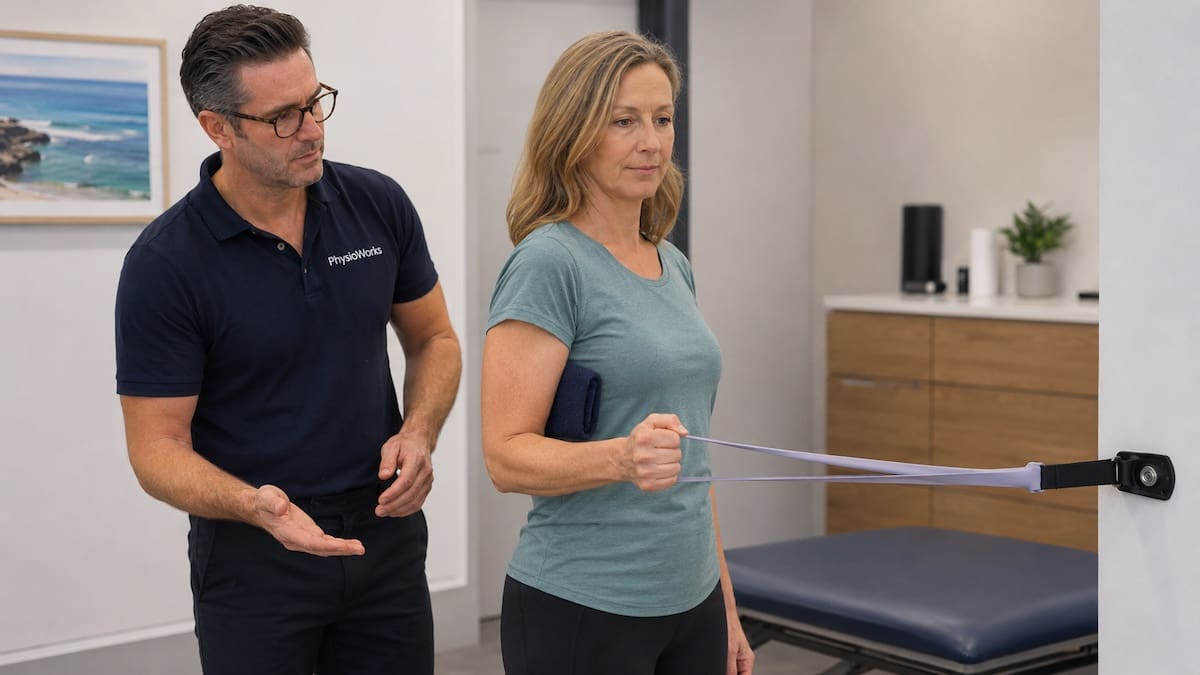
Progressive rotator cuff exercises can build shoulder capacity as symptoms allow.
-
Return to normal load
Gradually rebuild the lifting, work, gym, swimming, throwing or overhead demands that matter to you.
Should You Keep Exercising?
Usually, you can continue some exercise, but the amount may need to change during a painful flare.
The correct starting point differs between people. Pain level, movement, strength and your usual activities all influence exercise selection and progression.
When Might Other Treatment Be Considered?
If pain remains significant despite appropriate non-surgical care, your treating team may discuss additional options. These can include shockwave therapy, image-guided lavage or an injection.
The most suitable option depends on your symptoms, examination, imaging findings, previous treatment and individual goals. Your GP, sports doctor or other treating medical practitioner can help determine whether an additional procedure is appropriate.
Rehabilitation remains important when another treatment is used. Restoring movement, strength and load tolerance helps prepare the shoulder for everyday activity, work and sport.
How Can Physiotherapy Help?
Physiotherapy aims to match movement and loading to the stage of your symptoms. This can help you stay active without repeatedly doing too much too soon or allowing the shoulder to become unnecessarily stiff.
- Pain and activity management: modify sleep, lifting, work, gym and sporting loads during a flare.
- Movement: restore comfortable shoulder range as pain allows.
- Strength: progressively load the rotator cuff and shoulder blade muscles.
- Function: rebuild the tasks required for work, home, gym or sport.
- Progression: adjust exercises as your pain, movement and strength change.
When Should You Have Your Shoulder Assessed?
Consider an assessment when shoulder pain affects sleep, reaching, lifting, work, gym or sport. An assessment may also help when symptoms keep returning or you are unsure how much exercise is appropriate.
Seek assessment sooner if the pain is severe, your shoulder movement drops quickly or symptoms are not beginning to settle over the following one to two weeks.
If you already have an X-ray, ultrasound or MRI report, bring it to your appointment. Your clinician can consider the imaging alongside your symptoms, movement, strength and goals.
Rotator Cuff Calcific Tendinopathy FAQs
What is rotator cuff calcific tendinopathy?
Rotator cuff calcific tendinopathy occurs when a calcium deposit forms inside a rotator cuff tendon. The supraspinatus tendon is a common site. Symptoms can become painful when the deposit becomes irritated or starts to break down.
How long can calcific tendinopathy last?
Time frames vary. Some people improve over weeks, while others have symptoms for months. Pain level, stiffness and individual response can affect recovery. A staged rehabilitation plan can help maintain movement and rebuild strength.
Does calcific tendinopathy need surgery?
Most people begin with non-surgical care. Surgery is generally considered only when pain and function remain poor despite an appropriate period of other treatment.
Can shockwave therapy help calcific tendinopathy?
Shockwave therapy may be considered for some people with ongoing symptoms. It is not required for every shoulder. Suitability depends on your symptoms, imaging findings, previous care and medical advice.
What exercises are safe for calcific tendinopathy?
Exercise depends on how irritable your shoulder is. Early rehabilitation may focus on comfortable movement and light loading. Later stages can progressively rebuild rotator cuff strength, shoulder blade control and tolerance for normal activities.
When should I get calcific shoulder pain checked?
Arrange an assessment if shoulder pain affects sleep, reaching, lifting, work or sport. Seek assessment sooner if pain is severe, movement drops quickly or symptoms are not beginning to improve over the following one to two weeks.
What to Do Next
If shoulder pain is limiting sleep, movement, lifting, work, gym or sport, a physiotherapy assessment can help identify your current pain stage and plan an appropriate progression.
Bring any relevant X-ray, ultrasound or MRI results with you. Your physiotherapist can consider them alongside your shoulder movement, strength, symptoms and goals.
Choose your clinic and appointment pathway
Select a PhysioWorks clinic to continue to live booking, an appointment request or reception assistance.
Shoulder Products
These shoulder products are commonly used by our physiotherapists to improve strength, posture, movement, plus assist home exercise programs.
-

-
-
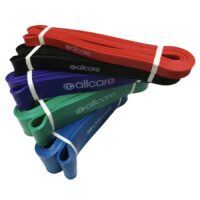
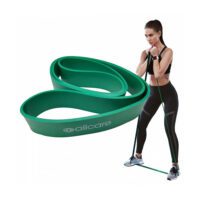 Exercise Equipment, Resistance Band
AllCare Powerloop Bands
$22.00 – $65.00Select optionsQuick View -

-
-
- EMS Machines, Pain Management, TENS Machine, TENS Machine & EMS
NeuroTrac Rehab (TENS Machine + EMS)
$299.95Add to cartQuick View -
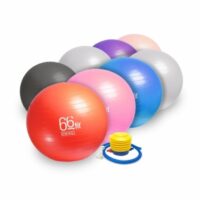
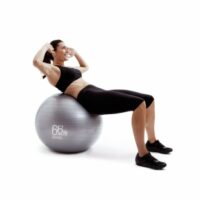 Exercise Balls, Back, Exercise Equipment, Knee, Shoulder
66fit Exercise Balls | Core & Rehab Stability Ball
$32.00 – $57.00Select optionsQuick View -
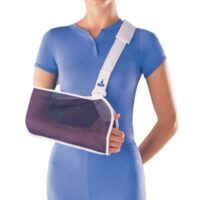
- Liniments & Gels, Massage Liniments, Pain Management
Fisiocrem
$16.95 – $39.95Select optionsQuick View -

-
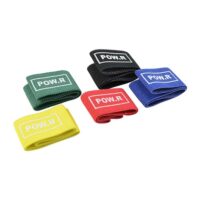 Exercise Equipment, Knee, Resistance Band
POW.R Fabric Mini Loop Bands
$12.00 – $55.00Select optionsQuick View -
-

-


References
- Desmeules F, Roy JS, Lafrance S, et al. Rotator Cuff Tendinopathy Diagnosis, Nonsurgical Medical Care, and Rehabilitation: A Clinical Practice Guideline. J Orthop Sports Phys Ther. 2025;55(4):235-274. doi:10.2519/jospt.2025.13182.
- Yao Y, Yang G, Jiang S, et al. Treatments for rotator cuff calcific tendinitis: a systematic review and network meta-analysis of randomized-controlled trials. EFORT Open Rev. 2025;10(7):520-533. doi:10.1530/EOR-2024-0078.
- Sconza C, Palloni V, Orfei CP, et al. Ultrasound-guided percutaneous lavage for the treatment of rotator cuff calcific tendinopathy: a systematic review with meta-analysis of randomized controlled trials. Eur J Phys Rehabil Med. 2024;60(6):995-1006. doi:10.23736/S1973-9087.24.08513-8.
- Catapano M, Robinson DM, Schowalter S, McInnis KC. Clinical evaluation and management of calcific tendinopathy: an evidence-based review. J Osteopath Med. 2022;122(3):141-151. doi:10.1515/jom-2021-0213.
