
Repetitive Strain Injury
RSI causing wrist, forearm, elbow, or hand pain? Learn what repetitive strain injury is, what causes it, and how physiotherapy, ergonomics, and load management can help.



Reviewing desk setup, screen height and work posture.
Repetitive strain injury (RSI) is an umbrella term for pain, irritation, weakness, or tingling linked to repeated movements, sustained postures, or prolonged upper-limb loading. It can affect the hand, wrist, forearm, elbow, shoulder, or neck.
RSI is one possible cause of hand and wrist pain. It can also overlap with wrist tendinopathy, carpal tunnel syndrome, de Quervain’s tenosynovitis, tennis elbow, and symptoms linked to the neck, such as neck and arm pain.
Quick Signs of Repetitive Strain Injury
- aching, burning, or sharp pain with repeated tasks
- tingling, numbness, or hand fatigue
- reduced grip strength or clumsiness
- symptoms that build during the day or after work
- pain spreading from the wrist or forearm towards the elbow, shoulder, or neck
What Is Repetitive Strain Injury?
Repetitive strain injury is not one single diagnosis. It is a practical term used when repeated movements, static postures, forceful gripping, or poor work setup irritate muscles, tendons, nerves, or joints over time.
Some people have a local problem, such as tendon overload around the wrist or elbow. Others develop broader upper-limb symptoms that involve several areas at once. That is why a proper assessment matters. The main driver may sit in the hand, forearm, elbow, shoulder, neck, or in the way your daily workload is organised.
Who Commonly Gets RSI?
Repetitive strain injury is common in office workers, tradies, healthcare workers, musicians, gamers, hairdressers, students, and anyone who repeats the same hand or arm task for long periods.
RSI is more likely when work volume rises quickly, recovery is poor, or your setup keeps the wrist, elbow, shoulder, or neck in awkward positions. Desk-based symptoms may also overlap with text neck when laptop or screen posture adds neck and shoulder load.
What Are Common Repetitive Strain Injury Symptoms?
RSI symptoms often begin mildly. Then they may build if the same task continues without enough variation or recovery. Early symptoms may settle with rest, yet persistent cases can start affecting work, sleep, exercise, and simple daily activities.
- pain in the wrist, hand, forearm, elbow, shoulder, or neck
- burning, aching, or shooting discomfort
- tingling, numbness, or altered sensation
- weak grip, reduced endurance, or hand fatigue
- stiffness after typing, tool use, driving, or gaming
- trouble opening jars, lifting, chopping food, or using a mouse
- hands that feel cold, heavy, or easily irritated during flares
Early warning signs: symptoms ease when you stop the activity, then return later. Minor niggles may last longer each week. Pain may also appear with lighter tasks than before.
What Causes Repetitive Strain Injury?
Repetitive strain injury usually develops when your tissues are asked to do more than they can currently tolerate. This can happen through repeated gripping, typing, clicking, lifting, scanning, gaming, texting, or tool use.
- high-volume repetitive work
- sustained keyboard or mouse use
- poor desk, screen, keyboard, or mouse position
- forceful gripping, twisting, pushing, or lifting
- awkward wrist, elbow, shoulder, or neck positions
- few breaks or poor task rotation
- vibration exposure from tools
- stress, fatigue, or reduced physical capacity
Symptoms can also overlap with golfer’s elbow, local nerve irritation, or tendon overload. In some cases, the wrist is sore because the shoulder, neck, or work pattern is adding extra load.
How Does RSI Affect the Body?
RSI affects the body by creating repeated low-level stress on soft tissues and nerves. Over time, this may irritate tendons, tighten muscles, reduce nerve mobility, or sensitise the area. Tasks that were once easy may then feel painful, weak, or tiring.
For example, repeated wrist extension may overload forearm tendons. Long hours of mouse use may increase tension through the forearm, shoulder, and neck. Sustained desk posture may also add load through the cervical spine and shoulder girdle. RSI often reflects a whole-chain problem rather than one isolated sore spot.
How Is Repetitive Strain Injury Diagnosed?
Repetitive strain injury is usually diagnosed through a clinical assessment of your symptoms, work demands, posture, movement, strength, and nerve or tendon irritability. Imaging is not always needed because many RSI problems are identified from the symptom pattern and the tasks that provoke them.
Your physiotherapist will usually assess:
- where the symptoms start and where they spread
- which tasks trigger pain, tingling, or fatigue
- wrist, hand, elbow, shoulder, and neck movement
- strength, grip, pinch, and endurance
- tendon loading tolerance
- possible median, ulnar, or radial nerve irritation
- your desk, tool, sport, or daily activity setup
How Do You Treat Repetitive Strain Injury?
Repetitive strain injury treatment usually works best when you reduce the aggravating load, restore tissue capacity, and address the main drivers of overload. Rest alone is rarely enough. Most people need a guided plan that calms symptoms first, then rebuilds strength, movement, and work tolerance.
- relative rest from the most aggravating task
- activity modification and pacing
- physiotherapy to restore movement, strength, and nerve mobility
- grip, forearm, shoulder, and postural exercise progressions
- workstation or tool modifications
- splinting or taping if appropriate
- load-management advice for work, study, gym, music, or sport
- medical review if symptoms are severe, progressive, or not settling

Should You Keep Working or Rest Completely?
Most people do not need complete rest. A better first step is to reduce the worst trigger, vary the task, and keep comfortable movement going. Your plan should then rebuild tolerance in stages.
Stop and seek advice sooner if symptoms spread, grip weakens, numbness persists, or pain keeps flaring despite sensible changes.
How Long Does RSI Treatment Take?
Mild repetitive strain injury may improve within days to a few weeks if you reduce the aggravating load early. More persistent cases can take several weeks to months, especially if the same work demands continue.
Recovery is usually faster when you identify the main driver, change the task, and rebuild capacity rather than waiting for symptoms to settle on their own.
Can an Ergonomic Workstation Assessment Help RSI?
Yes. An ergonomic workstation assessment can help when RSI symptoms link to desk setup, keyboard position, mouse use, laptop work, or long static sitting. The goal is to reduce repeated strain, improve posture options, and make the task fit the person better.
Useful changes may include chair height, screen position, keyboard and mouse distance, forearm support, and regular movement breaks. Safe Work Australia also provides practical guidance for setting up a screen-based workstation.
How Can You Prevent Repetitive Strain Injury?
RSI prevention focuses on changing repeated stress before it becomes a persistent problem. Prevention works best when you combine ergonomic changes with physical capacity, task variation, and sensible recovery habits.
- use short movement breaks during long desk or tool-based tasks
- change position regularly instead of holding one posture for hours
- improve keyboard, mouse, screen, and chair setup
- warm up before higher-load work, sport, or music sessions
- build forearm, shoulder, and postural strength
- increase work or training volume gradually
- respond early to minor symptoms instead of pushing through for weeks
If your symptoms are mild or you cannot attend in person straight away, telehealth physiotherapy may help you get early advice on load changes, exercises, and whether you need hands-on review.
Related Conditions You May Want to Check
- Carpal tunnel syndrome
- Wrist tendinopathy
- Tennis elbow
- De Quervain’s tenosynovitis
- Neck and arm pain
Frequently Asked Questions
Is repetitive strain injury the same as carpal tunnel syndrome?
No. Repetitive strain injury is a broad umbrella term, while carpal tunnel syndrome is a specific nerve compression problem at the wrist. RSI may include tendon overload, muscle strain, nerve irritation, reduced load tolerance, or several overlapping upper-limb problems.
How long does repetitive strain injury take to settle?
Mild repetitive strain injury may settle within days to a few weeks if you reduce the aggravating load early. Longer-standing or more irritable cases often take several weeks to months, especially if the same workload continues without ergonomic or exercise changes.
Should you rest repetitive strain injury completely?
Usually no. Short-term reduction of painful tasks can help, but complete rest for too long may reduce strength and tolerance. Most people improve more steadily with relative rest, task changes, and a gradual return to comfortable loading.
When should you worry about repetitive strain injury?
Seek prompt assessment if symptoms are getting worse, spreading, disturbing sleep, causing numbness or weakness, or affecting grip and hand control. Ongoing nerve symptoms, dropping objects, or pain that does not improve with simple changes deserves review.
Can repetitive strain injury come from the neck or shoulder?
Yes. Some RSI symptoms are driven partly by the neck, shoulder, or upper-limb nerve irritation rather than only the wrist or hand. A physiotherapy assessment should check the whole chain, not just the sore spot.
Can physiotherapy help repetitive strain injury?
Physiotherapy may help by identifying irritated tissues, reducing aggravating load, improving workstation or movement habits, restoring strength and mobility, and guiding a staged return to normal work or daily activity.
What to Do Next
If you think you have repetitive strain injury, act early. First, reduce the tasks that flare your symptoms the most. Next, check your desk, tools, breaks, and daily workload. Then get the problem assessed so you know whether the main issue is tendon, nerve, joint, posture-related, or a combination.
A PhysioWorks physiotherapist can assess your repetitive strain injury, explain what may be driving it, and guide a practical treatment plan to help you work more comfortably and reduce long-term flare-ups.
Choose your clinic and appointment pathway
Select a PhysioWorks clinic to continue to live booking, an appointment request or reception assistance.
Wrist Products
These wrist products are commonly used by our physiotherapists to improve comfort, strength, and home exercise programs.
-
-


-
-
 Braces & Supports, Thumb, Uncategorized, Wrist
Victor Neoprene Thumb Brace
$37.00Add to cartQuick View - Liniments & Gels, Massage Liniments, Pain Management
Fisiocrem
$16.95 – $39.95Select optionsQuick View -
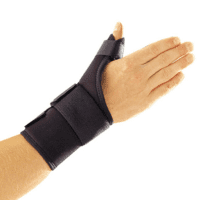 Braces & Supports, Hand, Thumb, Wrist
OPPO 1188 Wrist and Thumb Support
$30.00Select optionsQuick View -
-

-
-

-

-


-
-


-









References
- Tersa-Miralles C, Bravo C, Bellon F, Pastells-Peiró R, Rubinat Arnaldo E, Rubí-Carnacea F. Effectiveness of workplace exercise interventions in the treatment of musculoskeletal disorders in office workers: a systematic review. BMJ Open. 2022;12(1):e054288. doi:10.1136/bmjopen-2021-054288
- de Waal A, Killian A, Gagela A, Baartzes J, de Klerk S. Therapeutic approaches for the prevention of upper limb repetitive strain injuries in work-related computer use: a scoping review. J Occup Rehabil. 2025;35(2):234-267. doi:10.1007/s10926-024-10204-z
- Santos W, de Oliveira VC, de Souza IMB, et al. Efficacy of ergonomic interventions on work-related musculoskeletal pain: a systematic review and meta-analysis. J Clin Med. 2025;14(9):3106. doi:10.3390/jcm14093106
- Safe Work Australia. Setting up your workstation infographic. Published August 2, 2023. Accessed July 2, 2026.
