
Sever's Disease (Calcaneal Apophysitis)
Heel pain in active children during growth spurts


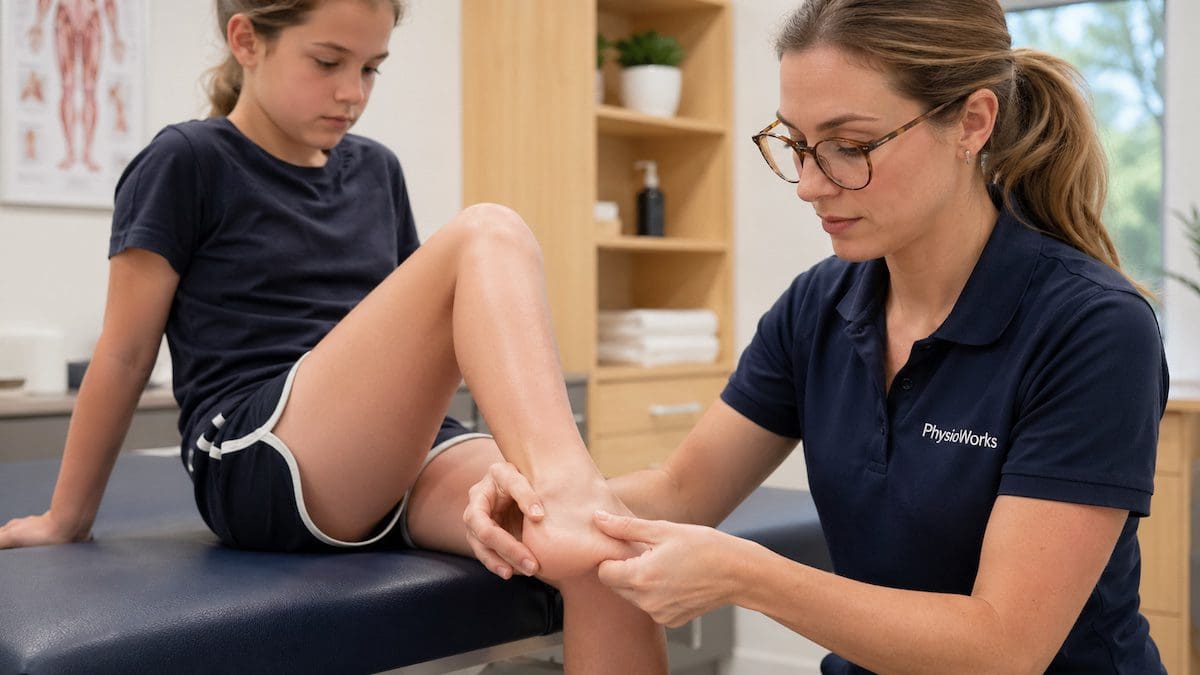
Heel assessment for active children with heel pain.
Sever’s disease is a common cause of heel pain in active children during growth spurts. It often affects children who run, jump, play sport, or do PE. Pain usually appears during or after activity and settles with rest.
Sever’s disease, also called calcaneal apophysitis, occurs when repeated load irritates the heel growth plate. It is one of the more common kids sports injuries. For a broader overview, visit our heel pain guide.
The calf muscles attach to the heel through the Achilles tendon. During fast growth, bones may grow before muscles and tendons adapt. This can increase pulling force through the back of the heel.
Sever’s Disease Quick Summary
- Common cause of heel pain in active children aged about 8 to 12
- Often linked to running, jumping, growth spurts, and sport load
- Usually causes pain at the back or underside of the heel
- Often improves with activity change, footwear support, and guided care
- Most children recover fully as the heel growth plate matures
Common Symptoms of Sever’s Disease
Children with Sever’s disease usually feel heel pain during or after activity. The pain often sits at the back or underside of the heel where the growth plate is located.
- Heel pain during or after running or jumping
- Limping or walking awkwardly after sport
- Pain when rising onto tiptoes
- Tenderness when squeezing the sides of the heel
- Heel stiffness after training, games, or PE
Symptoms often ease with rest. However, they can return when sport load increases again.
Parent Decision Guide
Use pain and limping to guide activity.
- Keep low-pain activity where possible
- Reduce sprinting, jumping, and repeated impact for a short period
- Check footwear fit, support, and cushioning
- Use heel cups or supports if recommended
- Seek advice if pain persists or walking becomes painful
What Is Sever’s Disease?
Sever’s disease is an overuse condition affecting the heel growth plate in growing children. Despite the name, it is not an infection or a serious disease process. It is irritation of a developing part of the heel bone caused by repeated pulling and loading.
It is most often seen in active children during early adolescence.
- Girls: often between 8 and 10 years
- Boys: commonly between 10 and 12 years
Is Sever’s Disease Serious?
Sever’s disease is usually temporary. It does not usually cause permanent heel damage. Most children improve once the irritated growth plate settles and later matures.
The main issue is pain during activity. With sensible sport changes, calf flexibility, supportive footwear, and physiotherapy guidance, many children return to normal activity well.
What Causes Sever’s Disease?
Sever’s disease develops when repeated forces through the heel irritate the growth plate. This is more likely during growth spurts, especially in children who train often or play high-impact sport.
- Running injuries and jumping sports
- Rapid growth phases
- Tight calf muscles
- Hard playing surfaces
- Poorly fitting or worn footwear
- Foot posture or biomechanical changes
- Higher weekly training loads
- Higher body weight
Foot and ankle mechanics may also contribute. Problems with the foot, the ankle, or the way the lower limb absorbs force can increase load through the heel.
How Is Sever’s Disease Diagnosed?
A physiotherapist can usually assess Sever’s disease through your child’s history, sport load, growth pattern, walking or running mechanics, calf flexibility, and local heel tenderness. A commonly used clinical test is the heel squeeze test.
Imaging is not usually required unless another diagnosis is suspected. A current clinical overview notes that calcaneal apophysitis is a common overuse condition in young athletes and is usually diagnosed clinically rather than through routine imaging (NCBI clinical overview).
Other Causes of Heel Pain in Children
Although Sever’s disease is one of the most common causes of heel pain in active children, it is not the only possible source. A physiotherapist may also assess for:
- Plantar fasciitis
- Retrocalcaneal bursitis
- Achilles tendon irritation
- Heel bone stress injury
- Foot or ankle biomechanical problems
A proper clinical assessment helps confirm the likely cause and guide the right management plan.
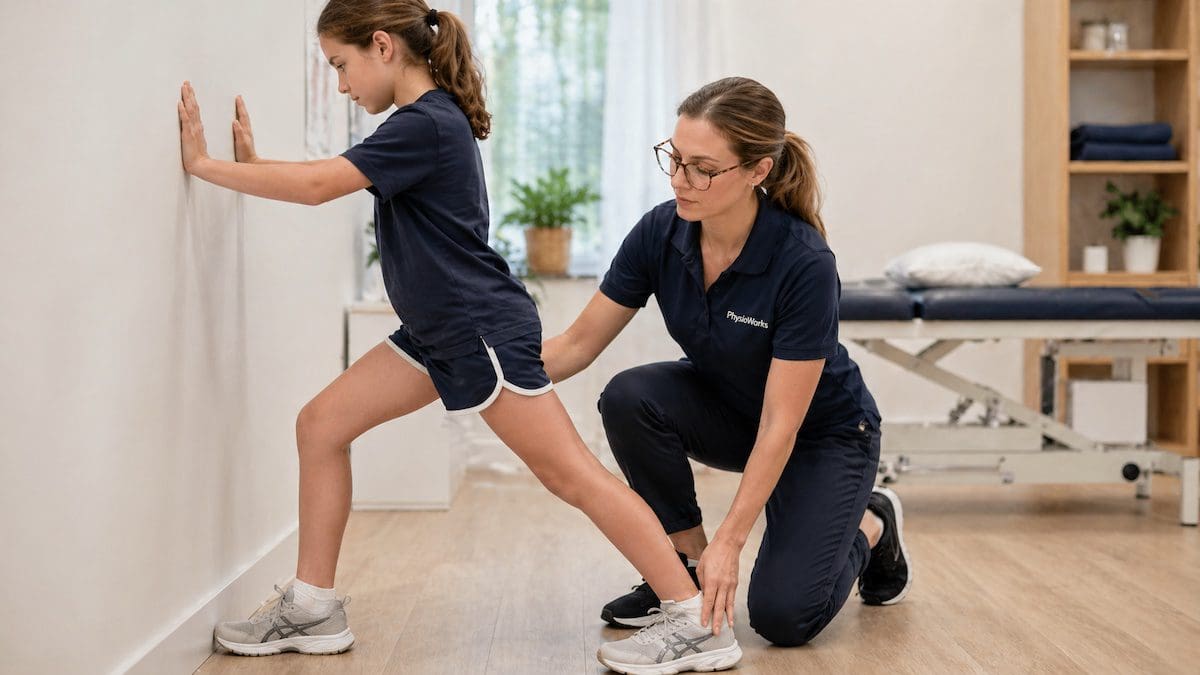
Gentle calf stretching may reduce heel strain.
How Is Sever’s Disease Treated?
Most children recover from Sever’s disease with conservative treatment. Management usually focuses on reducing stress on the heel growth plate while the irritation settles.
- Temporarily reducing painful running and jumping
- Calf stretching and ankle mobility exercises
- Foot and lower leg strengthening exercises
- Shock-absorbing heel cups or heel lifts
- Supportive footwear
- Sports taping in some cases
- Gradual return to sport once symptoms improve
Clinical research suggests that temporary activity modification is one useful early strategy. The condition is also considered self-limiting, which means it usually settles as the heel growth plate matures.
Physiotherapy Treatment for Sever’s Disease
1. Activity Modification
The first step is usually reducing painful running, jumping, sprinting, and repeated high-impact loading. Complete rest is not always needed. Symptoms should guide how much activity your child does.
2. Calf Flexibility and Ankle Mobility
Tight calf muscles are commonly linked with Sever’s disease because the Achilles tendon attaches close to the irritated growth plate. Physiotherapy often includes calf stretching and ankle mobility work to reduce tension through the heel.
3. Strength and Foot Control
Strengthening the foot arch and lower leg muscles may help improve load absorption and foot control. Exercises such as active foot posture correction exercises may be useful when foot posture contributes to symptoms.
4. Heel Cups and Orthotics
Shock-absorbing heel cups or heel lifts may reduce Achilles tendon tension and impact through the heel during sport. You can read more about heel cups, supportive products such as Tuli’s Heel Cups, and orthotics.
5. Biomechanical Assessment
If foot posture, altered running mechanics, or repeated overload are contributing factors, a biomechanical assessment may help identify what needs to change.
6. Taping Techniques
Sports taping may help reduce strain on the heel during activity. Physiotherapists sometimes use taping as a short-term support strategy while symptoms settle, particularly when a child returns to modified sport.
7. Gradual Return to Sport
Children usually return to full sport once heel pain settles and calf strength, flexibility, and load tolerance improve. A gradual progression is usually better than an immediate return to full training.
Sport Load Guide for Parents
| Pain response | What to do |
|---|---|
| Mild heel discomfort that settles quickly | Continue modified activity and monitor symptoms. |
| Pain builds during sport or returns afterwards | Reduce running, jumping, and sprinting for a short period. |
| Limping, pain with walking, or night pain | Stop aggravating activity and seek professional advice. |
Can Children Continue Sport with Sever’s Disease?
Many children can continue some sport, but training usually needs modification. If running, jumping, or sprinting clearly increases heel pain, reduce those activities for a short period and keep other exercise that does not aggravate symptoms.
This is particularly relevant in sports linked to jumping injuries, where repeated landing loads can irritate the heel further. A modified plan often helps children stay active without repeatedly flaring symptoms.
What Should Parents Do About Sever’s Disease?
If your child develops heel pain during sport, take the symptoms seriously. While Sever’s disease is common during growth spurts, continuing intense activity despite pain can prolong recovery.
- Reduce high-impact sport temporarily if pain is building
- Encourage calf stretching after activity
- Check that footwear is supportive and still fits well
- Use shock-absorbing heel support if recommended
- Monitor symptoms closely during growth spurts
If heel pain persists or starts affecting walking, a physiotherapist can assess the condition and recommend a clear plan.
Can Sever’s Disease Be Prevented?
You cannot prevent growth spurts, but you may reduce flare-up risk by managing training loads and supporting the heel during busy sport periods.
- Maintain good calf flexibility
- Increase sport load gradually
- Use supportive, well-fitting footwear
- Address foot posture concerns early
- Review training surfaces and total weekly load
Related Heel and Growth Plate Conditions
Not all heel pain is caused by Sever’s disease. Depending on age, pain location, and activity pattern, your physiotherapist may also assess for:
- Plantar fasciitis
- Heel spur
- Achilles tendinopathy
- Heel pain
- Kids leg pain
- Osgood-Schlatter disease
- Sinding Larsen Johansson syndrome
When Should You Seek Professional Advice?
Most cases of Sever’s disease improve with simple activity modification and physiotherapy management. However, professional advice may help if heel pain persists, limping develops, or sport becomes difficult.
- Heel pain persists for more than a few weeks
- Your child starts limping or avoids weight-bearing
- Pain interferes with sport or daily activity
- Symptoms occur without sport or seem unusually severe
- Pain wakes your child at night or follows a clear injury
A physiotherapist can assess heel pain, explain the likely cause, and guide a safe return to activity.
Return to Sport Checklist
Your child is usually ready to progress when heel pain stays settled during and after activity.
- Walking is pain-free
- No limping during daily activity
- Calf stretching feels comfortable
- Running drills do not increase heel pain
- Sport load increases gradually over several weeks
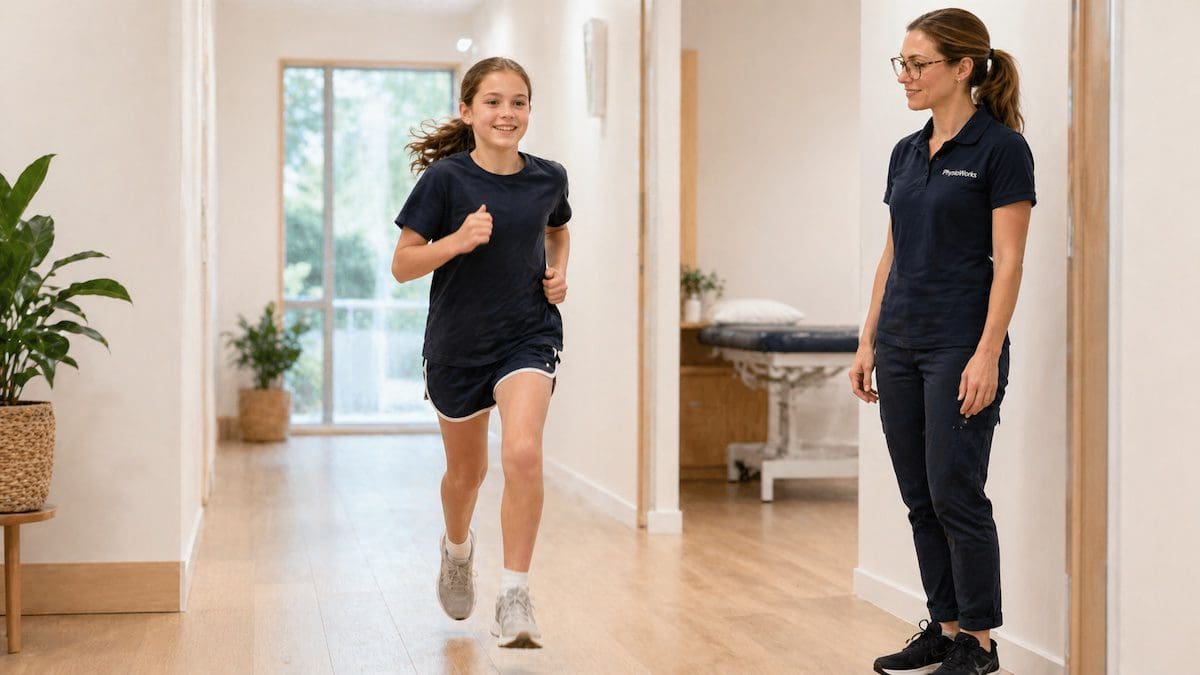
Return to sport should progress gradually.
Sever’s Disease FAQs
What is Sever’s disease?
Sever’s disease is a growth-related heel condition in children. It occurs when repeated stress irritates the growth plate at the back of the heel bone, usually during busy sport periods or growth spurts. Children often notice pain during running, jumping, or after training.
Is Sever’s disease serious?
Sever’s disease is usually not serious, and it does not normally cause permanent heel damage. However, it can become frustrating if a child keeps pushing through pain. Activity modification, supportive shoes, heel cushioning, stretching, strengthening, and physiotherapy advice may help symptoms settle.
How long does Sever’s disease last?
Symptoms may last several weeks to a few months. Recovery depends on growth stage, sport load, footwear, calf flexibility, strength, and how well activity is modified during painful phases. Some children have flare-ups during growth spurts or heavy sport periods.
Can my child play sport with Sever’s disease?
Many children can continue modified sport if symptoms stay mild and settle quickly after activity. If pain increases during sport, limping appears, or symptoms continue afterwards, reduce running, jumping, and sprinting loads until the heel settles.
What helps Sever’s disease pain?
Activity modification, calf stretching, supportive shoes, heel cups, taping, foot control exercises, and gradual return-to-sport planning may help reduce heel irritation. A physiotherapist can also check whether footwear, training load, calf tightness, or foot mechanics are contributing.
Does my child need an X-ray for Sever’s disease?
An X-ray is not usually needed when the symptoms and assessment fit Sever’s disease. Imaging may be considered when pain is severe, follows a clear injury, occurs at rest, wakes a child at night, or does not behave like typical activity-related heel pain.
What to Do Next
If your child has ongoing heel pain during sport, an assessment may help confirm whether it is Sever’s disease and identify what is driving the irritation. Early management often helps children stay active while reducing repeated flare-ups.
Book a physiotherapy appointment for a clear diagnosis, practical load advice, footwear guidance, and a safe return-to-sport plan.
Choose your clinic and appointment pathway
Select a PhysioWorks clinic to continue to live booking, an appointment request or reception assistance.
Achilles & Heel Products
These Achilles and heel products are commonly used by our physiotherapists to improve strength, comfort, movement, and home exercise programs.
-
-
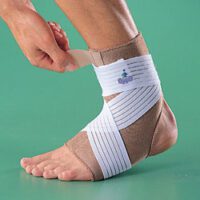 Ankle, Braces & Supports, Clearance Sale
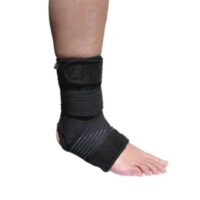
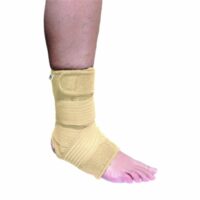
Ankle Support with Strap – OPPO 1003
$42.00Select optionsQuick View -
-

-
- Liniments & Gels, Massage Liniments, Pain Management
Fisiocrem
$16.95 – $39.95Select optionsQuick View -
 Braces & Supports, Foot, Heel
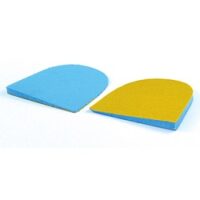
Formthotics Rearfoot Wedge (Valgus Varus)
$6.95Select optionsQuick View -
 Ankle, Braces & Supports, Calf, Foot
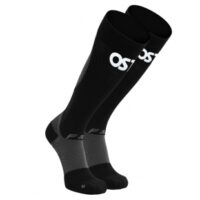
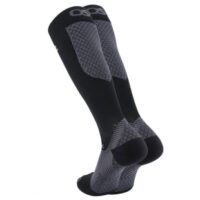
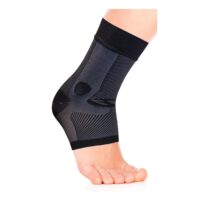
Orthosleeve Compression Bracing Socks
$49.00Select optionsQuick View -
-


-
-
-
-
-





References
- Fares MY, Salhab HA, Khachfe HH, et al. Sever’s Disease of the Pediatric Population: Clinical, Pathologic, and Therapeutic Considerations. Cureus. 2021;13(8):e17319.
- Kothari EA, Padilla JA, McCulloch PC. A Review of Pediatric Heel Pain. Cureus. 2023;15(2):e35216.
- Hernandez-Lucas P, Leirós-Rodríguez R, García-Liñeira J, Diez-Buil H. Conservative Treatment of Sever’s Disease: A Systematic Review. J Clin Med. 2024;13(5):1391.