
Shin Splints


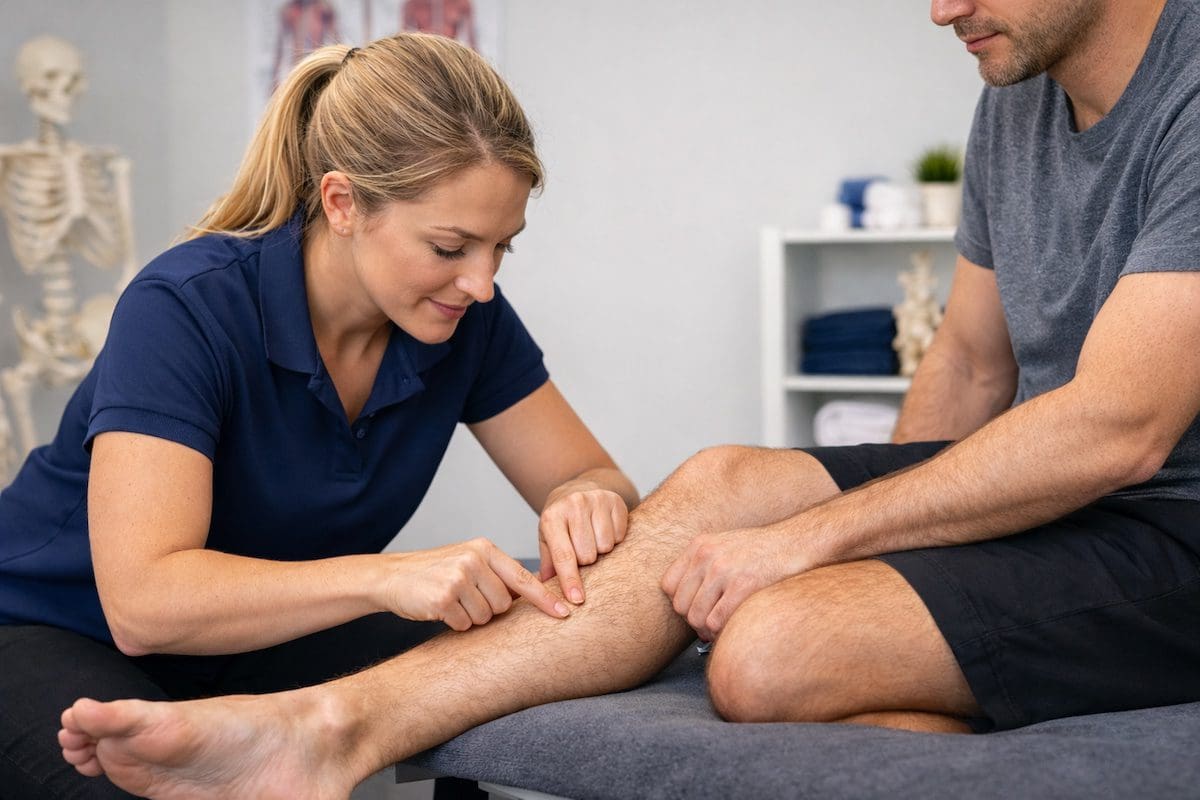
Shin Splints Physiotherapy
Shin splints physiotherapy helps people who develop exercise-related lower-leg pain, especially with running injuries, jumping sports, hills or sudden training changes. This page sits within our broader shin pain guide because “shin splints” can overlap with several lower-leg conditions that need different treatment plans.
At PhysioWorks, we also screen for other causes of shin pain, including tibial stress fracture, compartment syndrome, and tendon overload around the ankle and lower leg.
Quick Signs To Watch For
- Lower-leg pain during or after running, jumping or hills.
- Tenderness along the shin rather than one tiny pinpoint spot.
- Symptoms that ease with warm-up, then return later.
- Stiff calves, reduced ankle movement or tired lower-leg muscles.
- Pain that follows a recent jump in training load.
What Are Shin Splints?
Shin splints is a common term for exercise-related pain along the shinbone and nearby soft tissues. It usually develops when repeated impact or loading exceeds what your lower leg can currently tolerate.
Symptoms often build with running, jumping, hills or sudden training changes. Many cases overlap with medial tibial stress syndrome, often called MTSS.
Common Types Of Shin Splints
People often describe two common shin pain patterns. The exact label matters less than identifying the irritated tissue, checking training load, and ruling out more serious bone stress injury.
Anterior Shin Splints
Anterior shin pain sits at the front of the shin. It often relates to overload of the tibialis anterior muscle and nearby tissues. You may notice pain when lifting the toes, especially after hills, speed work or a sudden rise in training demand.
Read more: Anterior Shin Splints
Posterior Shin Splints
Posterior shin pain sits along the inner border of the tibia. This pattern often overlaps with medial tibial stress syndrome. It can also overlap with tendon overload, including tibialis posterior tendinopathy.
Read more: Posterior Shin Splints
Why Does Shin Pain Happen?
Shin pain usually reflects a load problem. In simple terms, the shinbone and surrounding tissues are dealing with more stress than they can currently manage.
That can happen when training load rises too fast, recovery falls short, or the lower leg lacks the strength and endurance needed for repeated impact.
Key Causes And Risk Factors
- Sudden increase in training volume, speed, hills or frequency.
- High-impact sport load such as running and jumping.
- Hard surfaces, repeated camber or poor recovery between sessions.
- Reduced calf and foot strength or endurance.
- Reduced hip control and single-leg stability.
- Limited ankle dorsiflexion, often linked with stiff calves.
- Foot mechanics that increase tibial load for your current training demand.
- Footwear mismatch, worn shoes or sudden shoe changes.
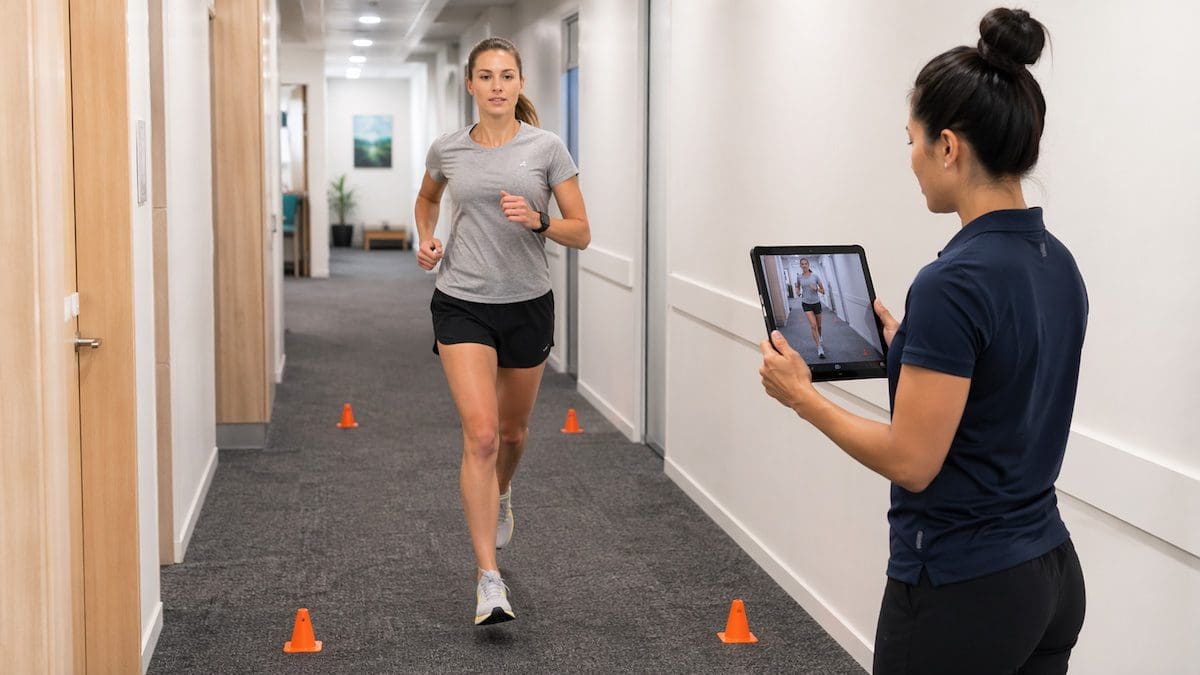
Should You Keep Running?
You may be able to keep some running if symptoms stay mild, warm up quickly and settle within 24 hours.
Reduce impact and get assessed if pain becomes sharp, localised, worse during each run, or worse the next day.
Stop impact training sooner if hopping hurts, night pain appears, or the pain feels like one clear point on the bone.
How Do Shin Splints Feel?
Shin splints often begin as an ache during or after exercise. Some people feel stiffness early in a session, improve as they warm up, then feel pain return later or the next day.
Others notice soreness after hills, speed sessions or several hard training days in a row.
When Shin Pain May Be More Serious
Not all shin pain is simple overload. Pain that becomes sharp, very localised, or persists at rest can suggest a tibial stress fracture or another bone stress injury.
If you want an external overview of symptoms and self-care, Healthdirect’s shin splints guide is a useful Australian reference.
What A Physiotherapist Assesses
A clear assessment reduces guesswork. Your physiotherapist will usually check your training history, the timing of your flare-up, the exact pain site, and whether symptoms suggest a simple load issue or something more serious.
Assessment May Include
- Training history and recent load changes.
- Exact pain site and pattern, including warm-up effect and next-day pain.
- Bone stress warning signs such as focal pain, night pain or rapidly worsening symptoms.
- Foot and ankle mobility, including calf length and ankle range.
- Calf strength and endurance.
- Hip and trunk control during single-leg tasks.
- Running mechanics when relevant.
If symptoms suggest a bone stress injury, imaging may be appropriate. Your physiotherapist or doctor may recommend further investigation when the history or examination points away from straightforward shin splints.
Shin Splints Treatment
Rehab works best when it targets the reason your shin overloaded, not just the pain itself. Treatment often starts with load modification, then builds lower-leg capacity so you can tolerate impact again with less flare-up risk.
1. Settle Symptoms And Protect The Area
- Reduce impact load first rather than stopping all movement.
- Use low-impact conditioning such as cycling, swimming or deep-water running if tolerated.
- Manage painful spikes with pacing, recovery and training adjustments.
- Avoid repeated “test runs” when symptoms are clearly flared.
2. Restore Capacity In The Foot, Calf And Hips
Many people benefit from strengthening that targets the calf, soleus and foot muscles. Hip control also matters because it changes how force travels through the leg.
A useful starting point is active foot posture correction exercises.
3. Improve Mechanics And Reduce Repeat Overload
Small changes can make a big difference. That may include footwear review, running load planning, stride or hill exposure changes, and better spacing between harder sessions.
Some runners may also benefit from a structured running analysis if symptoms keep returning with similar training patterns.
How Physiotherapy Rehab Is Usually Structured
Physiotherapy for shin splints often moves through three stages: calm the irritated tissues, rebuild calf-foot-hip strength and endurance, then guide a graded return to impact.
| Stage | Main Goal | Typical Focus |
|---|---|---|
| Calm | Reduce flare-ups | Load changes, low-impact fitness and symptom tracking |
| Build | Improve capacity | Calf, soleus, foot, hip and trunk strength |
| Return | Restore impact tolerance | Run-walk progressions, hills, speed and sport-specific load |
Return To Running After Shin Splints
A graded return is safer than a “test it and hope” approach. Many runners do best with short run-walk intervals before continuous running.
- Start below the level that triggered symptoms.
- Leave at least 48 hours between early impact sessions.
- Increase only one variable at a time, such as distance, speed or hills.
- Use next-day pain as a key load guide.
- Keep strength work in your program during the return phase.
For broader context, see overuse injuries and our parent shin pain hub.
When You Should Get Assessed Sooner
- Pain is sharp, pinpoint or rapidly worsening.
- Pain lingers for hours after training or is worse the next day.
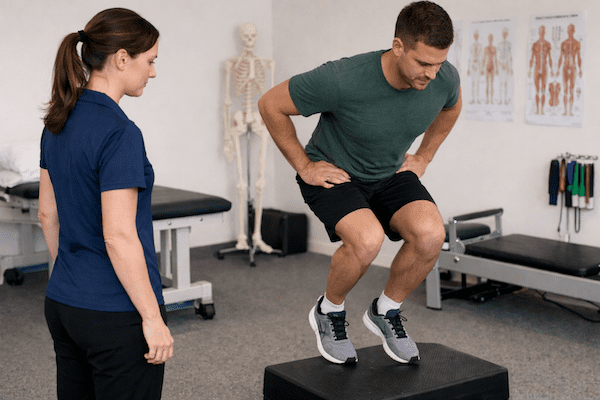
- You cannot hop on the sore leg without marked pain.
- You feel night pain or pain at rest.
- You have swelling, numbness or cramping with exercise.
FAQs About Shin Splints
Can you keep running with shin splints?
Sometimes, yes, but only if symptoms stay mild and settle quickly. Many people need reduced volume, fewer hills, more recovery days or a short run-walk plan. If pain becomes sharp, localised or progressively worse, stop impact training and get assessed.
How long does shin splints rehab take?
Recovery time varies with severity, training load and whether bone stress is involved. Mild cases may improve over a few weeks with load changes and strengthening. Longer-lasting or more focal pain can take longer and may need imaging to rule out stress fracture.
What is the difference between shin splints and a stress fracture?
Shin splints usually describe exercise-related overload across the shin and nearby tissues, often with a broader pain area. A stress fracture is a more focal bone injury and tends to produce sharper, more localised pain with hopping, impact or even rest.
Do shoes or foot mechanics matter with shin splints?
They can. Worn shoes, abrupt shoe changes, poor fit and foot mechanics that increase tibial load may all contribute. However, footwear is only one part of the picture. Strength, training load, recovery and running pattern also matter.
What exercises help shin splints?
Helpful exercises often target the calf, soleus, foot muscles, hip control and single-leg balance. The right starting point depends on your symptoms and current capacity. Exercises should progress without causing a next-day flare-up.
When should shin pain be checked urgently?
Seek prompt advice if pain is sharp, localised, worsening, painful at rest, painful at night or severe with hopping. Swelling, numbness, cramping, weakness or unexplained symptoms also need assessment.
Related Articles
- Shin Pain
- Anterior Shin Splints
- Posterior Shin Splints
- Tibial Stress Fracture
- Compartment Syndrome
- Tibialis Posterior Tendinopathy
What To Do Next
If shin pain is limiting your training, a physiotherapist can identify the main driver, screen for more serious bone stress signs, and guide a graded return to impact.
Book a PhysioWorks appointment if your symptoms are not settling, keep returning, or make you unsure how much running or sport is safe right now.
Choose your clinic and appointment pathway
Select a PhysioWorks clinic to continue to live booking, an appointment request or reception assistance.
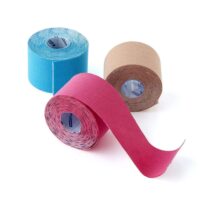
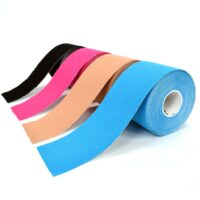
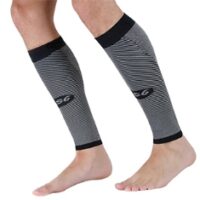
Shin Products
These shin products are commonly used by our physiotherapists to improve comfort, flexibility, strength, and home exercise programs.
- Christmas Gift Ideas, Exercise Equipment, Gift Ideas, Massage Tools, Pain Management
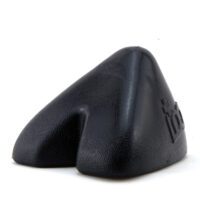
Pocket Physio MAX
$24.95Select optionsQuick View -
-

-
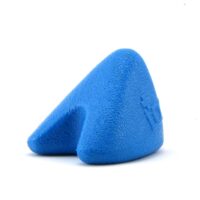
 Exercise Equipment, Back, Elbow, Foot, Massage Tools, Shoulder
Pocket Physio
$14.95Select optionsQuick View -
-
-
-
- Liniments & Gels, Massage Liniments, Pain Management
Fisiocrem
$16.95 – $39.95Select optionsQuick View -
- Pain Management, Christmas Gift Ideas, Gift Ideas, TENS Machine, TENS Machine & EMS
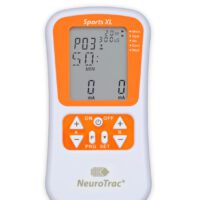
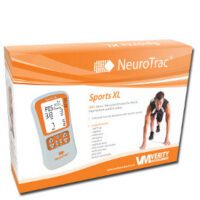
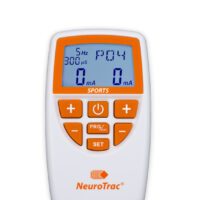
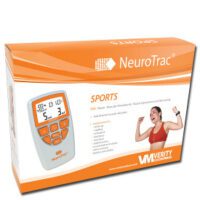
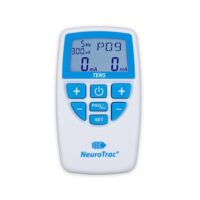
NeuroTrac TENS Machine
$219.00Add to cartQuick View - EMS Machines, Pain Management, TENS Machine, TENS Machine & EMS
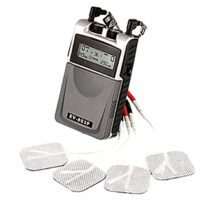
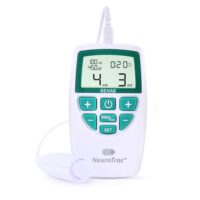
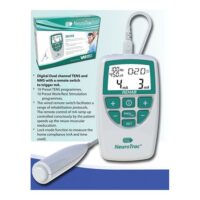
NeuroTrac Rehab (TENS Machine + EMS)
$299.95Add to cartQuick View -





References
- Saad MA, Jamal JM, Aldhafiri AT, et al. Medial Tibial Stress Syndrome: A Scoping Review of Epidemiology, Biomechanics, and Risk Factors. Cureus. 2025;17(3):e81463. doi:10.7759/cureus.81463
- Deshmukh NS, Phansopkar P. Medial Tibial Stress Syndrome: A Review Article. Cureus. 2022;14(7):e26641. doi:10.7759/cureus.26641
- Menéndez C, Batalla L, Prieto A, et al. Medial Tibial Stress Syndrome in Novice and Recreational Runners: A Systematic Review. Int J Environ Res Public Health. 2020;17(20):7457. doi:10.3390/ijerph17207457
- Naderi A, et al. Effects of Integrating Lower-Leg Exercises Into a Multimodal Therapeutic Approach on Medial Tibial Stress Syndrome Management Among Recreational Runners: A Randomized Controlled Study. Orthop J Sports Med. 2025;13(2):23259671241311849.
