
Sinding Larsen Johansson Syndrome
Lower kneecap pain in active kids and teens during growth.


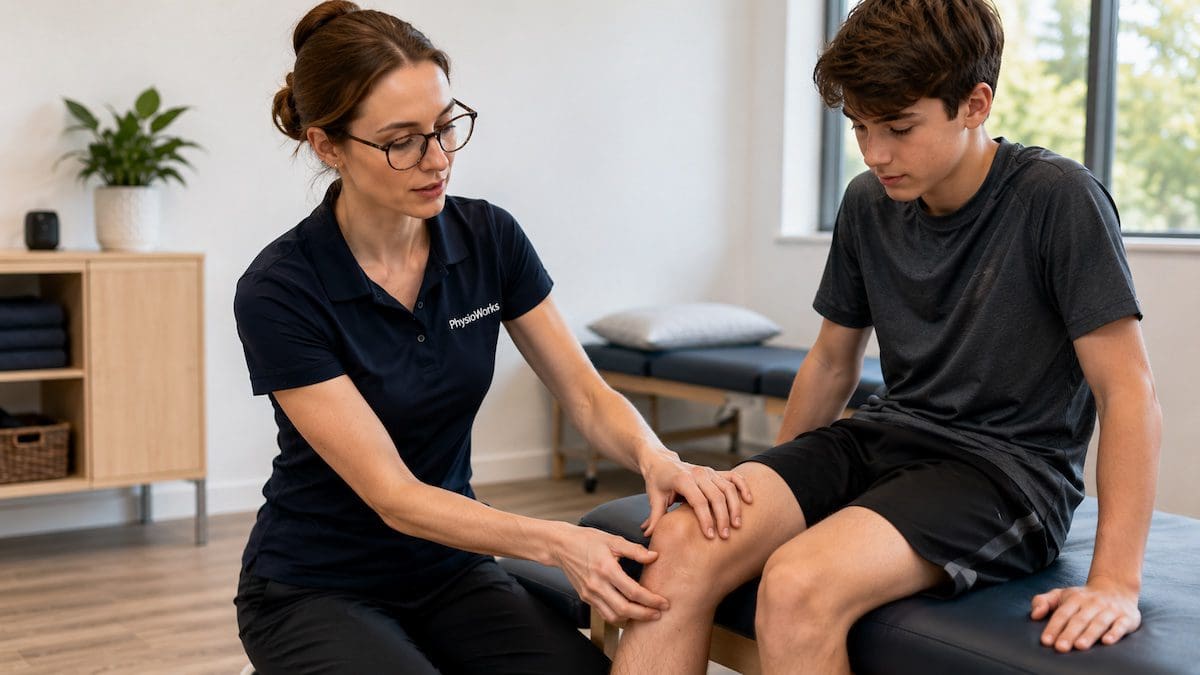
Sinding Larsen Johansson Syndrome is a growth-related knee pain problem. It causes pain at the lower edge of the kneecap where the kneecap tendon attaches. It most often affects active kids and teens during a growth spurt.
Running, jumping, kicking and sudden changes in training load can make the area sore. The pain often settles with load changes, strength work and a safe return-to-sport plan.
Quick Summary
- SLJ affects the lower kneecap growth area in active young athletes.
- Pain usually sits at the bottom edge of the kneecap.
- Jumping, sprinting, stairs and kneeling often make signs worse.
- Most kids improve with sport load changes and guided rehab.
- A limp, swelling or pain that keeps worsening needs a check.
What Is Sinding Larsen Johansson Syndrome?
Sinding Larsen Johansson Syndrome, often shortened to SLJ, is traction pain at the lower pole of the kneecap. Traction means repeated pulling force. In this case, the force comes from the thigh muscles through the kneecap tendon.
During growth, the tendon attachment can be more sensitive. Sport load may then irritate the area faster than the young athlete can adapt.
SLJ is close in pattern to Osgood-Schlatter Disease. However, Osgood-Schlatter pain sits lower, on the bony bump at the top of the shin. Pain around or behind the kneecap may fit Patellofemoral Pain Syndrome instead.
What Causes SLJ?
SLJ starts when repeated sport load pulls on the lower kneecap. This often happens when growth, tight muscles and high training load occur at the same time.
Common risk factors include:
- fast growth during puberty
- more running, jumping or kicking than usual
- sudden changes in training load
- tight thigh, hamstring or calf muscles
- poor landing control or reduced shock absorption
- reduced hip, knee, ankle or foot control
Signs of Sinding Larsen Johansson Syndrome
Kids usually feel a clear sore spot at the lower edge of the kneecap. Pain often builds during sport and settles with rest.
Signs may include:
- pain at the bottom of the kneecap with running, jumping or kicking
- tenderness where the kneecap tendon joins the kneecap
- pain with stairs, squats or kneeling
- swelling around the lower kneecap
- tightness through the front of the thigh or calf
- limping after sport or the next day
Is It SLJ or Another Knee Problem?
| Pain spot | Possible match |
| Bottom edge of the kneecap | Sinding Larsen Johansson Syndrome |
| Bony bump at the top of the shin | Osgood-Schlatter Disease |
| Around or behind the kneecap | Patellofemoral Pain Syndrome |
| Below the kneecap in older teens or adults | Patellar tendinopathy |
When Should Parents Seek Assessment?
Arrange a physio or medical check if knee pain:
- causes a limp during or after sport
- lasts more than one to two weeks
- keeps returning when training restarts
- limits running, jumping, stairs or school sport
- causes clear swelling around the kneecap
- worsens during a growth spurt
Seek medical advice sooner if your child has night pain, fever, major swelling, a fall or collision, or cannot weight-bear.
How Is Sinding Larsen Johansson Syndrome Diagnosed?
A physio or doctor can often diagnose SLJ from the pain location, growth history, sport load and movement tests. Imaging, such as X-ray or MRI, is not always needed. It may help when signs are severe, unusual or not improving.
For general knee tendon advice, MedlinePlus has a useful patellar tendon resource.
Your physio may check:
- tenderness at the lower kneecap
- pain with squatting, step-downs, hopping or jumping
- hip, thigh and calf strength
- landing control and knee alignment
- mobility through the thigh and calf
- foot posture, shoes and sport load
What Sports Commonly Trigger SLJ?
SLJ is common in sports with repeated jumping, sprinting, kicking and fast changes of way.
Common sports include basketball, soccer, netball, volleyball, gymnastics, athletics and tennis. It can also occur when a young athlete adds extra training sessions too quickly.
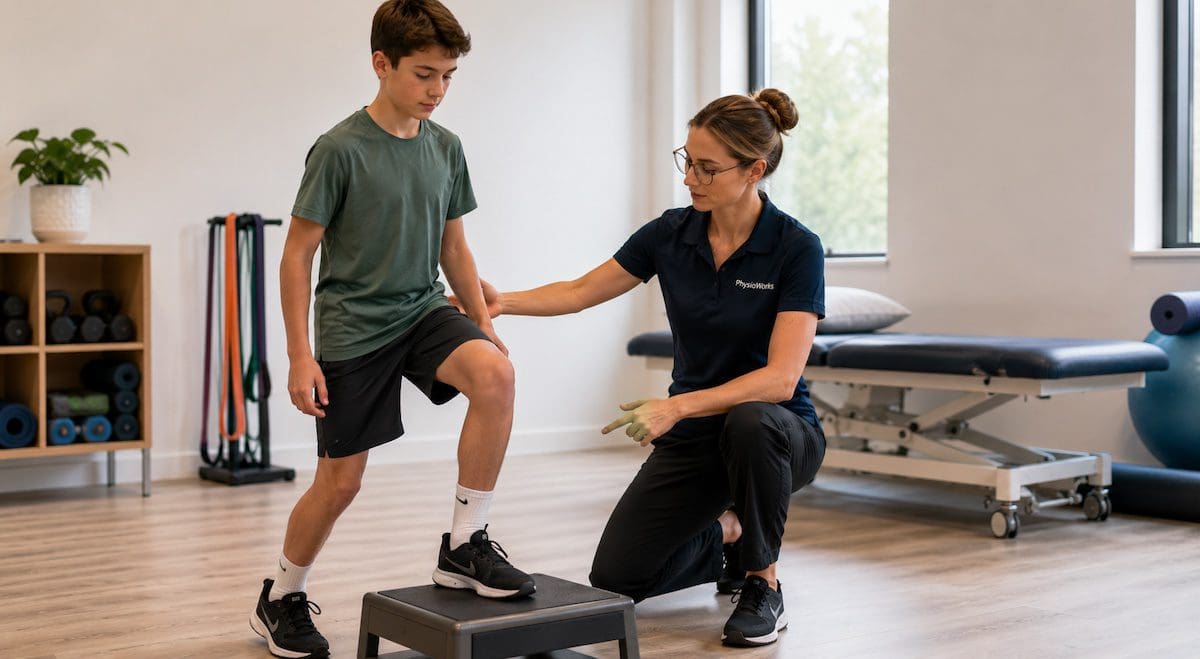
Treatment for Sinding Larsen Johansson Syndrome
Treatment aims to calm pain, protect the growth area and rebuild load tolerance. Most kids do not need full rest. They usually need the right mix of changed sport, exercise and recovery.
Phase 1 — Settle Pain
- reduce jumping, sprinting and painful drills for a short time
- keep easy sport, such as cycling or swimming, if it suits
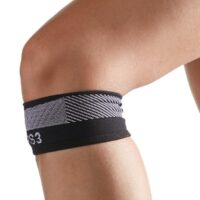
- trial taping or an infrapatellar strap where safe
- use ice after sport if it helps signs
- avoid using pain relief to push through worsening pain
Phase 2 — Restore Movement
Growth spurts can make the thigh and calf feel tight. Gentle mobility work may help, but strong or painful stretching is not the answer. The plan should match your child’s signs.
Phase 3 — Build Strength
Strength work helps the knee handle sport load again. Your physio may target the thigh, hamstrings, glutes, calf muscles and foot control.
Typical Rehab Steps
- Settle pain and reduce overload.
- Restore easy movement and basic control.
- Build hip, thigh and calf strength.
- Practise squats, step-downs and landing control.
- Return to running, jumping and sport in stages.
Phase 4 — Return to Sport
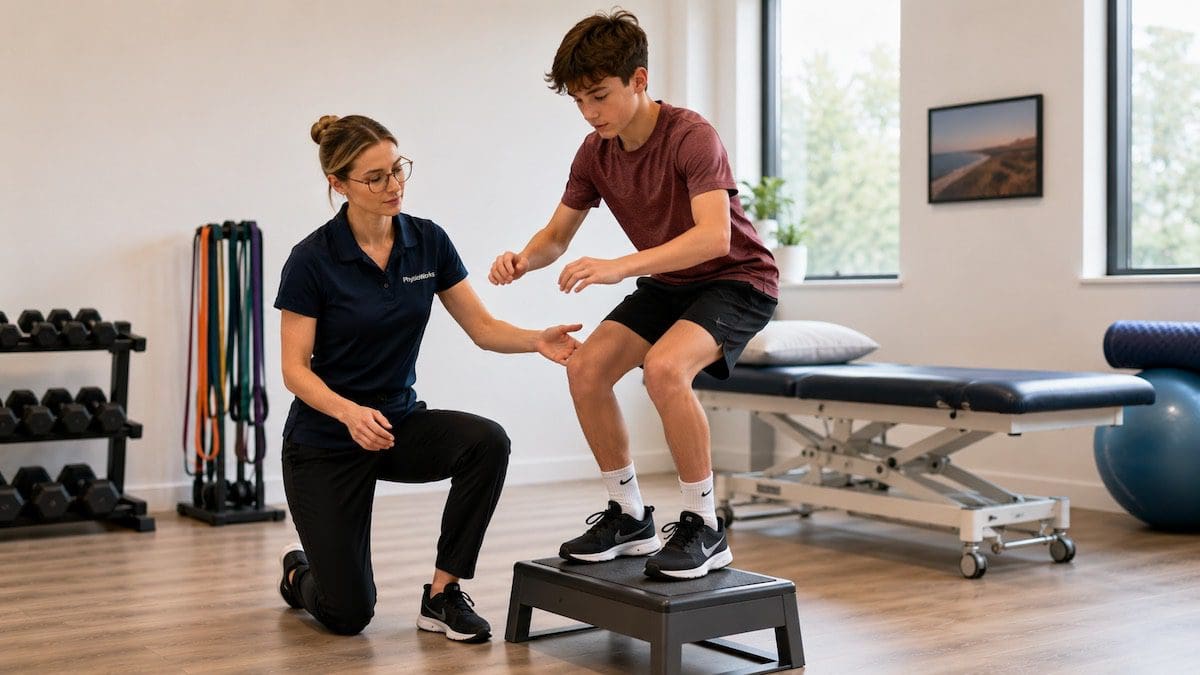
Return to sport should be gradual. Your child may start with lower-load drills, then progress to running, jumping, landing and change-of-way tasks.
A simple guide is the 24-hour response. Pain should stay mild during sport and should not be worse the next day. If pain lingers, training load is likely too high.
Prognosis
SLJ is often self-limiting. This means it often settles as the kneecap growth area matures. Many kids improve within 6 to 14 weeks when sport load is adjusted and rehab is followed.
Some athletes need longer if they keep training through pain, have a fast growth spurt or return to jumping too soon.
What To Do Next
If your child has lower kneecap pain with sport, book a physio check. A physio can check the pain source, review training load and guide a safe return-to-sport plan.
Early advice can help when pain affects running, jumping, stairs, school sport or trust.
Choose your clinic and appointment pathway
Select a PhysioWorks clinic to continue to live booking, an appointment request or reception assistance.
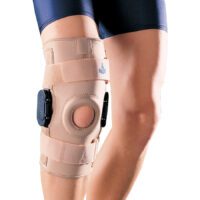
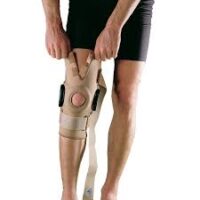
Knee Support Products
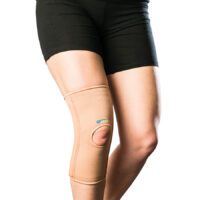
These knee support products are commonly used by our physiotherapists to help reduce strain, improve stability, and support your recovery at home.
- Liniments & Gels, Massage Liniments, Pain Management
Fisiocrem
$16.95 – $39.95Select optionsQuick View -
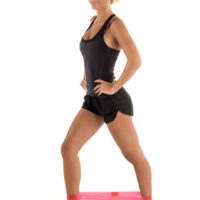
- Exercise Equipment, Resistance Band
POW.R Wide Fabric Loop Resistance Band
$14.95 – $49.95Select optionsQuick View -
-
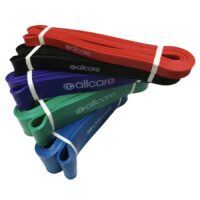
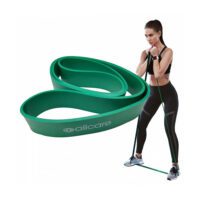 Exercise Equipment, Resistance Band
AllCare Powerloop Bands
$22.00 – $65.00Select optionsQuick View -
-


-
-
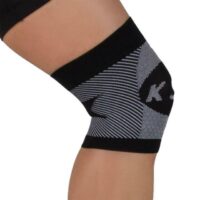
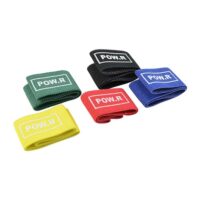 Exercise Equipment, Knee, Resistance Band
POW.R Fabric Mini Loop Bands
$12.00 – $55.00Select optionsQuick View -
-

 Braces & Supports, Ice & Heat, Knee, Pain Management
Victor Pro Ice Bag Wrap
$58.00Add to cartQuick View -

 Calf, Elbow, Ice & Heat, Knee, Pain Management
Victor Elastic Cold Sleeve
$44.00 – $60.00Select optionsQuick View -
- EMS Machines, Pain Management, TENS Machine, TENS Machine & EMS
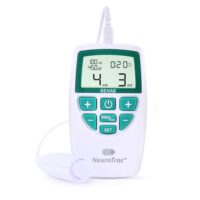
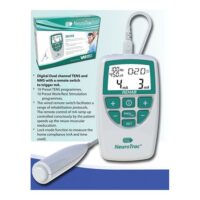
NeuroTrac Rehab (TENS Machine + EMS)
$299.95Add to cartQuick View -


Related Articles
- Kids Leg Pain: Understanding Youth Injuries
- Osgood-Schlatter Disease
- Patellofemoral Pain Syndrome
- Quadriceps Tendinopathy
- Patellar Tendinopathy
- Avulsion Fracture Recovery
- Knee Pain Causes
- Running Injuries
Follow PhysioWorks
Follow PhysioWorks for tips on youth sports injuries, knee pain, safe training loads and return-to-sport advice for growing athletes.


Frequently Asked Questions
What causes Sinding Larsen Johansson Syndrome?
Sinding Larsen Johansson Syndrome is caused by repeated pulling force at the lower edge of the kneecap during growth. Running, jumping and fast training changes can increase this load.
How long does SLJ take to heal?
Many kids improve within 6 to 14 weeks with load changes and rehab. Full resolution often occurs when the kneecap growth area matures.
Should children rest completely with SLJ?
Complete rest is not always needed. Many kids can stay active with changed sport, low-impact exercise and a clear plan for returning to running and jumping.
Is Sinding Larsen Johansson Syndrome serious?
SLJ can be painful, but it is often self-limiting. A check is still useful if pain causes limping, swelling, loss of sport trust or repeated flare-ups.
What is the best treatment for SLJ?
Treatment often includes sport load changes, strength work, mobility advice and staged return to sport. The plan should match the child’s pain, growth stage and sport needs.
Can children keep playing sport with SLJ?
Some kids can keep playing changed sport if pain stays mild and settles quickly. Pain that lasts into the next day, worsens or causes limping needs review.
References
- Maruszczak K, Madej T, Gawda P. Lower limb osteochondrosis and apophysitis in young athletes: a comprehensive review. Applied Sciences. 2024;14(24):11795.
- Wilczyński B, Taraszkiewicz M, de Tillier K, Biały M, Zorena K. Sinding-Larsen-Johansson disease: clinical features, imaging findings, conservative treatments and research perspectives—a scoping review. PeerJ. 2024;12:e17996.
- Brenner JS, Watson A; Council on Sports Medicine and Fitness. Overuse injuries, overtraining, and burnout in young athletes. Pediatrics. 2024;153(2):e2023065129. doi:10.1542/peds.2023-065129.
- Rathleff MS, Rathleff CR, Holden S, Thorborg K, Olesen JL. Pain, sports participation, and physical function in adolescents with patellar tendon related pain and Osgood-Schlatter disease. J Orthop Sports Phys Ther. 2020;50(6):320-328.
