
Spinal Stenosis


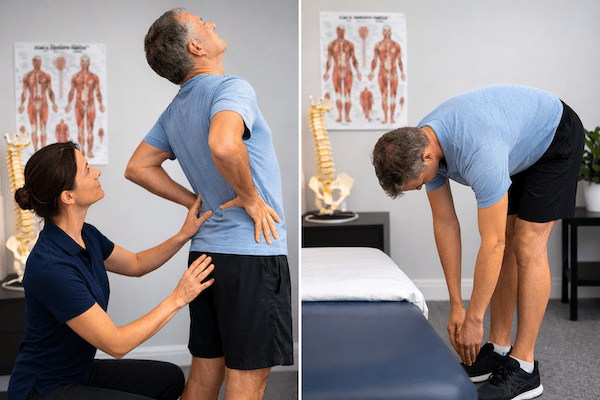
Spinal stenosis means the spaces inside the spine become narrow. This can place pressure on the spinal cord or nearby nerves. It often sits within the broader group of spinal pain conditions.
In the lower back, it may cause back pain, leg pain, tingling, weakness, or a heavy feeling in the legs. It may occur with lower back pain, sciatica, or disc changes such as a bulging disc.
Many people feel worse when they stand or walk. They often feel better when they sit, bend forward, or lean on a trolley. Care usually aims to improve movement, strength, walking tolerance, and confidence.
Quick Signs
- Leg pain, heaviness, or tingling with walking.
- Symptoms that build when standing tall.
- Relief when sitting or bending forward.
- Reduced walking distance.
- Back and leg symptoms together.
What Is Spinal Stenosis?
Spinal stenosis is narrowing of the spinal canal. The spinal canal is the tunnel that protects the spinal cord and nerve roots. When this space becomes tight, nerves may become sore or irritated.
The condition most often affects the lower back. Symptoms often build when standing or walking. They often ease when sitting or bending forward.
The National Library of Medicine overview of lumbar spinal stenosis explains how canal narrowing can affect pain, sensation, and walking.
What Causes Spinal Stenosis?
This problem can have more than one cause. In many people, it develops as the spine changes with age and load.
Common causes include:
- Age-related spinal change.
- Thick spinal ligaments.
- Bone spurs.
- Loss of disc height.
- Degenerative disc disease.
- Disc bulges or herniations.
- Spondylosis and spinal joint arthritis.
What Are the Symptoms?
Symptoms depend on where the canal is narrow and which nerves are affected. In the lower back, symptoms often build with standing or walking.
Common symptoms include:
- Lower back, buttock, or leg pain.
- Numbness or tingling in the legs or feet.
- Leg weakness.
- Pain that worsens with standing or walking.
- Relief when sitting or bending forward.
- Reduced walking distance.
- Changed reflexes during a clinical check.
When the narrowing affects nerve roots, symptoms can overlap with sciatica.
Seek urgent medical advice if you notice worsening leg weakness, numbness around the groin or saddle area, or loss of bladder or bowel control.
These signs can suggest serious nerve pressure and need prompt care.
Why Does Spinal Stenosis Cause Walking Pain?
A common pattern is called neurogenic claudication. This means nerve symptoms build when you stand or walk because the nerves have less room in upright postures.
People may feel aching, heaviness, tingling, or weakness in one or both legs. Many feel better when they sit, lean forward, or rest on a trolley.
This pattern can help separate spinal stenosis from other back and leg problems, such as lumbar facet joint pain or a simple back strain.
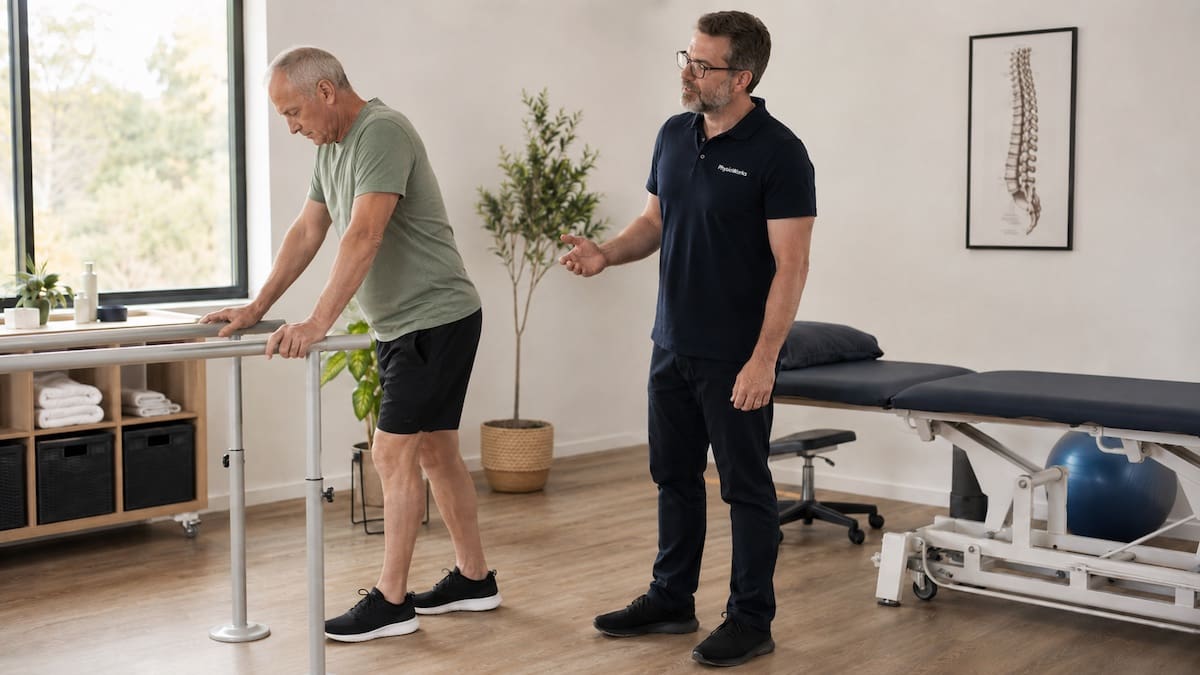
Walking Pattern
| Often worse with | standing tall, downhill walking, long walks, or long periods on your feet. |
| Often easier with | sitting, bending forward, leaning on a trolley, pacing, or cycling. |
| Main care goal | better comfort, strength, walking tolerance, and confidence. |
How Is Spinal Stenosis Diagnosed?
A health professional diagnoses spinal stenosis by matching your symptoms with a clinical check. Scan results matter, but they need to fit the way you move and feel.
A check may include:
- Your symptom history and walking limits.
- Spinal movement tests.
- Leg strength and reflex checks.
- Sensation tests.
- MRI or CT scans when needed.
Imaging can show where the canal is narrow. It can also show linked issues such as disc bulges, joint change, or nerve pressure.
Spinal Stenosis Treatment
Spinal stenosis treatment aims to reduce nerve irritation and improve daily function. Care often includes education, activity changes, pacing, and exercise.
A physio may suggest:
- Posture and movement training.
- Gentle mobility work.
- Core stability training.
- Hip, trunk, and leg strength work.
- Walking pacing or cycling when suitable.
- Changes to tasks that flare symptoms.
Other care may include medicine, injections, or a medical review. Surgery may be discussed if symptoms are severe, worsening, or not improving with suitable care.
Can I Keep Walking With Spinal Stenosis?
Many people can keep walking. The key is to find the right dose. Shorter walks with planned rests may work better than one long walk.
Simple Walking Guide
- If symptoms settle fast after sitting: use shorter walks with planned breaks.
- If symptoms build quickly: try shorter intervals, flatter paths, or cycling.
- If weakness is getting worse: seek medical review instead of pushing through.
- If you are unsure: get a tailored assessment before you increase distance.
Prognosis
The outlook depends on symptom severity, walking limits, nerve signs, and general health.
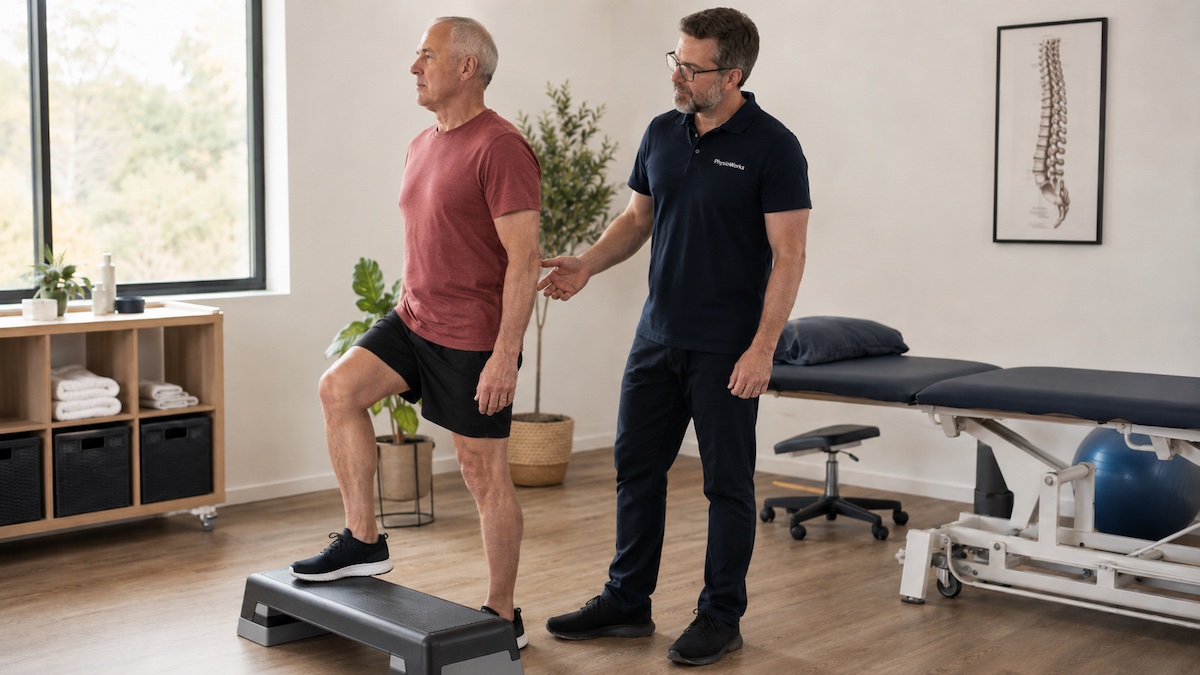
Many people manage symptoms with exercise, pacing, and well-planned strength work. Some people may need injections or a surgical opinion if nerve pressure becomes more limiting.
When Should You Seek Professional Advice?
You should consider a check if you have:
- Back or leg pain that persists.
- Numbness or weakness in the legs.
- Walking trouble due to leg symptoms.
- Symptoms that worsen with standing or walking.
- Repeat flare-ups that limit daily life.
A physio can check spinal movement, nerve signs, and walking tolerance. They can also explain which care options may suit your case.
Related Conditions
- Lower Back Pain.
- Sciatica.
- Bulging Disc.
- Lumbar Facet Joint Pain.
- Degenerative Disc Disease.
- Spondylosis.
Related Information
Spinal Stenosis FAQs
What does spinal stenosis feel like?
Spinal stenosis can feel like back, buttock, or leg pain that builds with standing or walking. Some people also notice leg heaviness, tingling, numbness, or weakness. Symptoms often ease when sitting or bending forward.
Is walking good for spinal stenosis?
Walking can be useful, but it often needs pacing. Shorter walks, planned rest breaks, flatter paths, or cycling may feel better. A physio can help you choose the right amount.
Can spinal stenosis cause sciatica?
Yes. Nerve pressure from canal narrowing can cause leg pain, tingling, numbness, or weakness. This can feel like sciatica. The exact pattern depends on which nerve is affected.
Can spinal stenosis improve without surgery?
Some people manage symptoms without surgery. Care may include pacing, strength work, mobility exercises, and changes to aggravating tasks. Surgery may be discussed if symptoms are severe or getting worse.
What exercises may help spinal stenosis?
Helpful exercise often includes gentle mobility work, trunk and hip strength, leg strength, and walking practice. The plan should match your symptoms, balance, and walking tolerance.
When is spinal stenosis urgent?
Urgent medical review is needed if you develop worsening leg weakness, numbness around the saddle area, or loss of bladder or bowel control. These signs can suggest serious nerve pressure.
What to Do Next
If spinal stenosis is limiting your walking, exercise, or daily tasks, a physiotherapy assessment may help clarify what is driving your symptoms.
Early care often focuses on movement, trunk and leg strength, pacing, and safer walking progressions. It can also help show when further medical review is the right step.
Choose your clinic and appointment pathway
Select a PhysioWorks clinic to continue to live booking, an appointment request or reception assistance.
Back Support Products
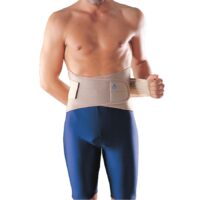
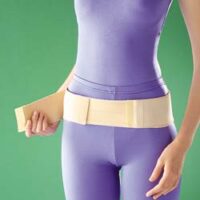
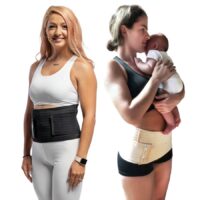
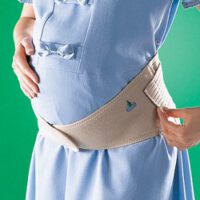
These back support products are commonly used by our physiotherapists to help reduce back pain, improve comfort, and support your recovery at home.
-
-
 Back, Braces & Supports, Maternity, SIJ
Core Stability Support – OPPO 3462
$54.00Select optionsQuick View -
-
-
 Back, Braces & Supports, Maternity, Posture
Pregnancy Belly Band & C-Section 3-in-1
$94.99Select optionsQuick View -
 Back, Braces & Supports, Maternity, Posture
Maternity Back Support – OPPO 2062
$60.00 – $64.00Select optionsQuick View - Braces & Supports, Back, Maternity, SIJ
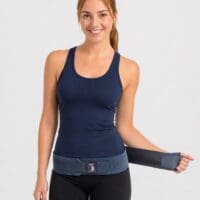
AOM38 AllCare Ortho Core Stability Belt
$49.95Select optionsQuick View -
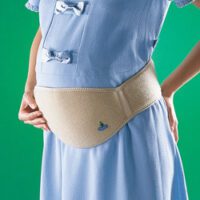 Braces & Supports, Back, Maternity, SIJ
Maternity Support Belt – OPPO 4062
$37.00Select optionsQuick View


References
- Kawakami M, Takeshita K, Inoue G, et al. Japanese Orthopaedic Association (JOA) clinical practice guidelines on the management of lumbar spinal stenosis, 2021 – Secondary publication. J Orthop Sci. 2023;28(1):46-91. doi:10.1016/j.jos.2022.03.013
- Kwon JW, Moon SH, Park SY, et al. Lumbar spinal stenosis: Review update 2022. Asian Spine J. 2022;16(5):789-798. doi:10.31616/asj.2022.0366
- Ammendolia C, Hofkirchner C, Plener J, et al. Non-operative treatment for lumbar spinal stenosis with neurogenic claudication: An updated systematic review. BMJ Open. 2022;12(1):e057724. doi:10.1136/bmjopen-2021-057724
- Comer C, Williamson E, McIlroy S, et al. Exercise treatments for lumbar spinal stenosis: A systematic review and intervention component analysis of randomised controlled trials. Clin Rehabil. 2024;38(3):361-374. doi:10.1177/02692155231201048
