
Spondylolisthesis


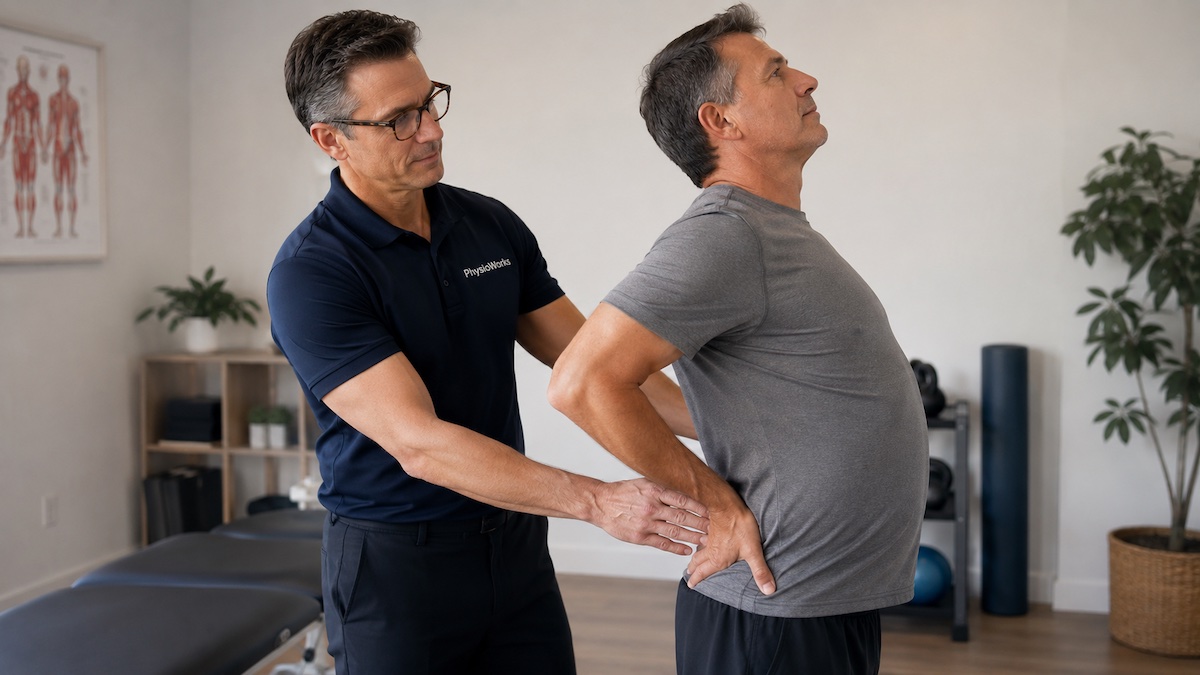
Spondylolisthesis physiotherapy may help settle back pain, improve spinal control, and guide a safe return to activity when one vertebra slips forward over the one below it.
This condition most often affects the lower back. Symptoms can include local back pain, stiffness, reduced walking tolerance, or leg symptoms such as sciatica. Because spondylolisthesis can overlap with common lower back pain patterns, a clear assessment helps match treatment to the real pain driver.
Quick summary: Spondylolisthesis means one spinal bone has slipped forward. A scan can show the slip, but symptoms and function guide treatment decisions.
Common goals: reduce flare-ups, improve trunk and hip strength, protect walking tolerance, and guide safe activity.
Spondylolisthesis Physiotherapy: What You Need to Know
What is spondylolisthesis?
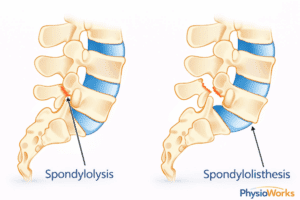
Spondylolisthesis happens when one vertebra slips forward over the vertebra below it. In many cases, it links to a pars stress fracture (spondylolysis) or age-related changes such as degenerative disc disease.
Most slips occur at L5–S1 or L4–L5. Degenerative spondylolisthesis tends to appear later in life. Isthmic spondylolisthesis often follows a pars injury in younger or active people. For a plain-English Australian overview, see Healthdirect’s spondylolisthesis guide.
What causes or triggers spondylolisthesis?
- Isthmic or pars-related: often starts with a stress fracture from repeated back extension and rotation. This can occur in some sports and high training loads.
- Degenerative: gradual joint and disc changes can reduce spinal support and allow a forward slip. It may occur with spinal stenosis.
- Traumatic, dysplastic, or pathological: less common causes. A doctor will assess these if your history, symptoms, or imaging suggest them.
What symptoms can spondylolisthesis cause?
Symptoms vary. Some people have a local low-back ache that flares with standing, walking, lifting, or arching backwards. Others notice buttock pain, leg pain, pins and needles, numbness, or heaviness.
Tight hamstrings, reduced stride length, and a swayback posture can also occur. If your symptoms are mainly nerve-related, your physiotherapist may also check whether your presentation fits sciatica, spinal stenosis, or another back pain pattern.
Common symptom clues
- low-back ache with standing, walking, or back extension
- buttock or leg pain if nearby nerves are irritated
- hamstring tightness or a shorter walking stride
- reduced confidence with lifting, sport, or gym work
- symptoms that improve with rest, position change, or better pacing
How is spondylolisthesis diagnosed?
A clinician will combine your story, physical examination, and imaging when needed. X-rays can show the slip and help grade it. MRI may add detail about discs, nerves, and stenosis.
Importantly, treatment should not be based on the scan alone. A small slip can cause major symptoms in one person and no symptoms in another. Your pain pattern, leg symptoms, walking tolerance, strength, and goals all matter.
What does physiotherapy assess?
| Assessment area | Why it matters |
|---|---|
| Pain behaviour | Shows which positions, loads, or activities trigger symptoms. |
| Walking tolerance | Helps detect load sensitivity, nerve irritation, or stenosis-like patterns. |
| Trunk and hip control | Guides the right level of strength and movement retraining. |
| Nerve signs | Checks leg strength, feeling, reflexes, and signs that need medical review. |
Treatment options
Many people start with conservative care. Treatment usually focuses on reducing pain triggers, restoring confidence in movement, and building support around the lumbar spine and hips.
Physiotherapy may include
- Education: clear advice on loading, pacing, and activity changes so you can keep moving without repeated flare-ups.
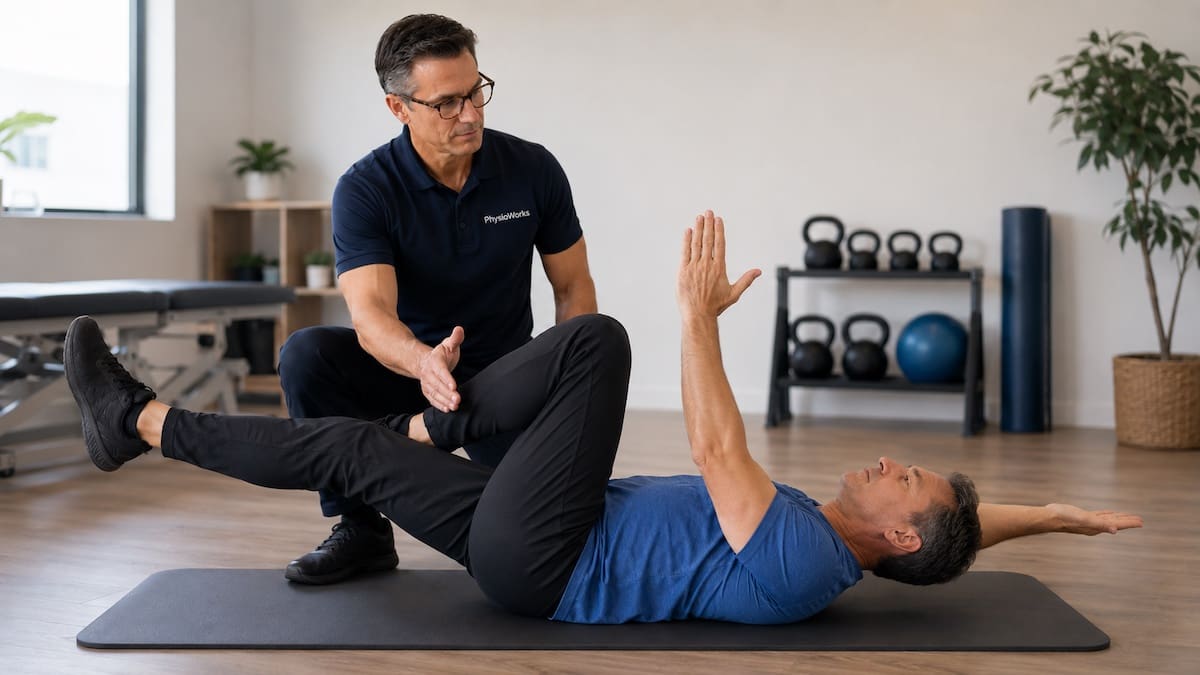
- Strength and control: graded rehab for trunk control and hip strength. Your physio may adapt core stability exercises to your stage.
- Mobility and flexibility: hip mobility and hamstring flexibility work where these limit movement.
- Movement habits: practical changes for work, lifting, sport, and daily life. Start with good back posture advice if sitting or standing triggers symptoms.
Can I keep exercising?
Often, yes. The key is to reduce the exercises that reliably flare symptoms, then rebuild from a safer base.
- Usually OK: short walks, low-load strength work, gentle trunk control, and modified gym exercises.
- Use caution: heavy lifting, repeated back extension, high-impact sport, or sudden spikes in training.
- Get advice: if leg symptoms, weakness, or walking tolerance are getting worse.
Medicines, injections, and short-term supports
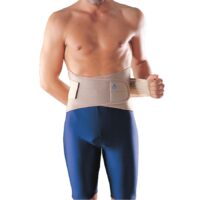
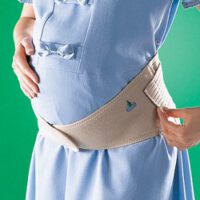
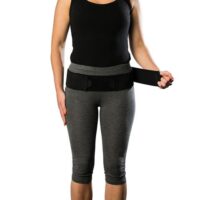
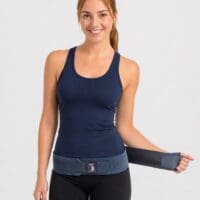
A GP may discuss short-term pain relief where appropriate. Some people also trial taping or a brace for short periods during more demanding tasks. Your physiotherapist can help decide whether support products fit your symptoms, activity level, and goals.
When does surgery become a discussion?
Surgery is not the first step for most people. A doctor may consider surgery if you have worsening nerve signs, severe persistent pain despite well-guided conservative care, or major loss of function. Procedures may include decompression to ease nerve pressure, fusion to support a painful segment, or both.
Rehabilitation progression
| Stage | Main aim | Examples |
|---|---|---|
| Settle | Reduce flare-ups and keep moving. | Short walks, position changes, gentle activation. |
| Build | Improve trunk and hip control. | Dead bug variations, hip strength, modified gym work. |
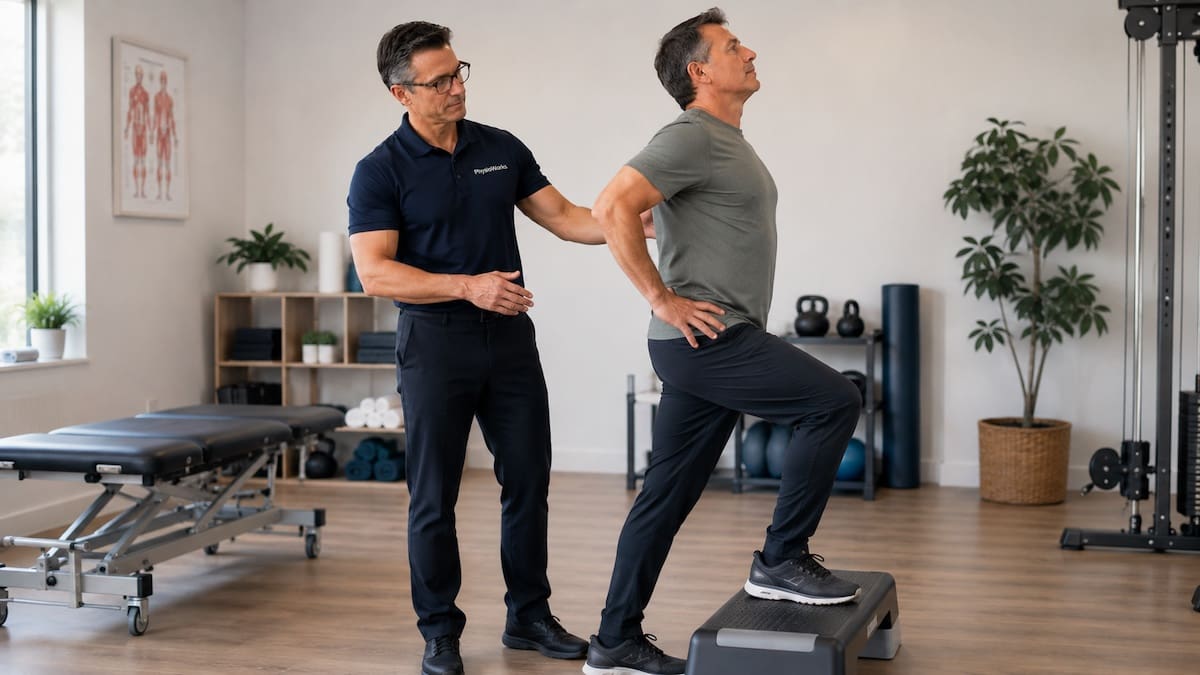
| Progress | Return to daily, work, gym, or sport loads. | Squats, carries, step-ups, and sport-specific progressions. |
Is walking good for spondylolisthesis?
Walking often helps because it keeps you active without heavy spinal loading. However, some people flare with long standing or walking, especially when stenosis contributes. A physiotherapist can adjust your dose, including time, terrain, speed, and rest breaks.
What happens if spondylolisthesis is left untreated?
Some low-grade slips stay stable. However, without a plan, symptoms can drag on and activity levels can drop. In higher-grade cases, or where nerves become irritated, you may notice more leg pain, weakness, or reduced walking and standing tolerance.
Seek urgent medical review if you develop new bladder or bowel changes, genital numbness, or rapidly worsening leg weakness.
Does spondylolisthesis heal on its own?
The slip itself rarely reverses. Even so, symptoms can often improve with education, graded exercise, and better load management. If a pars stress injury sits behind the problem, early management may support healing and reduce the risk of progression.
How can I reduce the risk of progression?
- Build trunk and hip strength gradually.
- Use good technique for lifting and training.
- Avoid sudden spikes in training volume or back-extension load.
- Keep walking and general fitness going where tolerated.
- Review worsening leg symptoms, weakness, or walking limits early.
Frequently Asked Questions
What is spondylolisthesis?
Spondylolisthesis is when one vertebra slips forward over the one below it. It most often affects the lower back. It may relate to a pars stress fracture or age-related spinal changes.
Can spondylolisthesis cause sciatica?
Yes. A slip can irritate or compress nearby nerves. This may cause leg pain, pins and needles, numbness, or weakness. Your assessment should check whether symptoms match sciatica or another cause of leg pain.
Is walking good for spondylolisthesis?
Walking often helps because it keeps you active with relatively low spinal load. If walking increases symptoms, reduce the time or pace and build up gradually with guided strength work.
Do I need surgery for spondylolisthesis?
Many people do not need surgery. Doctors usually consider surgery when there is worsening nerve involvement, severe ongoing pain despite well-guided care, or major loss of function.
What exercises should I avoid with spondylolisthesis?
Avoid exercises that reliably flare symptoms, especially heavy back extension or high-load movements done with poor control. A physiotherapist can modify your program so you keep training safely.
Can spondylolisthesis get worse?
It can progress in some cases, especially higher-grade slips or active pars injuries. Many low-grade slips remain stable. Review worsening pain, leg symptoms, weakness, or walking limits early.
Related articles
What to do next
- If pain keeps returning, book an assessment so we can check likely drivers such as joints, discs, pars stress, nerve irritation, or stenosis.
- Start with tolerable movement, then build gradually.
- Seek urgent medical care if you develop bladder or bowel changes, genital numbness, or rapidly worsening leg weakness.
Book an appointment
Select your nearest PhysioWorks clinic.
Back Support Products
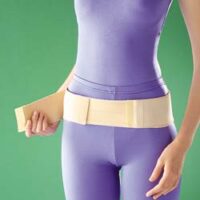
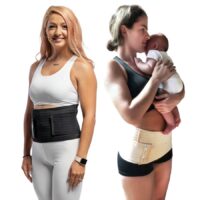
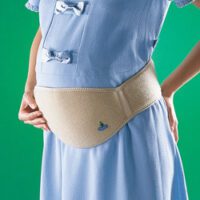
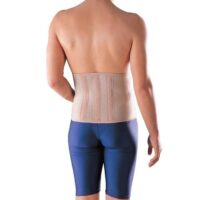
These back support products are commonly used by our physiotherapists to help reduce back pain, improve comfort, and support your recovery at home.
-
 Back, Braces & Supports, Maternity, SIJ
Core Stability Support – OPPO 3462
$54.00Select optionsQuick View - Braces & Supports, Back, Maternity, SIJ
AOM38 AllCare Ortho Core Stability Belt
$49.95Select optionsQuick View -
 Back, Braces & Supports, Maternity, Posture
Pregnancy Belly Band & C-Section 3-in-1
$94.99Select optionsQuick View -
 Braces & Supports, Back, Maternity, SIJ
Maternity Support Belt – OPPO 4062
$37.00Select optionsQuick View -
-
-
 Back, Braces & Supports, Maternity, Posture
Maternity Back Support – OPPO 2062
$60.00 – $64.00Select optionsQuick View -


References
- Lin LH, Lin TY, Chang KV, Wu WT, Özçakar L. Effectiveness of Lumbar Segmental Stabilization Exercises in Managing Disability and Pain Intensity Among Patients With Lumbar Spondylolysis and Spondylolisthesis: A Systematic Review and Meta-analysis of Randomized Controlled Trials. Spine (Phila Pa 1976). 2024;49(21):1512-1520. doi:10.1097/BRS.0000000000004989.
- Kim K, Yan D, Bauer BA, et al. Nonsurgical Integrative Treatments for Symptomatic Degenerative Lumbar Spondylolisthesis: A Multinational Randomized Controlled Clinical Trial. Mayo Clinic Proceedings. 2025. doi:10.1016/j.mayocp.2025.05.030.
- Nava-Bringas TI, Romero-Fierro LO, Trani-Chagoya YP, et al. Stabilization Exercises Versus Flexion Exercises in Degenerative Spondylolisthesis: A Randomized Controlled Trial. Physical Therapy. 2021;101(8):pzab108. doi:10.1093/ptj/pzab108.
- Howell HJ, et al. Evidence-Based Guidelines for the Surgical Management of Degenerative Lumbar Spondylolisthesis. Neurosurgery Clinics of North America. 2026;37(1):1-25. doi:10.1016/j.nec.2025.09.001.
