
Stress Fracture


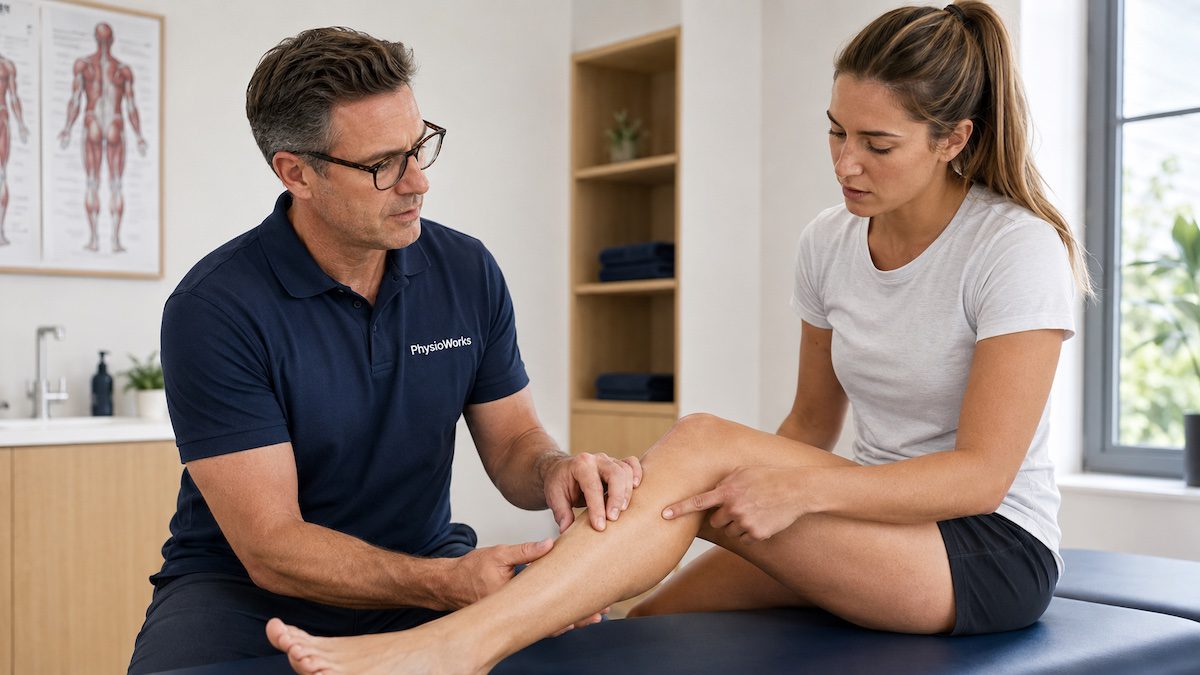
Stress fracture physiotherapy may help identify bone stress injury early, reduce aggravation, and guide a safer return to training. A stress fracture sits within the broader fractures and broken bones cluster, but it usually develops from repeated loading rather than one major accident.
A stress fracture is a small crack in bone caused by repeated load building faster than the bone can adapt. It often starts as a bone stress reaction, then worsens if impact continues without enough recovery, fuelling, or load control.
These injuries commonly affect weight-bearing areas such as the tibia in the shin and the metatarsals in the foot. They can also affect the spine, such as spondylolysis. If fuelling and recovery may be part of the picture, our guides to Relative Energy Deficiency in Sport (RED-S) and sports health are also useful.
Common signs that fit a bone stress pattern include:
- pain you can point to with one finger
- pain that builds with running or jumping
- bone tenderness when you press the spot
- pain that starts earlier or lingers longer after training
- symptoms that begin to hurt with walking or at rest
What is a stress fracture?
A stress fracture is a bone overload injury caused by repeated loading rather than one major accident. It usually develops when training volume, intensity, or impact rises too quickly, and the bone does not get enough time, fuel, or recovery to keep up.
What does a stress fracture feel like?
A stress fracture usually feels like localised pain in one small area of bone that flares with impact and settles with rest. As it becomes more irritated, the pain often starts earlier, lingers after exercise, and may hurt with walking or at rest.
Many people notice:
- pain you can point to with one finger
- bone tenderness when you press the spot
- swelling around the shin or foot
- pain that increases with running, jumping, or repeated loading
- reduced tolerance to training sessions that were previously manageable
Stress fracture vs shin splints
- Stress fracture: more localised bone pain you can often point to with one finger
- Shin splints: broader, more diffuse pain along the shin
- Stress fracture: more likely to worsen with impact and eventually hurt with walking or rest
- Shin splints: often warms up slightly, at least early on
Where do stress fractures happen?
Stress fractures are common in the lower limb because those bones absorb repeated load with running, jumping, and field sports. The shin and foot are frequent sites, especially the tibia and metatarsals. They can also occur in the ribs, pelvis, femoral neck, navicular, and lumbar spine.
Common comparison pages include tibial stress fracture, foot stress fracture, shin splints, femoral neck stress fracture, and cricket stress fracture.
What causes a stress fracture?
A stress fracture usually happens when repeated load outpaces bone recovery. Training errors are common, but low energy availability, poor recovery, strength deficits, footwear issues, and lower bone health can all raise the risk.
Common contributors include:
- training spikes such as too much, too soon, or too fast
- hard surfaces or sudden surface changes
- worn or unsuitable shoes
- low energy availability or under-fuelling for training load
- low vitamin D, calcium, or bone density concerns
- strength and movement deficits such as poor calf capacity, hip weakness, or reduced shock absorption
- insufficient rest, poor sleep, or not enough recovery between sessions
Training load matters because bones need time to adapt to impact. Our exercise load management guide explains how volume, intensity, pace, terrain, recovery, and impact can influence training tolerance.
Why do RED-S and bone health matter?
Bone needs adequate fuel as well as sensible load. When energy intake does not match training demands, bone recovery can suffer and the risk of bone stress injury can rise. This is one reason clinicians also consider RED-S and, in some cases, broader bone health issues such as osteoporosis or osteopenia.
Could this be a stress fracture?
A stress fracture is more likely when pain is focal, easy to pinpoint, and clearly worsens with impact. If pain is becoming more localised, starts earlier in a session, or begins to hurt with walking, it is worth getting checked early rather than trying to push through.
When should you stop impact and get checked?
You should stop running, jumping, and other impact work when pain becomes more localised, lingers after exercise, or starts to hurt with walking. These features fit a more irritable bone stress pattern and raise the risk of the injury worsening if you keep loading it.
Get checked sooner if:
- you are limping
- walking is painful
- pain is worsening despite rest
- the painful site may be high risk, such as the femoral neck or navicular
- night pain or persistent pain at rest is developing
How is a stress fracture diagnosed?
A stress fracture is diagnosed from the history, pain pattern, and a targeted physical assessment. Imaging may help when the site is higher risk, the diagnosis is unclear, or pain is not settling as expected.
Your physiotherapist will usually assess your training history, pain behaviour, tenderness, strength, mobility, and movement pattern. X-rays can be normal early on, so MRI is often the preferred scan when a bone stress injury is strongly suspected. For general imaging guidance, Healthdirect also outlines how MRI scans are used in clinical care.

How can physiotherapy help a stress fracture?
Stress fracture treatment usually starts by reducing impact loading so the bone can calm down and heal. From there, rehabilitation focuses on protecting the site, maintaining fitness, improving strength and control, and gradually rebuilding impact tolerance.
In many cases, treatment includes:
- relative rest from running and jumping
- load management using clear pain and progression rules
- cross-training such as cycling, swimming, or deep-water running where suitable
- strength and control work for the calves, hips, trunk, and foot-ankle complex
- graded return to running when walking is comfortable and tests settle
- risk-factor correction including footwear, training plan, recovery, and fuelling
Physiotherapy for a stress fracture often includes education, pain-guided progression, strength work, and a staged return plan. If your symptoms sit closer to a broader overload pattern, our guide to overuse injuries may also help. When healing progresses, post-fracture physiotherapy helps guide movement, strength, and return-to-sport decisions.
Which stress fractures are higher risk?
Not all stress fractures behave the same. Some sites usually respond well to sensible load management, while others carry a higher risk of delayed healing or complications.
- Lower-risk sites often include the fibula and many tibial or metatarsal injuries.
- Higher-risk sites often include the femoral neck, navicular, anterior tibial cortex, and fifth metatarsal.
This matters because higher-risk injuries may need earlier imaging, stricter protection, and closer medical review. Early assessment helps match the plan to the site and injury grade.
Should you keep running with a stress fracture?
In most cases, continuing to run on a stress fracture is a poor idea because repeated impact can slow healing and increase the injury grade. Many people do better when they stop impact early, keep fitness with lower-impact options, and return to running in planned stages.
How can you prevent a stress fracture?
Prevention centres on smart load progression, good recovery, and strong tissues that tolerate repeated impact. It also helps to fix the common background factors that make bone overload more likely.
- build weekly training volume gradually
- avoid sudden jumps in speed, hills, or plyometrics
- alternate high-impact days with low-impact sessions
- strength train two to three times per week
- replace worn-out footwear and match shoes to your sport
- fuel training properly and address RED-S early
- monitor pain patterns instead of pushing through focal bone pain
Stress fracture FAQs
Can I walk on a stress fracture?
Sometimes you can walk on a stress fracture in the early stage, but painful walking is a sign the bone is not coping well with load. If walking increases pain, causes limping, or brings on night pain, you may need a period of reduced weight-bearing and medical review.
How long does a stress fracture take to heal?
Healing time depends on the bone involved, the injury grade, and whether the site is low risk or high risk. Many lower-risk stress fractures improve over about 6 to 12 weeks, while higher-risk sites often need a longer and more cautious pathway.
Do I need an MRI for a stress fracture?
Not always. MRI is often used when the diagnosis is uncertain, when symptoms are not settling, or when the painful site is considered higher risk. Early X-rays can look normal, so MRI is often the more useful scan when bone stress injury is suspected.
What is the difference between shin splints and a stress fracture?
Shin splints usually cause a broader, more diffuse pain pattern along the shin, while a stress fracture tends to create a more localised finger-point area of bone pain. A shin splints page can help compare the patterns more clearly.
When should you worry about a stress fracture?
You should take it seriously if pain becomes more localised, starts earlier, lasts longer after exercise, or begins to hurt with walking or at rest. These signs suggest the bone is becoming more irritated and should not be managed like ordinary post-training soreness.
How do you return to running after a stress fracture?
Return to running usually starts only when walking is comfortable and key clinical tests have settled. Most plans reintroduce impact gradually, mix running with low-impact conditioning, and progress volume step by step rather than jumping straight back into full training.
Related articles
Fracture and rehabilitation guides
Spinal and rib stress injuries
Lower limb stress injuries
- Femoral neck stress fracture
- Tibial stress fracture
- Foot stress fracture
- Shin splints
- Medial tibial stress syndrome
- Anterior tibial stress syndrome
Ready to rebuild impact safely?
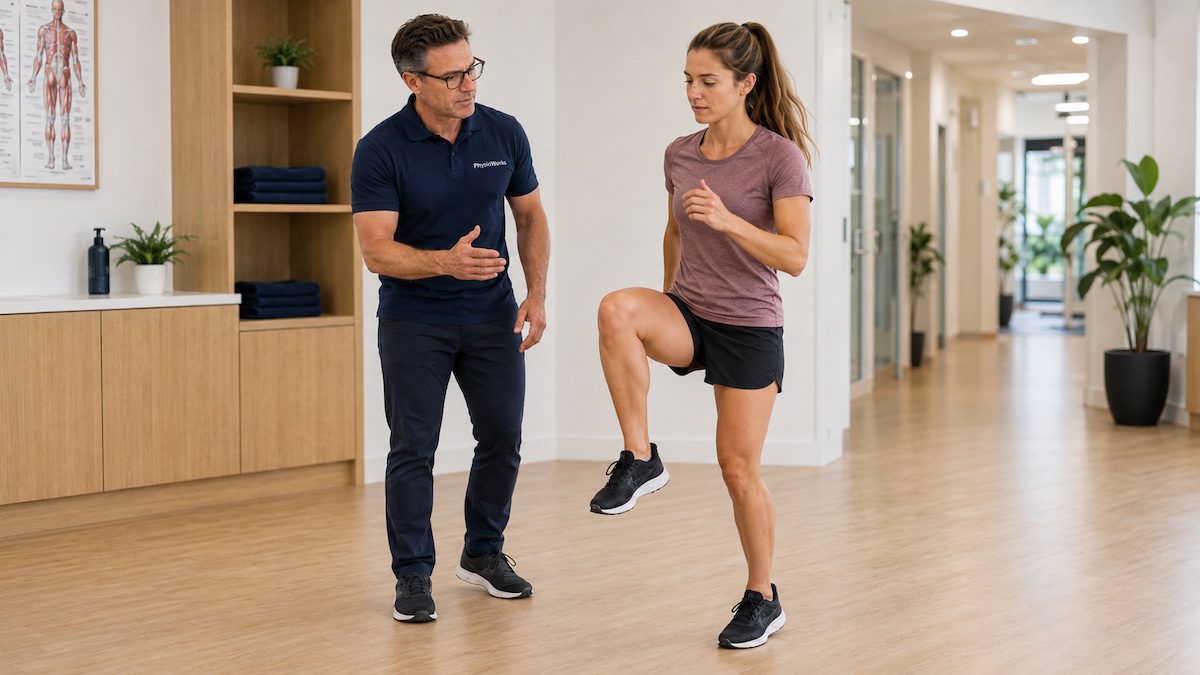
Stress fracture recovery usually works best with a staged plan. Once symptoms settle, your physiotherapist can help rebuild walking, strength, hopping, running, and sport-specific loading in the right order.
What to do next
If you suspect a stress fracture, reduce impact early and arrange an assessment. A physiotherapist can help work out whether your symptoms fit a bone stress pattern, identify contributing factors, and guide a safe return-to-training plan.
If your pain is severe, you are limping, or the site may be high risk, your physiotherapist may recommend prompt GP or sports doctor review and imaging.
Choose your clinic and appointment pathway
Select a PhysioWorks clinic to continue to live booking, an appointment request or reception assistance.
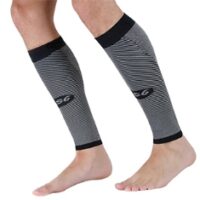
Helpful rehab products: The product options below are most relevant when your stress fracture symptoms involve the shin or lower limb. Your physiotherapist can advise whether any support, strengthening, or recovery product suits your stage.
Shin Products
These shin products are commonly used by our physiotherapists to improve comfort, flexibility, strength, and home exercise programs.
- Christmas Gift Ideas, Exercise Equipment, Gift Ideas, Massage Tools, Pain Management
Pocket Physio MAX
$24.95Select optionsQuick View - EMS Machines, Pain Management, TENS Machine, TENS Machine & EMS
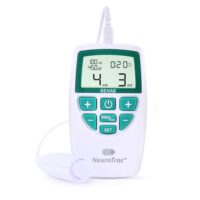
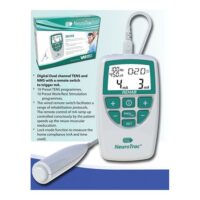
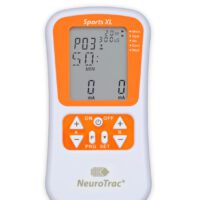
NeuroTrac Rehab (TENS Machine + EMS)
$299.95Add to cartQuick View -
-
-


- Pain Management, Christmas Gift Ideas, Gift Ideas, TENS Machine, TENS Machine & EMS
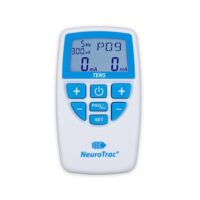
NeuroTrac TENS Machine
$219.00Add to cartQuick View -
-
 Exercise Equipment, Back, Elbow, Foot, Massage Tools, Shoulder
Pocket Physio
$14.95Select optionsQuick View - Liniments & Gels, Massage Liniments, Pain Management
Fisiocrem
$16.95 – $39.95Select optionsQuick View -
-

-
-










References
- Hoenig T, Tenforde AS, Strahl A, Rolvien T, Hollander K. Return to sport following low-risk and high-risk bone stress injuries: a systematic review and meta-analysis. Br J Sports Med. 2023;57(7):427-432.
- Mountjoy M, Burke L, Ackerman KE, et al. 2023 International Olympic Committee’s (IOC) consensus statement on Relative Energy Deficiency in Sport (REDs). Br J Sports Med. 2023;57(17):1073-1097.
- Schroeder JD, Bui KL, Chew FS. Bone stress injuries: diagnosis and management. AJR Am J Roentgenol. 2024;223(6):e243153.
- Hoenig T, Tenforde AS, Strahl A, Rolvien T, Hollander K. Does magnetic resonance imaging grading correlate with return to sports after bone stress injuries? A systematic review and meta-analysis. Am J Sports Med. 2022;50(3):834-844.
