
Swimmer’s Shoulder


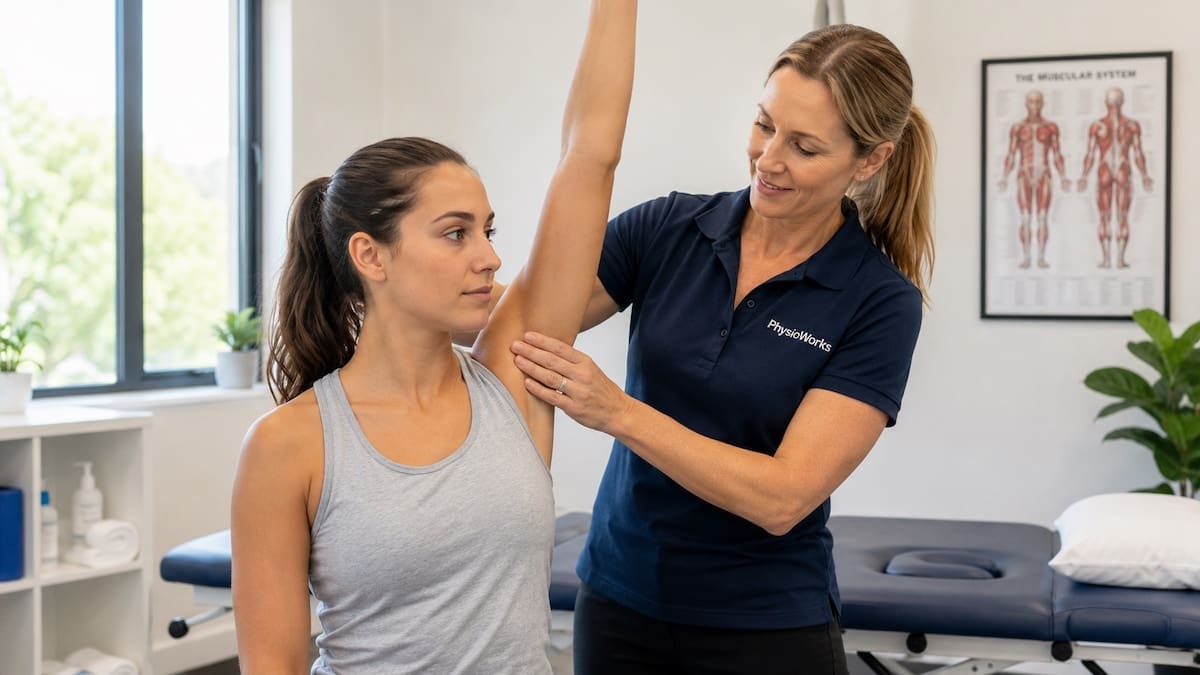
Assessing arm lift control in swimmers.
Swimmer’s shoulder may cause pain that keeps returning in the pool. Pain often builds after many overhead strokes. It can also follow a fast lift in load or a small stroke change. For a wider guide, start with our shoulder pain guide.
Swimmers often feel pain at the front or side of the shoulder. It may hurt during freestyle pull-through. It may also hurt with butterfly, long sets, or lying on the sore side. The pattern can overlap with shoulder impingement or a rotator cuff injury.
A physio can check shoulder movement, strength, blade control, training load, and dryland work. They may also review stroke load and recent training changes. For swim injury context, read our swim injuries guide.
Quick summary: Swimmer’s shoulder is often linked to repeated overhead load, sore tissues, and lower cuff or shoulder blade control.
Useful first step: Reduce the sore load. Keep pain mild. Build strength before adding paddles or hard sets.
Can I Keep Swimming With Swimmer’s Shoulder?
You can often keep swimming if pain stays mild. It should settle within 24 hours. Strength and stroke control should stay steady.
Reduce load if pain is sharp. Also reduce load if pain builds, lasts into the next day, or reduces pull power. Your physio can help you change volume, stroke mix, tools, and rest.
Training Decision Guide
- Keep swimming: pain is mild, stable, and settles within 24 hours.
- Change swimming: pain builds with hard sets, paddles, butterfly, or longer sessions.
- Stop and assess: pain is sharp, night pain rises, strength drops, or the shoulder feels unstable.
What Is Swimmer’s Shoulder?
Swimmer’s shoulder is a broad term for shoulder pain linked to swim load. It may involve the cuff tendons, shoulder bursa, shoulder blade muscles, or a mix.
It is often not one single injury. Load can play a part. So can recovery, strength, movement, and stroke style.
Common Signs of Swimmer’s Shoulder
Symptoms vary by swimmer and stroke. Common signs include:
- pain at the front, side, or deep part of the shoulder
- pain during pull-through, recovery, or hand entry
- less power during the catch or pull phase
- pain after longer or harder sessions
- clicking or catching with pain
- pain when lying on the sore shoulder
Why Do Swimmers Get Shoulder Pain?
Swimming asks the shoulder to repeat overhead movement many times. Pain can start when load rises too fast.
Common contributors include:
- Load spikes: sudden increases in laps, sprint sets, paddles, or pull buoy work.
- Stroke changes: changes in hand entry, crossover, catch timing, or body roll.
- Strength gaps: low cuff or shoulder blade control.
- Movement limits: tight back shoulder or upper-back stiffness.
- Past pain: old shoulder pain can increase flare-up risk.
Shoulder Anatomy That Matters for Swimming
The shoulder joint and shoulder blade need to work together. The shoulder blade is sometimes called the scapula.
If the shoulder blade does not move and hold well, the cuff can work too hard. Our shoulder physio guide and shoulder blade exercises page explain useful starting points.
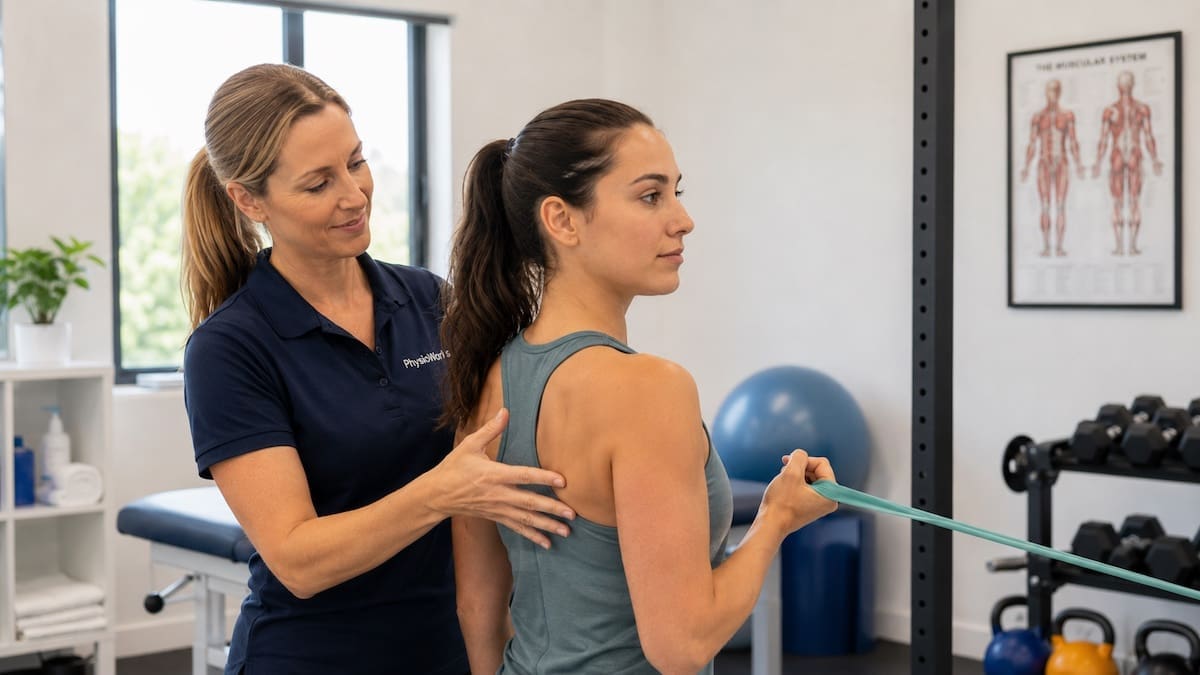
Building cuff and shoulder blade control.
How Is Swimmer’s Shoulder Assessed?
A physio check may test shoulder range, cuff strength, shoulder blade movement, trunk control, and pain behaviour.
Your physio may also ask about paddles, pull buoy use, sprint work, stroke changes, sleep, and recovery. If the shoulder slips or gives way, it may overlap with shoulder instability.
How Physio May Help Swimmer’s Shoulder
Physio care usually focuses on pain drivers, load, strength, and return-to-swim planning. The aim is to help the shoulder handle swimming again.
- Load management: reduce the sets, strokes, or tools that flare symptoms.
- Strength work: rebuild cuff and shoulder blade control.
- Movement retraining: improve shoulder blade timing and arm lift control.
- Training changes: adjust paddles, breathing, kick sets, or stroke mix.
- Manual therapy when useful: support short-term comfort so exercise is easier.
Rehab and Return to Swimming
Most plans use stages. The right pace depends on pain, strength, training level, and next-day response.
| Stage | Goal | Focus |
|---|---|---|
| 1. Settle | Calm pain | Modify sore sets, restore easy range, and keep safe training. |
| 2. Rebuild | Build control | Train the cuff, shoulder blade, trunk, and dryland basics. |
| 3. Reload | Return volume | Add distance, speed, harder strokes, and paddles step by step. |
| 4. Maintain | Reduce relapse | Keep strength work, plan load, and refine stroke control. |
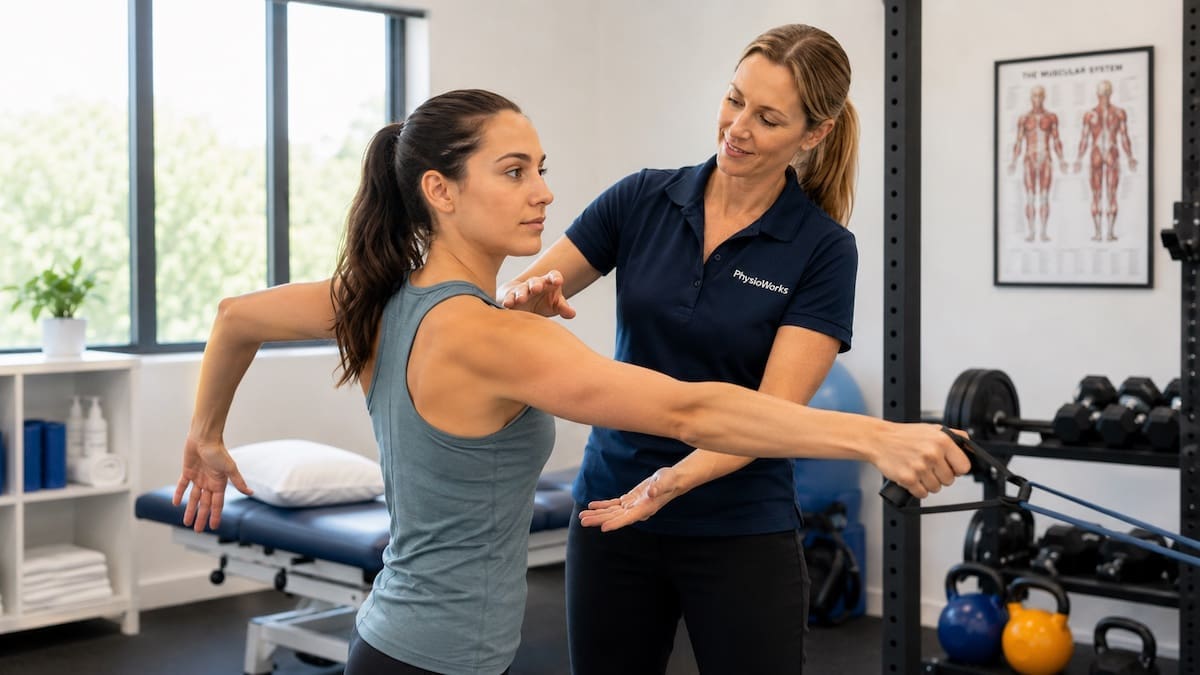
Practising controlled return-to-swim loading.
What Can Swimmers Start Now?
Start with simple steps. Build as symptoms settle.
- Remove the irritant: reduce paddles, sprint sets, and painful strokes for 1–2 weeks.
- Train around pain: keep legs, easy aerobic work, and safe drills going.
- Add strength twice each week: use simple cuff and shoulder blade work.
- Warm up well: use shoulder blade drills and gradual build sets.
- Progress slowly: add volume in small steps, with easier days between hard sessions.
For exercise ideas, see our shoulder exercises guide and cuff exercises page.
Related Guides
- Swim Injuries – common swim injury patterns and prevention tips.
- Shoulder Pain – causes, symptoms, and treatment options.
- Cuff Injury – tendon pain, weakness, and rehab options.
- Shoulder Impingement – arm lift pain triggers and next steps.
- Shoulder Instability – when the shoulder feels unsafe or slips.
- Recovery Tips – sleep, load, and recovery basics.
Swimmer’s Shoulder FAQs
What is swimmer’s shoulder?
Swimmer’s shoulder is shoulder pain linked to swim load. It may involve the cuff, shoulder bursa, shoulder blade muscles, or a mix.
Can I keep swimming with swimmer’s shoulder?
You may keep swimming if pain is mild and settles within 24 hours. Reduce load if pain builds, lasts into the next day, or affects strength.
What causes swimmer’s shoulder?
Common causes include load spikes, stroke changes, low shoulder blade control, cuff fatigue, poor recovery, and past pain.
What exercises help swimmer’s shoulder?
Useful exercises often train cuff strength, shoulder blade control, trunk control, and steady overhead load. The right start depends on your pain and swim load.
How long does swimmer’s shoulder take to settle?
Mild cases may settle within a few weeks. Longer or repeated pain can take more time. Load changes and graded strength work matter.
What To Do Next
Book an assessment if shoulder pain keeps returning, affects sleep, or limits training. A physio can help confirm the likely pain driver. They can also guide your next step.
Your plan should match your squad sessions, stroke demands, strength, and goals. The aim is a steady return. A rushed return can keep flaring pain.
Book your appointment – 24/7
Choose your preferred PhysioWorks clinic and book online.
Shoulder Products
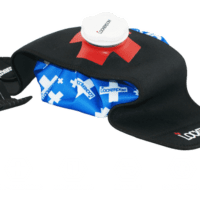
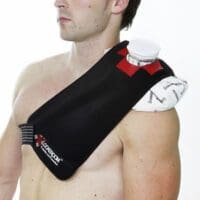
These shoulder products are commonly used by our physiotherapists to improve strength, posture, movement, plus assist home exercise programs.
-

-
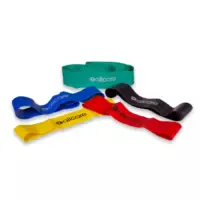
 Exercise Equipment, Knee, Resistance Band
POW.R Fabric Mini Loop Bands
$12.00 – $55.00Select optionsQuick View -
-
-
-

-
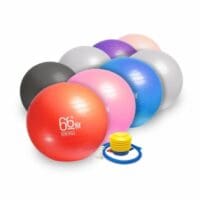
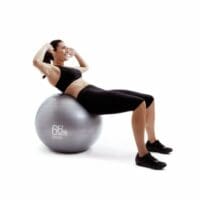 Exercise Balls, Back, Exercise Equipment, Knee, Shoulder
66fit Exercise Balls | Core & Rehab Stability Ball
$32.00 – $57.00Select optionsQuick View -

-

-
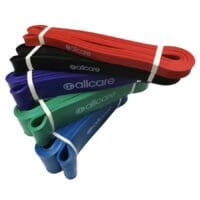
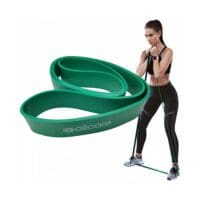 Exercise Equipment, Resistance Band
AllCare Powerloop Bands
$22.00 – $65.00Select optionsQuick View -

-

- Liniments & Gels, Massage Liniments, Pain Management
Fisiocrem
$13.98 – $35.50Select optionsQuick View -
- EMS Machines, Pain Management, TENS Machine, TENS Machine & EMS
NeuroTrac Rehab (TENS Machine + EMS)
$299.95Add to cartQuick View




Follow PhysioWorks
Get free physiotherapy tips, exercise videos, recovery advice, and blog updates.
 |  |  | B |  |  |
References
- McKenzie A, et al. Shoulder pain and injury risk factors in competitive swimmers: a systematic review with best-evidence synthesis. Scand J Med Sci Sports. 2023;33(12):2269-2283. doi:10.1111/sms.14454
- Tavares N, et al. Effect of preventive exercise programs for swimmer’s shoulder injuries. Healthcare. 2025.
- Powell JK, et al. Is exercise therapy the right treatment for rotator cuff-related shoulder pain? Musculoskelet Sci Pract. 2024.
- Schwank A, et al. 2022 Bern Consensus Statement on Shoulder Injury Prevention, Rehabilitation and Return to Sport for Athletes. J Orthop Sports Phys Ther. 2022.
- Liaghat B, Pedersen JR, Husted RS, et al. Diagnosis, prevention and treatment of common shoulder injuries in sport: grading the evidence. Br J Sports Med. 2023;57(7):408-416.