
Tennis Elbow
Tennis Elbow Physiotherapy and Recovery


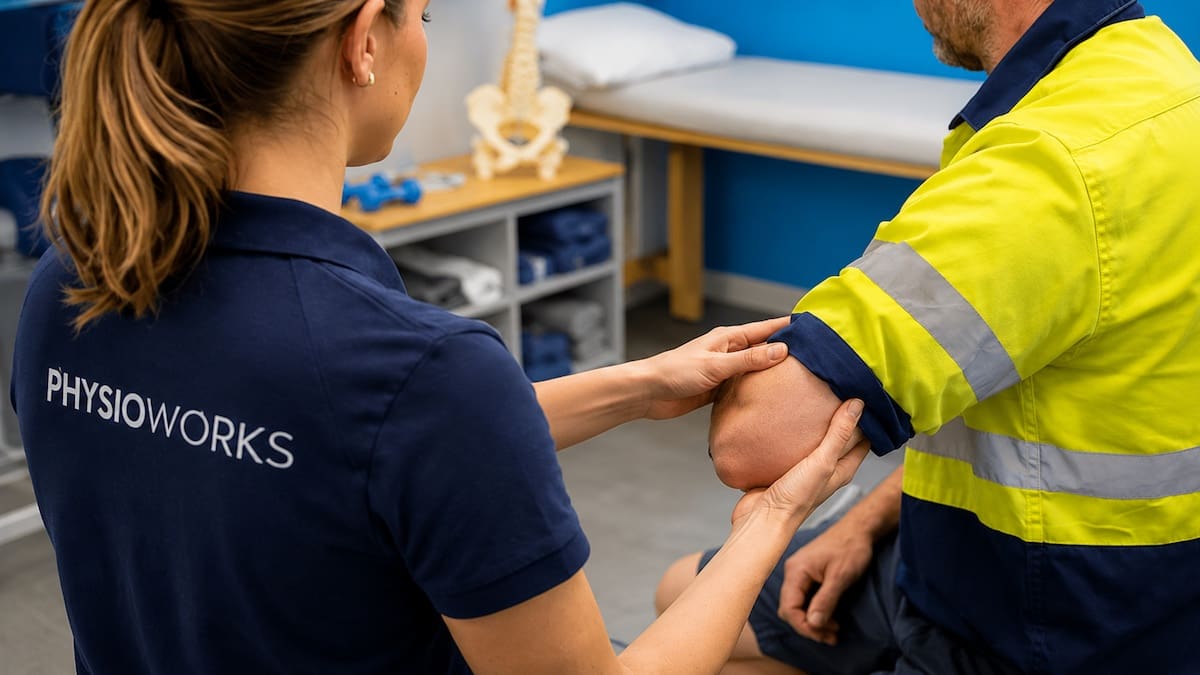
Tennis elbow, also called lateral elbow tendinopathy, causes pain around the tendon attachment on the outside of the elbow. It commonly hurts during gripping, lifting, pouring, typing, tool use, gym exercises and racquet sports.
Tennis elbow physiotherapy may help identify contributing loads, settle aggravation and rebuild grip, forearm and upper-limb capacity through progressive rehabilitation. Tennis elbow is one of several possible causes of elbow pain.
Pain location
The outside of the elbow near the forearm tendon attachment.
Common trigger
Gripping, lifting, wrist extension, tool use or racquet activity.
Common effect
Reduced grip strength, endurance or confidence using the arm.
What is tennis elbow?
Tennis elbow is an overload-related tendon condition affecting the outside of the elbow. It commonly involves the tendon shared by several wrist and finger extensor muscles near the lateral epicondyle.
You do not need to play tennis to develop it. Symptoms may begin after repeated gripping, lifting, mouse use, gym training, tool use or a sudden increase in racquet-sport activity.
Healthdirect also provides a general public-health overview in its tennis elbow guide.
What are the symptoms of tennis elbow?
Tennis elbow usually causes pain and tenderness on the outside of the elbow. Symptoms often increase when the forearm muscles must grip, lift or hold the wrist steady.
Outer-elbow pain
Pain or tenderness near the bony area on the outside of the elbow.
Painful gripping
Discomfort when shaking hands, using tools, opening jars or carrying bags.
Reduced strength
Grip may feel weaker or tire sooner than usual during work or exercise.
Pain with lifting
Lifting a kettle, pan, bag or gym weight may reproduce symptoms.
Forearm aching
Aching may develop after repeated computer, manual or sporting activity.
Morning stiffness
The outer elbow may feel stiff or sensitive after rest or on waking.
What causes tennis elbow?
Tennis elbow commonly develops when forearm tendon demand rises faster than the tendon can adapt. This may follow one large increase in activity or repeated smaller loads without enough recovery.
Common contributing factors include:
- repetitive hand, finger or wrist work
- heavy or sustained gripping
- tool vibration or forceful manual work
- a rapid increase in racquet-sport volume
- new or heavier gym exercises
- prolonged mouse or keyboard use
- limited recovery between demanding tasks
- reduced forearm, shoulder or upper-back capacity
Who commonly develops tennis elbow?
Tennis elbow can affect tradespeople, office workers, healthcare workers, gardeners, gym users and racquet-sport athletes. It can also affect anyone who suddenly increases repeated gripping, lifting or wrist-loading activities.
The condition is more common in adults. However, activity demands and recent load changes often matter more than whether someone plays a particular sport.
Why does tennis elbow hurt during gripping and lifting?
Gripping activates forearm muscles that attach near the painful outer elbow area. These muscles also help hold the wrist steady while you carry, pour, type, use a tool or swing a racquet.
A sensitive tendon attachment may therefore hurt even when the elbow itself does not move very far.
Pain that includes tingling, numbness or a strong connection with neck position may point to another contributor, such as neck-related arm pain.
How is tennis elbow diagnosed?
A physiotherapist usually diagnoses tennis elbow through your history and a clinical examination. Imaging is not routinely required for a straightforward presentation.
Your assessment may include:
- the location and behaviour of your pain
- pain-free and maximum grip strength
- wrist and elbow movement
- resisted wrist or finger loading
- forearm tendon sensitivity
- work, computer, gym and sporting demands
- shoulder and upper-back strength
- screening of the neck, joints and nerves when needed
A clear assessment matters because not all outer-elbow pain comes from the tendon. Radial nerve sensitivity, elbow-joint irritation, referred neck pain and other upper-limb conditions can produce similar symptoms.
When should you worry about elbow pain?
Arrange a physiotherapy or medical assessment when outer-elbow pain:
- lasts longer than two to three weeks
- keeps returning after activity
- causes declining grip strength
- affects work, exercise, sleep or sport
- spreads into the forearm or hand
- does not behave like a straightforward tendon problem
How can tennis elbow physiotherapy help?
Tennis elbow physiotherapy commonly combines load management, progressive strengthening and practical changes to aggravating activities. Treatment should reflect your symptoms, goals and work or sporting demands.
Adjust aggravating loads
Early changes may include reducing forceful gripping, changing how often a task is performed, adjusting tool or mouse use, modifying a gym exercise or temporarily reducing racquet-sport volume.
The goal is not to stop using the arm completely. Instead, sensible changes aim to reduce repeated irritation while retaining useful movement and activity.
Build tendon and grip capacity
Strengthening forms an important part of many tennis elbow rehabilitation programs. Exercises may begin with comfortable static holds before progressing to slow resistance, heavier gripping and task-specific loading.
Your program may also include shoulder, upper-back and whole-arm exercises. A tailored exercise program should match the demands you need to return to.
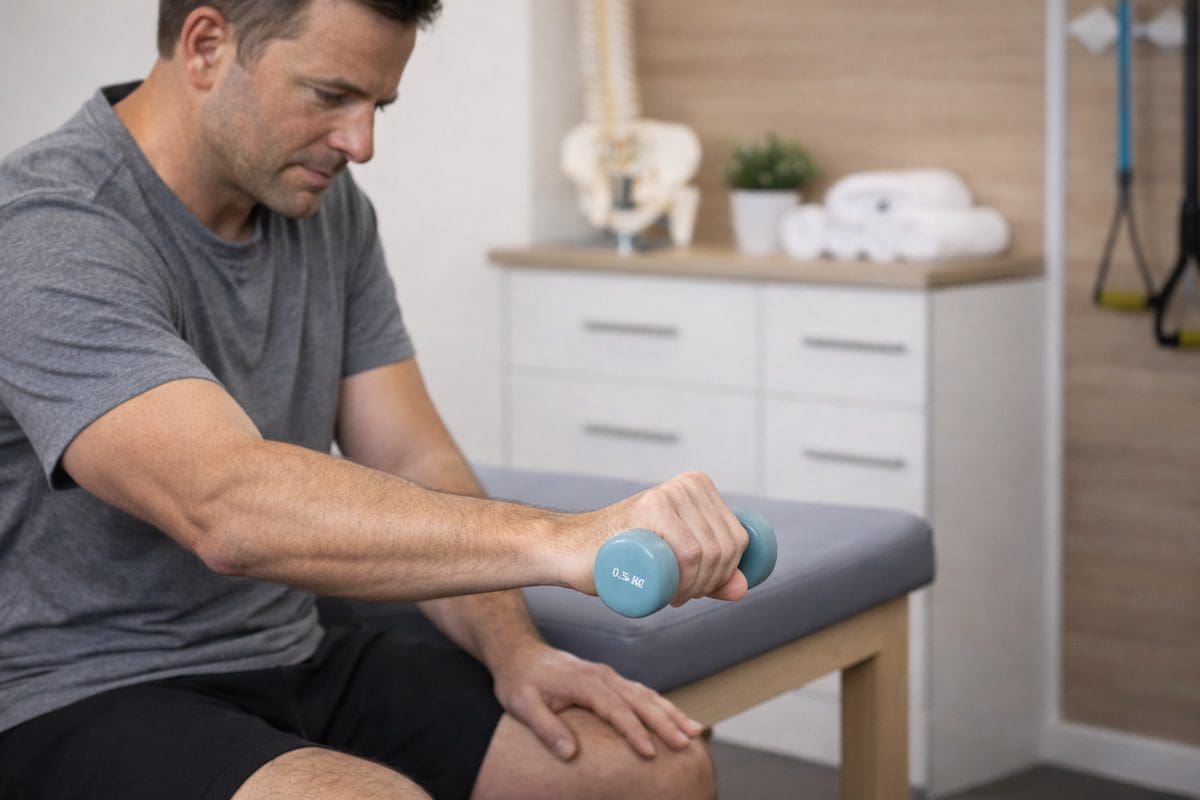
Supported wrist extension exercise during progressive tennis elbow rehabilitation.
Progress rehabilitation gradually
Exercise load usually increases in stages. The appropriate starting level depends on irritability, strength, symptom response and how much load your work or sport requires.
-
Settle repeated aggravation
Reduce or modify the tasks that repeatedly cause sharp or escalating pain.
-
Start manageable loading
Use an exercise level that challenges the forearm without causing a prolonged flare.
-
Increase strength and endurance
Progress resistance, repetitions and grip demands as tolerance improves.
-
Rebuild work or sporting demands
Gradually reintroduce tools, heavier lifting, gym exercises or racquet activity.
Review movement and equipment
A physiotherapist may review lifting technique, workstation setup, tool handling, gym exercises or racquet-sport mechanics. Small changes can reduce unnecessary strain while strength and tolerance improve.
Use hands-on care when appropriate
Hands-on treatment may provide short-term symptom relief for some people. However, it works best as part of a broader plan that includes activity guidance and progressive rehabilitation.
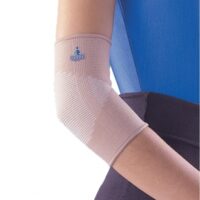
Consider a tennis elbow strap
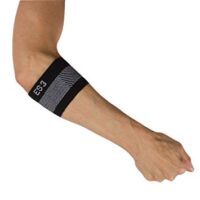
A counterforce strap or elbow support may reduce symptoms during some gripping or lifting tasks. It remains a support tool rather than a complete treatment.
Correct fit and placement matter. Read how to wear a tennis elbow brace or review the OPPO 1086 tennis elbow support.
Discuss injections carefully
Some people consider injections when symptoms persist. Corticosteroid injections may provide short-term pain relief for some presentations. However, recurrence and medium- to long-term results also need consideration.
Other procedures, including platelet-rich plasma injections, have mixed evidence and may not suit every presentation. Exercise-based rehabilitation remains important because it aims to rebuild the arm’s ability to tolerate work, exercise and sport.
For a broader comparison, read tennis elbow treatment options for short- and long-term recovery.
How long does tennis elbow take to heal?
Some people notice meaningful improvement within 6 to 12 weeks, while persistent symptoms may take several months. Recovery does not follow one fixed timetable.
Recovery time can vary with:
- how irritable the tendon is
- how long symptoms have been present
- work and sporting demands
- general health and recovery
- available time between repeated loads
- rehabilitation consistency
- other neck, nerve or joint contributors
A temporary flare does not always mean that new damage has occurred. It may indicate that the arm experienced more load than it currently tolerates. The program may need adjustment rather than complete cessation.
Can tennis elbow return?
Tennis elbow can return when work, gripping or sporting loads increase faster than the tendon’s capacity. Stopping rehabilitation as soon as pain settles may leave the arm underprepared for heavier demands.
Strategies that may reduce recurrence include:
- continuing grip and forearm strengthening
- warming up before heavy gripping or racquet sport
- breaking up long periods of repetitive activity
- reviewing tool or racquet handle size where relevant
- maintaining shoulder and upper-back strength
- increasing training volume in smaller steps
Can tennis elbow affect racquet sports?
Tennis elbow can make racquet gripping, backhand strokes, serving and repeated ball contact painful. Symptoms may relate to playing volume, grip tension, racquet setup, technique, conditioning or a rapid return after time away.
A return plan may gradually rebuild:
- comfortable racquet gripping
- forearm strength and endurance
- controlled ground strokes
- serving volume
- training duration and intensity
- match-play demands
Explore common loading patterns and injury pathways in the tennis injury guide.
Tennis elbow FAQs
What are the main symptoms of tennis elbow?
The main symptoms are pain and tenderness on the outside of the elbow, with discomfort during gripping, lifting, pouring, typing or wrist extension. Some people also notice forearm aching, reduced grip strength or morning stiffness.
How can I tell tennis elbow from nerve pain?
Tennis elbow usually causes local outer-elbow pain during tendon-loading tasks. Nerve-related symptoms may include tingling, numbness, broader arm pain or symptoms that change with neck movement. A clinical assessment can help distinguish between possible causes.
Should I stop using my arm completely?
Usually not. Prolonged complete rest can reduce strength and capacity. Many people benefit from modifying aggravating loads while continuing comfortable movement and gradually progressing rehabilitation exercises.
Do tennis elbow straps work?
A tennis elbow strap may reduce symptoms during some gripping or lifting tasks. However, it does not replace progressive strengthening, load management or practical changes to aggravating activities.
When should I seek help for tennis elbow?
Arrange an assessment when pain lasts longer than two to three weeks, grip strength drops, symptoms keep returning or work and sport become difficult. Seek help sooner when symptoms include marked weakness, numbness or spreading arm pain.
Can desk work cause tennis elbow?
Desk work may contribute. Sustained mouse use, repeated keyboard activity, prolonged wrist extension or gripping a mouse tightly can increase forearm muscle and tendon demand. Workstation changes, activity pacing and progressive rehabilitation may help.
Do I need a scan for tennis elbow?
Most straightforward cases do not require imaging. A clinician may consider an ultrasound, X-ray or MRI when the diagnosis remains uncertain, significant trauma occurred or symptoms do not progress as expected.
Can I keep playing tennis with tennis elbow?
Some people can continue with modified volume or intensity. However, repeatedly provoking escalating pain may delay progress. A graded plan should consider grip comfort, stroke volume, strength, recovery and symptom response.
What should you do next?
Consider a physiotherapy assessment when outer-elbow pain lasts longer than two to three weeks, keeps returning or reduces your grip strength. An assessment can help identify the likely source of pain and establish a structured plan for work, exercise or sport.
For mild and recent symptoms, reduce the main aggravating task, keep the arm moving within comfort and avoid repeatedly pushing into sharp pain. Then rebuild capacity progressively rather than relying on rest alone.
Choose your clinic and appointment pathway
Select a PhysioWorks clinic to continue to live booking, an appointment request or reception assistance.
Elbow Products
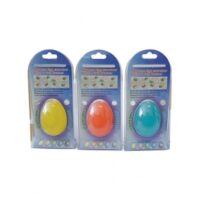
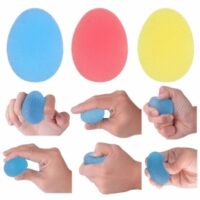
These elbow support products are commonly used by our physiotherapists to help reduce strain, improve strength, and support your elbow recovery at home.
-
-
-

 Calf, Elbow, Ice & Heat, Knee, Pain Management
Victor Elastic Cold Sleeve
$44.00 – $60.00Select optionsQuick View -

-

-
-
-
-
- Liniments & Gels, Massage Liniments, Pain Management
Fisiocrem
$16.95 – $39.95Select optionsQuick View -
-
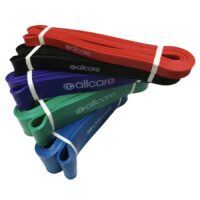
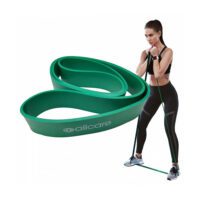 Exercise Equipment, Resistance Band
AllCare Powerloop Bands
$22.00 – $65.00Select optionsQuick View - EMS Machines, Pain Management, TENS Machine, TENS Machine & EMS
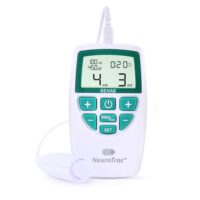
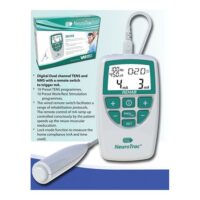
NeuroTrac Rehab (TENS Machine + EMS)
$299.95Add to cartQuick View -








References
- Lucado AM, Day JM, Vincent JI, MacDermid JC, Fedorczyk J, Grewal R, Martin RL. Lateral elbow pain and muscle function impairments: clinical practice guidelines. Journal of Orthopaedic & Sports Physical Therapy. 2022;52(12):CPG1–CPG111. doi:10.2519/jospt.2022.0302.
- Lapner P, Le Bel J, Na Y, et al. Nonoperative treatment of lateral epicondylitis: a systematic review and meta-analysis. JSES International. 2022;6(2):321–330. doi:10.1016/j.jseint.2021.11.010.
- Sharma S, Balthillaya G, Rao SK, Mani R. Physical therapy intervention versus corticosteroid injection for lateral elbow tendinopathy: does slow and steady win the race? Shoulder & Elbow. 2024;16(1 Suppl). doi:10.1177/17585732221132545.
- Xu Y, Zhang C, Ma J, et al. Platelet-rich plasma has better results for long-term functional improvement and pain relief for lateral epicondylitis. American Journal of Sports Medicine. 2024. doi:10.1177/03635465231213087.
