
Acute Soft Tissue Injury


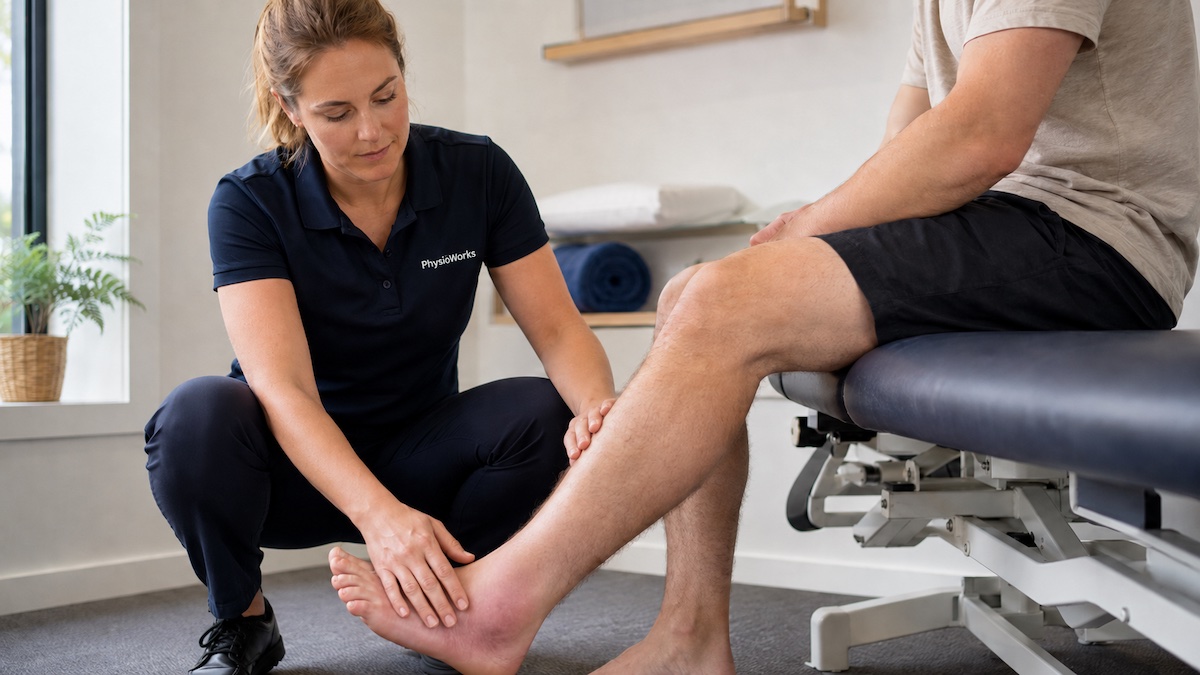
Early assessment helps guide safe loading.
Acute soft tissue injury physiotherapy helps you manage pain, swelling, movement loss, and safe loading in the early days after injury. These injuries often affect muscles, tendons, ligaments, fascia, or other soft tissues after a twist, fall, impact, sprint, or sudden overload.
Early care aims to protect the injured tissue without stopping all movement. It also helps you avoid common mistakes that can increase swelling, stiffness, or repeat injury. This page explains what to do early, when to seek help, and how physiotherapy can guide acute injury management.
What Is an Acute Soft Tissue Injury?
An acute soft tissue injury is a sudden injury to non-bony tissue. It may involve muscle fibres, tendons, ligaments, fascia, nerves, blood vessels, or joint lining tissue.
Common examples include a muscle strain, a ligament sprain, a hamstring strain, a calf tear, or an ankle sprain. The symptoms can look similar, so assessment helps clarify the tissue involved and the safest next step.
What Symptoms Are Common After a Soft Tissue Injury?
Symptoms vary with injury size, location, and load tolerance. Many people notice pain straight away. Others feel mild discomfort at first, then swelling or bruising builds over the next few hours.
- Pain: Sharp, aching, or pulling pain with movement or load.
- Swelling: Fluid build-up around the injured area.
- Bruising: Skin colour change as bleeding tracks under the skin.
- Stiffness: Reduced movement due to pain, swelling, or guarding.
- Weakness: Loss of strength, push-off, grip, or control.
- Function loss: Trouble walking, lifting, stairs, work tasks, or sport.
Quick guide: Mild symptoms that improve each day are often managed with relative rest, compression, gentle movement, and gradual return to load.
However, severe pain, deformity, marked swelling, numbness, or inability to use the limb needs prompt medical review.
What Happens in the First Few Days?
The first few days are the acute phase. Your body starts an inflammatory response to protect the tissue and begin repair. This process is normal. The goal is not to stop healing, but to manage symptoms and avoid extra irritation.
The PEACE and LOVE approach is a useful modern guide. PEACE focuses on protection, education, compression, and elevation early. LOVE then shifts toward loading, optimism, circulation, and exercise as symptoms allow.
How Should You Manage an Acute Soft Tissue Injury Early?
Early management should match the injury. Too much rest can increase stiffness and weakness. Too much load can increase pain and swelling. A symptom-guided approach usually works better than guessing.
Early care usually includes:
- Protection: Reduce painful load for a short period.
- Relative rest: Avoid sharp pain, limping, heavy loading, or sprinting early.
- Compression: Use a bandage or support where suitable to help swelling.
- Elevation: Raise the limb when swelling is a key issue.
- Gentle movement: Move within comfort to reduce stiffness.
- Load control: Increase activity only when pain and swelling allow.
The HARM protocol is also useful in the first 48 to 72 hours. It explains why heat, alcohol, running, and aggressive massage may worsen bleeding or swelling early after some injuries.
Does Ice Help an Acute Soft Tissue Injury?
Ice may help short-term pain for some people. It can also feel useful when swelling limits comfort or movement. However, it should not replace compression, elevation, gentle movement, and a staged loading plan.
Use ice briefly and protect the skin. Avoid long or repeated icing sessions that leave the area numb for extended periods. If you are unsure, ask your physiotherapist or doctor what suits your injury and health history.
When Should You See a Physiotherapist?
Physiotherapy can help when pain, swelling, weakness, or movement loss affects walking, work, training, or sport. Early assessment is also helpful if you are unsure whether the injury is a muscle injury, ligament sprain, tendon issue, joint injury, or fracture risk.
A physiotherapist may assess:
- how the injury happened
- pain location and symptom pattern
- swelling, bruising, and movement loss
- walking, stairs, lifting, or sport tasks
- strength, balance, and joint control
- whether imaging or medical review may be needed
What Treatment May Help?
Treatment depends on the tissue injured and your symptoms. In the acute stage, physiotherapy usually focuses on pain control, swelling control, safe movement, and clear activity limits.
Your plan may include:
- education about what to do and what to avoid
- compression, support, taping, or bracing where suitable
- pain-limited range-of-motion exercises
- early isometric or gentle strength work
- walking or work-task modification
- sport-specific return-to-load planning
As symptoms settle, care often shifts toward sub-acute soft tissue injury rehabilitation. This stage builds strength, balance, control, and confidence so the tissue can tolerate normal activity again.
How Long Does a Soft Tissue Injury Take to Heal?
Healing time varies. Mild soft tissue injuries may improve within days to weeks. Larger muscle tears, ligament injuries, tendon injuries, or repeated injuries often take longer.
| Phase | Usual timing | Main goal |
|---|---|---|
| Acute phase | First few days | Protect tissue, manage pain and swelling, keep safe movement going. |
| Repair phase | Days to weeks | Restore movement, start progressive strength, and reduce sensitivity. |
| Remodelling phase | Weeks to months | Rebuild load tolerance, speed, control, and return-to-sport capacity. |
A staged plan often works better than a strict timeline. Your symptoms, strength, swelling, and function should guide progress.
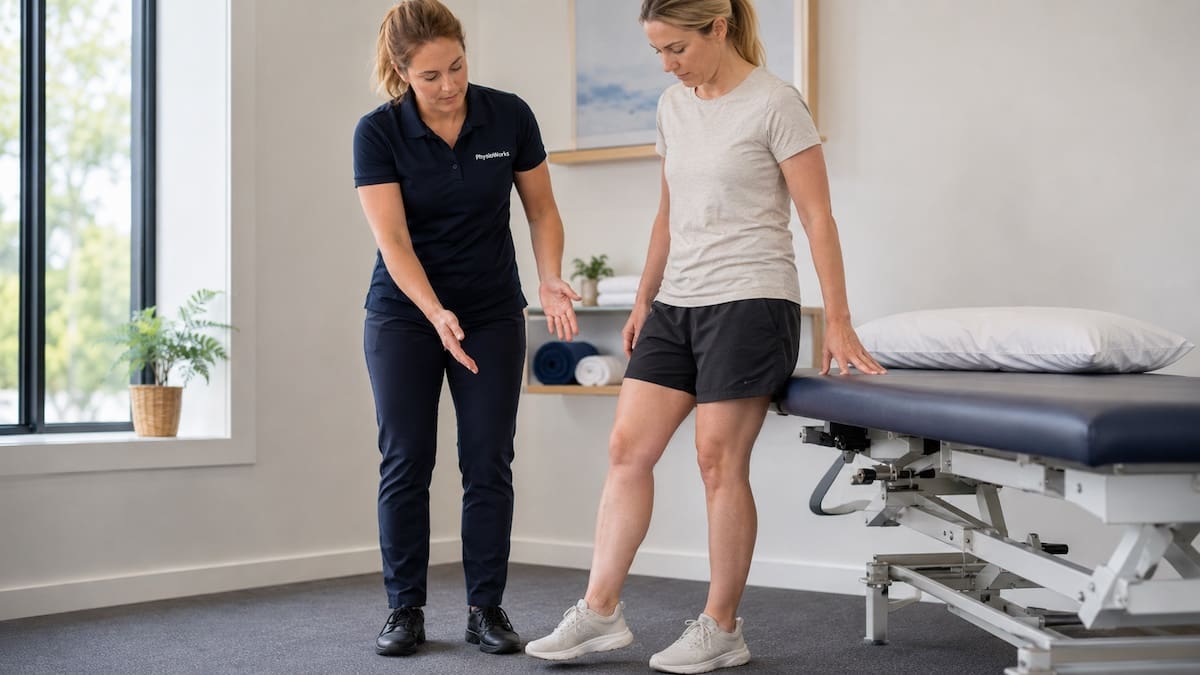
Gentle loading should match symptoms.
Should You Keep Moving After a Soft Tissue Injury?
Most people should keep some gentle movement going. The key is choosing movement that does not sharply increase pain or swelling. Complete rest for too long can reduce strength and confidence.
Load Decision Guide
- Keep it gentle if pain stays mild and settles after movement.
- Modify activity if pain climbs, swelling increases, or you limp.
- Stop and seek advice if pain is sharp, severe, worsening, or linked with weakness, numbness, or deformity.
For many injuries, soft tissue injury healing improves when early care blends protection with a gradual return to load.
How Do You Return to Work, Exercise, or Sport?
Return to activity should be gradual. Rushing back can increase the risk of flare-ups or repeat injury, especially if pain has settled but strength, speed, balance, or control have not recovered.
Before return to heavier activity, you should usually regain:
- near-normal movement
- comfortable walking or daily activity
- strength close to the uninjured side
- good balance and control
- confidence with the task you want to return to
- no swelling or pain increase after activity
For sport or heavy work, structured injury rehabilitation helps bridge the gap between feeling better and being ready for full load.
When Is Urgent Medical Review Needed?
Some injuries need medical review rather than routine self-care. Seek urgent care if symptoms suggest fracture, dislocation, nerve injury, vascular symptoms, or a serious tear.
- obvious deformity or a joint looks out of place
- inability to bear weight or use the limb
- severe pain that does not ease
- rapid swelling after trauma
- numbness, pins and needles, or marked weakness
- cold, pale, or blue skin below the injury
- calf swelling, redness, warmth, chest pain, or shortness of breath
Related Acute Injury Guides
- Muscle treatment – early care and rehabilitation for muscle injuries.
- Common muscle injuries – examples of muscle strains and tears.
- HARM protocol – what to avoid soon after injury.
- Sub-acute soft tissue injury – what happens after the early phase.
Acute Soft Tissue Injury FAQs
What is an acute soft tissue injury?
An acute soft tissue injury is sudden damage to tissue such as muscle, tendon, ligament, fascia, or joint lining. It often happens after a twist, fall, sprint, impact, or sudden overload.
Should I rest completely after a soft tissue injury?
Complete rest is rarely helpful for long. Most people need short-term relative rest, then gentle movement and staged loading based on pain, swelling, and function.
How long does an acute soft tissue injury take to heal?
Mild injuries may improve within days to weeks. Larger tears, ligament sprains, tendon injuries, or repeat injuries can take longer and often need a structured rehabilitation plan.
Does ice speed up soft tissue healing?
Ice may help short-term pain for some people, especially when swelling limits comfort. It should not replace compression, elevation, gentle movement, and progressive loading.
When should I book physiotherapy?
Book physiotherapy if pain, swelling, weakness, or movement loss affects walking, work, exercise, or sport. Early advice is also useful if symptoms are not improving after a few days.
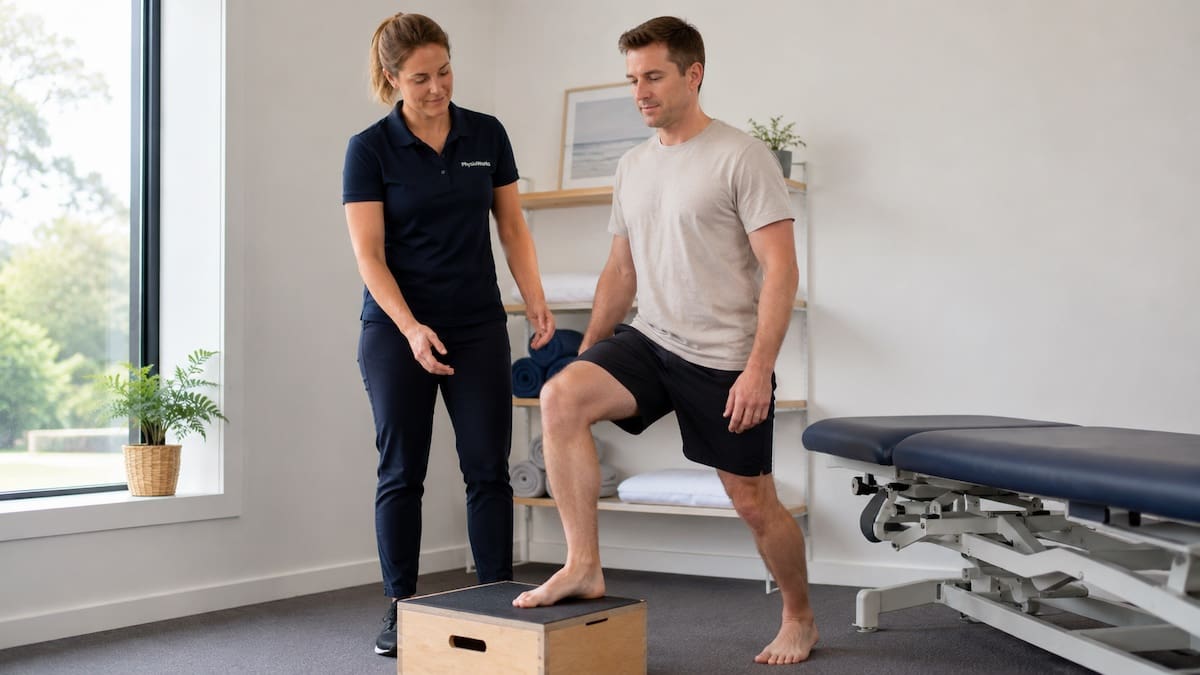
Progression should restore confidence and control.
What To Do Next
If your injury is new, painful, swollen, or limiting normal activity, book a physiotherapy assessment. A clear early plan can help you protect the tissue, move safely, and rebuild strength at the right pace.
If you have severe pain, deformity, rapid swelling, numbness, or you cannot use the limb, seek urgent medical review.
Choose your clinic and appointment pathway
Select a PhysioWorks clinic to continue to live booking, an appointment request or reception assistance.
Muscle & Soft Tissue Products
These muscle and soft tissue products are commonly used by our physiotherapists to relax or loosen muscles, improve strength, comfort, flexibility, and home exercise programs.
-
-
-
-
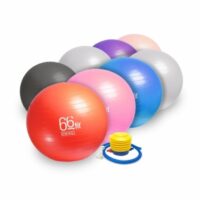
 Exercise Balls, Back, Exercise Equipment, Knee, Shoulder
66fit Exercise Balls | Core & Rehab Stability Ball
$32.00 – $57.00Select optionsQuick View -
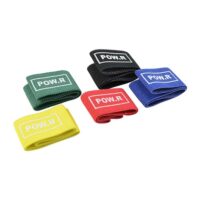 Exercise Equipment, Knee, Resistance Band
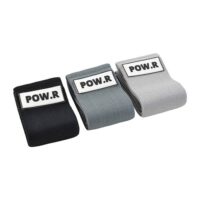
POW.R Fabric Mini Loop Bands
$12.00 – $55.00Select optionsQuick View - Exercise Equipment, Resistance Band
POW.R Wide Fabric Loop Resistance Band
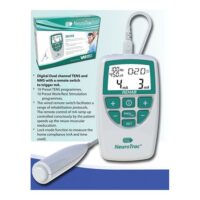
$14.95 – $49.95Select optionsQuick View - EMS Machines, Pain Management, TENS Machine, TENS Machine & EMS
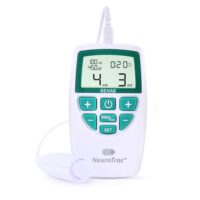
NeuroTrac Rehab (TENS Machine + EMS)
$299.95Add to cartQuick View -
- Liniments & Gels, Massage Liniments, Pain Management
Fisiocrem
$16.95 – $39.95Select optionsQuick View -
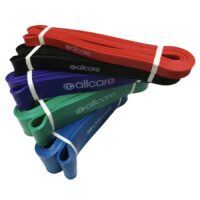
 Exercise Equipment, Resistance Band
AllCare Powerloop Bands
$22.00 – $65.00Select optionsQuick View -
-
-
-
-








References
- Dubois B, Esculier JF. Soft-tissue injuries simply need PEACE and LOVE. Br J Sports Med. 2020;54(2):72-73. doi:10.1136/bjsports-2019-101253
- Wang ZR, Ni GX. Is it time to put traditional cold therapy in rehabilitation of soft-tissue injuries out to pasture? World J Clin Cases. 2021;9(17):4116-4122. doi:10.12998/wjcc.v9.i17.4116
- Gaddi D, Mosca A, Piatti M, et al. Acute ankle sprain management: an umbrella review of systematic reviews. Front Med. 2022;9:868474. doi:10.3389/fmed.2022.868474
- Wulff MW, Mackey AL, Kjær M, Bayer ML. Return to sport, reinjury rate, and tissue changes after muscle strain injury: a narrative review. Transl Sports Med. 2024;2024:2336376. doi:10.1155/2024/2336376