
Acute Injury Treatment


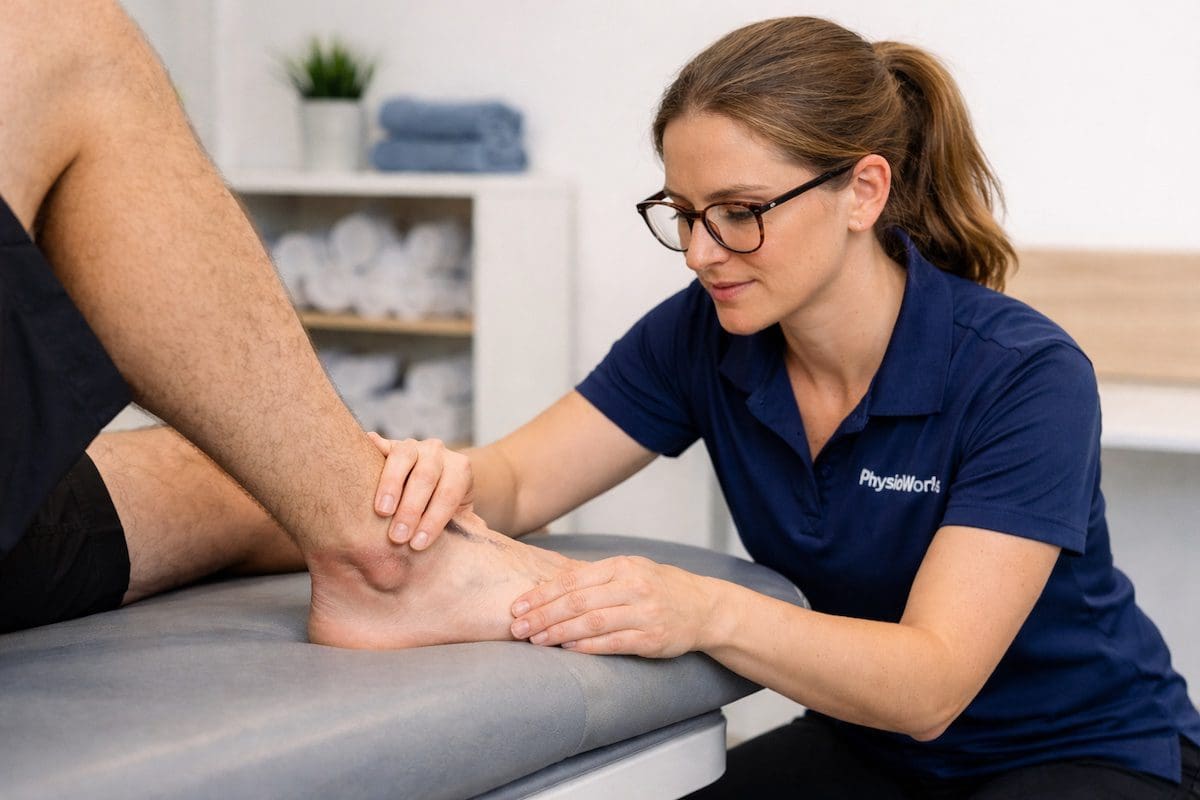
Early ankle ligament assessment in clinic
Acute injury treatment helps reduce pain and swelling while keeping you moving safely. In the first week after an injury, the goal is to protect healing tissue, guide safe activity, and lower the risk of ongoing stiffness or delayed recovery.
Acute injuries often happen during sport, work, lifting, or a simple misstep. Common examples include muscle strains, ligament sprains, and joint injuries. If your injury happened during activity, it may also help to read what to do immediately after a sports injury.
To guide your first steps, start with these PhysioWorks pages: acute soft tissue injury, the soft tissue injury healing guide, muscle treatment, and sub-acute soft tissue injury.
Common early goals of acute injury treatment
- Reduce pain and swelling
- Protect healing tissue without over-resting
- Keep safe movement going early
- Guide a steady return to work or sport
Acute Injury Treatment in the First Week
Early care aims to protect healing tissue without creating unnecessary stiffness. With the right approach, many people regain movement sooner and reduce the risk of ongoing pain.
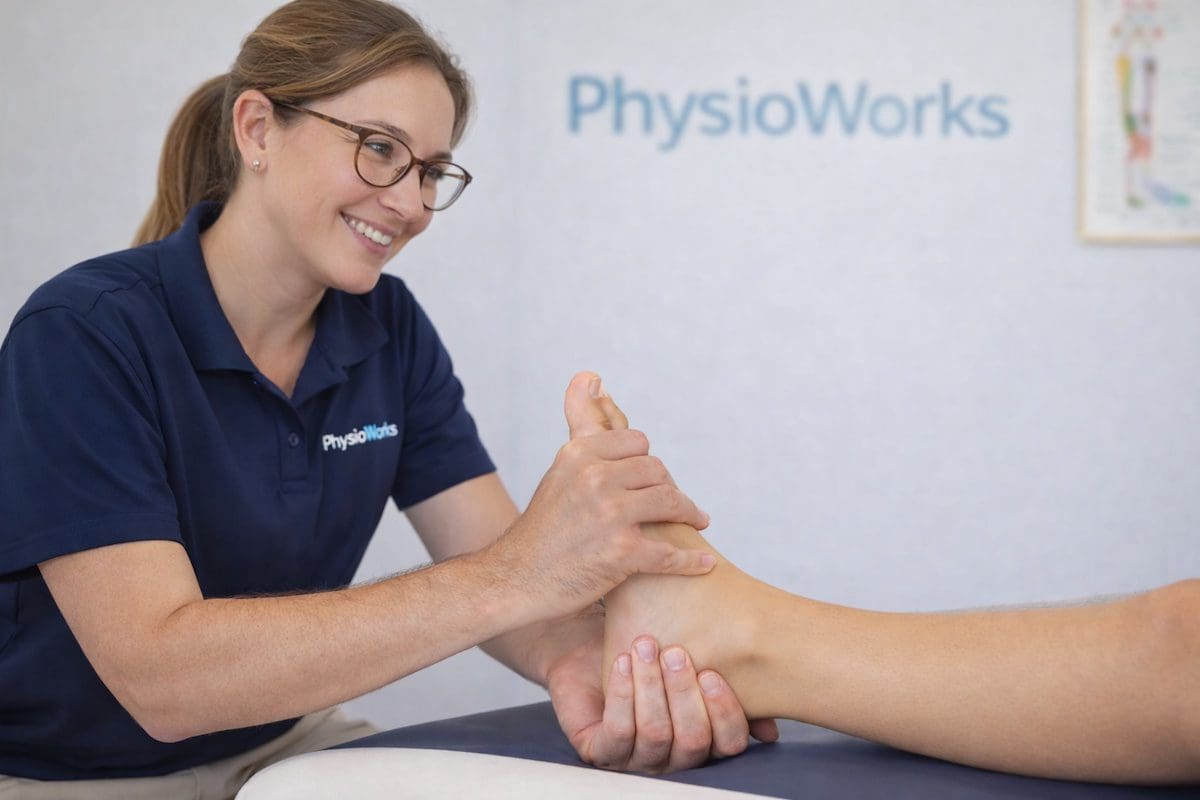
Guided ankle movement supports early recovery
How Physiotherapy May Help
A physiotherapist can assess the injured area, look for red flags, and set safe activity limits early. Acute injury treatment often includes symptom-led movement, progressive loading, and a staged return to work, exercise, or sport.
Current frameworks such as PEACE & LOVE and CARE support education, graded loading, and active recovery rather than prolonged rest. If you are unsure what is safe, early physiotherapy may help clarify what needs protection and what should keep moving.
What Should You Do in the First 0–7 Days?
In the first week, acute injury treatment usually focuses on protection, swelling control, comfortable movement, and gradual loading. The goal is to support healing without creating avoidable stiffness, weakness, or fear of movement.
1) Protect, but keep gentle movement
Avoid sharp pain initially. However, comfortable movement through small ranges helps circulation and limits stiffness. Depending on the body region, this may include gentle ankle, knee, or shoulder movement within tolerance.
2) Compression and support
Compression may help manage swelling. Short-term bracing, taping, or walking aids may assist depending on the injury, especially after a sprained ankle or other ligament injury.
3) Elevation when swelling is obvious
Short periods of elevation, especially after activity, can assist swelling control.
4) Ice or heat?
Ice may help short-term pain relief in the first 48–72 hours. Heat can increase swelling early on. For guidance, see avoid HARM in the first 72 hours.
5) Medication and anti-inflammatories
Some medications reduce pain but may influence early tissue processes. Discuss options with your GP or pharmacist.
When Should You Seek Help for an Acute Injury?
You should seek help if pain is worsening, swelling is increasing, you cannot weight-bear, or recovery is stalling after a few days. Early assessment may help clarify what is safe, what needs more protection, and whether you may have a more significant injury such as a knee ligament injury, calf strain, ankle injury, or broader knee pain.
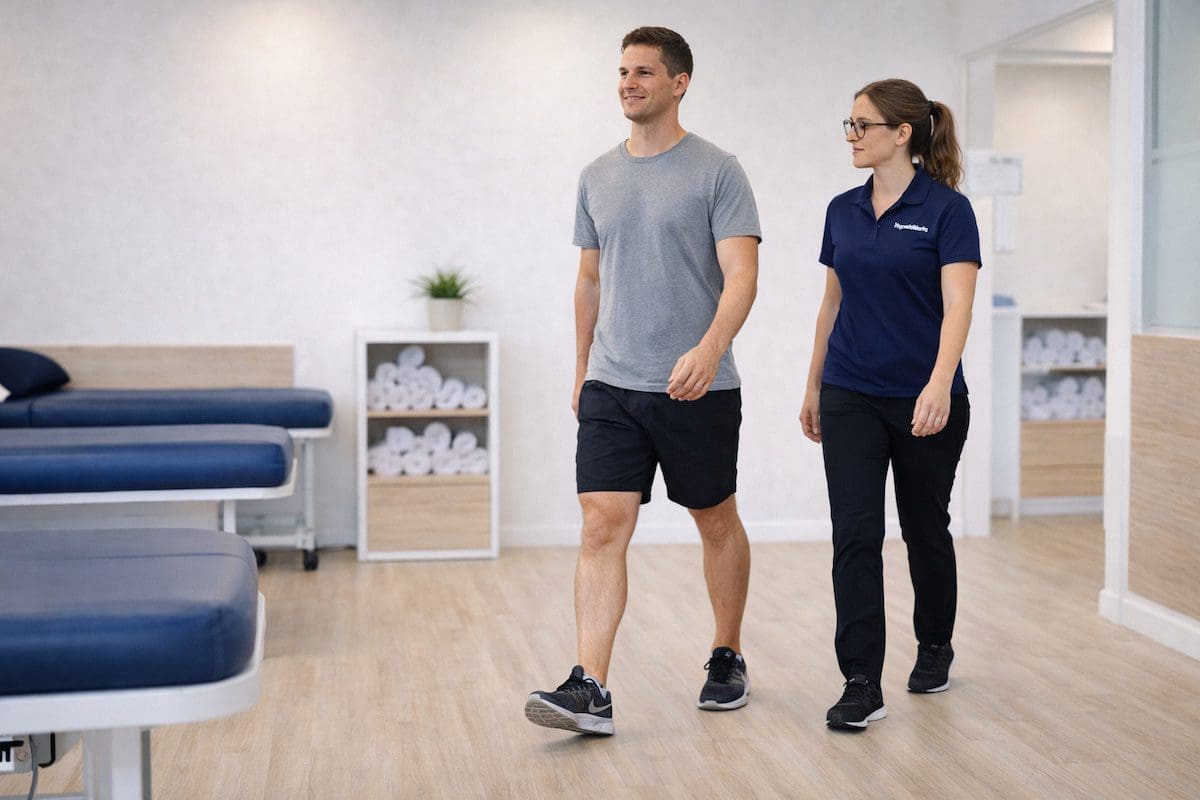
Confident movement can return after an acute injury
Common Symptoms Acute Injury Treatment May Help
Acute injury treatment may help if you are experiencing:
- Sudden pain after sport, lifting, or a fall
- Swelling or bruising around a joint or muscle
- Difficulty walking or weight-bearing
- Reduced movement or stiffness
- Loss of strength or confidence with movement
These symptoms are common in injuries such as ankle injuries, knee ligament injuries, muscle strains, and shoulder injuries that create pain, weakness, or reduced movement.
What to Expect from Acute Injury Treatment
Your physiotherapist will assess your injury, explain what has likely been affected, and guide you on what is safe to do. Early sessions often focus on reducing pain, managing swelling, and restoring comfortable movement.
As symptoms settle, treatment progresses toward strengthening, loading the tissue, and returning you to work, sport, or daily activity. The aim is to avoid both overloading too early and resting for too long.
Is Acute Injury Treatment Right for You?
If pain is limiting movement, swelling is increasing, or you are unsure what is safe, early physiotherapy can help guide your recovery.
Many people find that getting a clear plan early helps them recover faster, avoid long-term issues, and return to normal activity with more confidence.
Common Questions About Acute Injury Treatment
What is acute injury treatment?
Acute injury treatment focuses on early pain and swelling control while keeping safe movement going. It often includes relative rest, compression, elevation, and gradual return to activity.
Should I rest completely after an acute injury?
Complete rest is rarely helpful. Most people do better with gentle movement within comfort and a gradual increase in activity as symptoms improve.
Should I use ice or heat?
Ice may help short-term pain relief in the first 48–72 hours. Heat is usually avoided early if swelling is present.
When should I see a physiotherapist?
Seek assessment if symptoms worsen, swelling increases, you cannot weight-bear, or recovery is not progressing within a few days.
What to Do Next
If pain, swelling, or movement limits persist, a physiotherapist can tailor treatment to your injury, activity level, and goals. If you need acute injury treatment in Brisbane, early physiotherapy can help you recover faster and reduce the risk of long-term problems.
Choose your clinic and appointment pathway
Select a PhysioWorks clinic to continue to live booking, an appointment request or reception assistance.


References
- Dubois B, Esculier JF. Soft-tissue injuries simply need PEACE and LOVE. Br J Sports Med. 2020;54(2):72-73.
- Fousekis K, Tsepis E. Minor soft tissue injuries may need PEACE in the acute phase, but moderate and severe injuries require CARE. J Sports Sci Med. 2021;20(4):799-800.
- Ruiz-Sánchez FJ, Gómez-Chiguano GF, Ceballos-Laita L, et al. Management of ankle sprain: a systematic review. Int J Environ Res Public Health. 2022;19(19):12369.
