
Scapular Stabilisation Exercises
Scapular Stabilisation Exercises
Build better shoulder blade control for reaching, lifting, gym work and overhead activity.


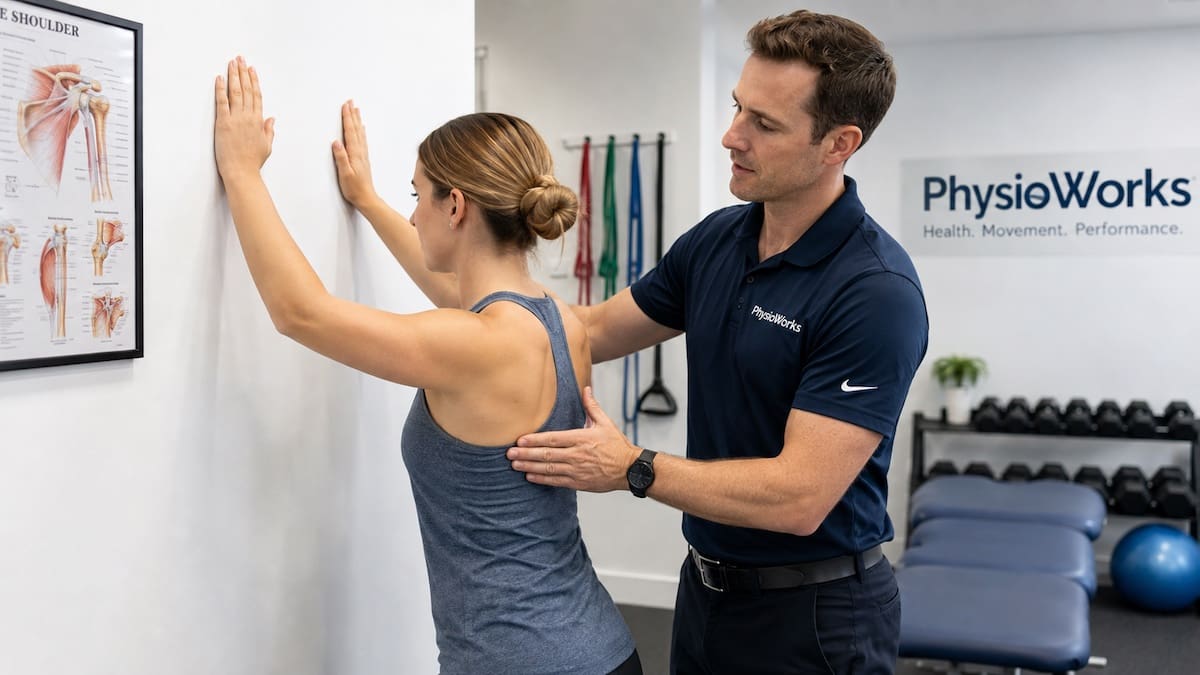
Your shoulder blade, also called the scapula, forms the moving base of your shoulder. It slides and rotates across your rib cage as you reach, lift, push, pull or raise your arm overhead.
Scapular exercises may help when your shoulder feels weak, tired, pinchy or poorly controlled. However, there is no single ideal shoulder blade position. The aim is coordinated movement and enough strength for your daily, work, gym or sporting demands.
What is scapular stabilisation?
Scapular stabilisation means controlling the position and movement of your shoulder blade while your arm moves. The scapula should not remain locked down or pulled back throughout every exercise.
Instead, it needs to tilt, rotate and glide around the rib cage. This movement helps your arm reach overhead while the shoulder joint remains supported.
Control
Your shoulder blade moves smoothly without excessive shrugging, tipping or winging.
Endurance
The supporting muscles maintain useful control during repeated reaching, lifting or sport.
Capacity
Your shoulder blade and arm tolerate the load, range and speed required for your goals.
Which muscles control the shoulder blade?
Several muscles work together to control the scapula. Their roles overlap, so rehabilitation usually trains coordinated movement rather than trying to isolate one muscle completely.
Serratus anterior
The serratus anterior helps keep the shoulder blade against the rib cage and supports upward rotation during reaching and overhead movement.
Trapezius
The upper, middle and lower trapezius fibres help rotate, tilt, elevate and retract the scapula as your arm moves.
Rhomboids and levator scapulae
These muscles help control retraction, downward rotation and elevation during lower-level arm and neck–shoulder tasks.
The rotator cuff muscles also work with the scapular muscles. They help keep the ball of the upper arm controlled within the shoulder socket while you move.
Can scapular stabilisation exercises help shoulder pain?
Scapular-focused exercises may reduce pain and improve function for some people with shoulder pain, particularly when they form part of a broader progressive exercise program. The effect varies according to the shoulder problem, exercise dose, movement pattern and activities being restored.
Shoulder blade exercises commonly form part of rehabilitation for:
- rotator cuff tendinopathy
- shoulder impingement symptoms
- shoulder bursitis
- functional shoulder instability
- reduced endurance during overhead work, swimming, throwing or gym training
Exercises should match the likely cause of your symptoms. Shoulder pain may also involve stiffness, a rotator cuff tear, neck-related pain, arthritis, trauma or another problem that needs a different starting point.
Useful scapular exercise progressions
A useful program usually progresses from awareness and low-load control to stronger pushing, pulling and overhead tasks. You do not need to master every exercise before moving forward.
-
Begin with comfortable shoulder blade control
Practise gentle reaching, supported wall slides or low-load movements that allow the scapula to move without excessive shrugging or sharp pain.
-
Add strength and endurance
Progress to serratus reaches, rows, wall push-ups, band exercises or controlled arm raises. Use a resistance that allows steady technique.
-
Build overhead and task-specific capacity
Add loaded reaching, pushing, pulling, carrying or sport-specific drills when lower-load exercises feel controlled and settle well afterwards.
Common scapular stabilisation exercises
Wall slide
Slide your forearms or hands up a wall while allowing the shoulder blades to rotate upward. Avoid forcing your shoulders down as your arms rise.
Serratus reach
Reach the arm forwards by allowing the shoulder blade to glide around the rib cage. Keep the movement controlled rather than rounding the whole trunk.
Supported row
Pull against a light band or cable while keeping the neck relaxed. Finish with controlled shoulder blade movement rather than an aggressive squeeze.
Wall push-up plus
Complete a wall push-up, then gently press your upper back away from the wall at the top. This adds serratus anterior control in a supported position.
Lower trapezius raise
Lift the arm in an appropriate diagonal while keeping the movement smooth. Start without weight when the shoulder is irritable or weak.
Loaded carry
Carry a manageable weight while maintaining comfortable shoulder and trunk control. Progress the weight, distance or arm position gradually.
How should the shoulder blade move overhead?
As you lift your arm, the scapula normally rotates upward and tilts to support the changing position of the shoulder. It should not remain pinned down and back.
This coordination between the upper arm and shoulder blade is known as scapulohumeral rhythm. A physiotherapist may observe this movement from several angles and assess whether strength, stiffness, pain or exercise technique is affecting it.
Does posture affect scapular control?
Posture can influence how your neck, rib cage and shoulder blade move. However, there is no single perfect posture that prevents shoulder pain.
A practical starting position usually involves a relaxed neck and rib cage without forcing the shoulders backwards. More importantly, build the ability to move and tolerate different positions during work, exercise and daily activity.
Should you squeeze your shoulder blades together?
A gentle shoulder blade squeeze can help some early exercises. However, holding the shoulder blades tightly together during every arm movement may restrict normal upward rotation.
Use the cue only when it improves the intended exercise. During reaching or overhead work, allow the scapula to move naturally around the rib cage.
When should you stop or modify an exercise?
Arrange an assessment sooner when pain follows a fall or dislocation, you suddenly cannot lift your arm, weakness is progressing, or shoulder pain repeatedly disturbs your sleep.
How do scapular and rotator cuff exercises work together?
The scapular muscles position the shoulder blade while the rotator cuff helps control the upper arm within the socket. Training both systems often provides a stronger base for reaching, carrying and overhead movement.
Continue with the rotator cuff exercise guide, or explore the full shoulder exercise program for mobility, strength and return-to-load progressions.
What to do next
Begin with one or two exercises that you can perform smoothly. Keep the load manageable and check how your shoulder responds later that day and the next morning.
Consider a physiotherapy assessment when symptoms persist, your shoulder feels unstable, overhead activity remains limited or you are unsure how to progress. A physiotherapist can assess:
- shoulder and upper-back mobility
- scapular movement and muscular endurance
- rotator cuff strength and shoulder stability
- work, gym or sporting load
- the most suitable starting exercise and progression
Choose your clinic and appointment pathway
Select a PhysioWorks clinic to continue to live booking, an appointment request or reception assistance.
Shoulder Products
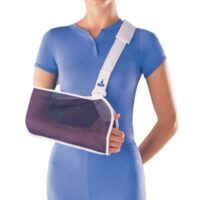
These shoulder products are commonly used by our physiotherapists to improve strength, posture, movement, plus assist home exercise programs.
-

-
-
-
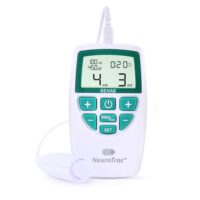
- EMS Machines, Pain Management, TENS Machine, TENS Machine & EMS
NeuroTrac Rehab (TENS Machine + EMS)
$299.95Add to cartQuick View -
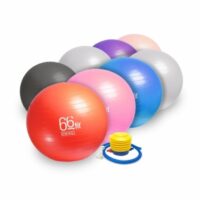
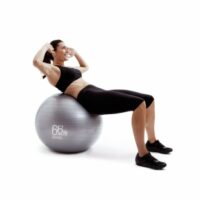 Exercise Balls, Back, Exercise Equipment, Knee, Shoulder
66fit Exercise Balls | Core & Rehab Stability Ball
$32.00 – $57.00Select optionsQuick View -
-
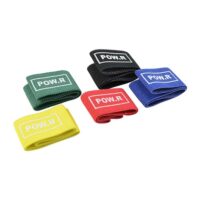 Exercise Equipment, Knee, Resistance Band
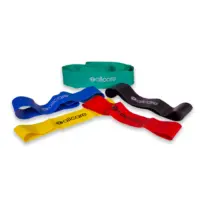
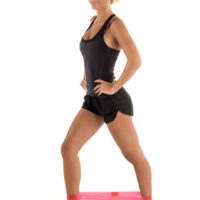
POW.R Fabric Mini Loop Bands
$12.00 – $55.00Select optionsQuick View -
-

-
-
 Exercise Equipment, Resistance Band
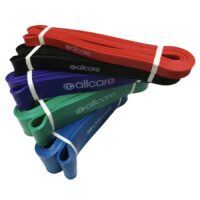
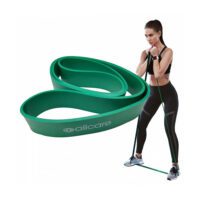
AllCare Powerloop Bands
$22.00 – $65.00Select optionsQuick View - Liniments & Gels, Massage Liniments, Pain Management
Fisiocrem
$16.95 – $39.95Select optionsQuick View -

-



Scapular stabilisation exercise FAQs
What are scapular stabilisation exercises?
Scapular stabilisation exercises train the muscles that control your shoulder blade as your arm moves. They commonly target the serratus anterior, trapezius and supporting shoulder muscles.
How often should I do shoulder blade exercises?
Low-load control exercises may suit regular practice. Harder strengthening usually needs recovery between sessions. Your dose should reflect the resistance, your symptoms and how your shoulder feels the next day.
Should I pull my shoulder blades down and back?
Not during every movement. A gentle setting cue may help some exercises, but the shoulder blade needs to rotate and glide as you reach overhead. Holding it rigidly down and back may restrict normal movement.
Can scapular exercises help shoulder impingement symptoms?
They may help some people by improving shoulder blade control and tolerance of reaching or lifting. They usually work best alongside rotator cuff strengthening, load management and a gradual return to activity.
What is the best exercise for scapular winging?
There is no single best exercise. Wall slides, serratus reaches and supported pushing exercises may help, but the right choice depends on why the shoulder blade is winging and whether weakness, pain or nerve involvement is present.
Should scapular exercises hurt?
They should not cause sharp or increasing pain. Mild and stable discomfort may sometimes be acceptable. Reduce the load or range when symptoms remain clearly worse later that day or the following morning.
References
- Zhong Z, Zang W, Tang Z, Pan Q, Yang Z, Chen B. Effect of scapular stabilization exercises on subacromial pain syndrome: a systematic review and meta-analysis of randomised controlled trials. Frontiers in Neurology. 2024;15:1357763. View the systematic review.
- Melo ASC, et al. Effectiveness of specific scapular therapeutic exercises in patients with shoulder pain: a systematic review with meta-analysis. JSES International. 2024. View the full article.
- Abiara S, et al. Acute effects of lower trapezius activation exercises on posture and scapular muscle activity. PeerJ. 2025. View the full article.
- dos Santos C, et al. Effects of a scapular-focused exercise protocol for rotator cuff-related shoulder pain syndrome: a randomised clinical trial. 2025. View the full article.
Follow PhysioWorks
Follow PhysioWorks for practical shoulder exercise, rehabilitation and injury-management information.