
Sub-Acute Soft Tissue Injury


Sub-acute soft tissue injury physiotherapy can help you settle pain, restore confident movement, and reduce flare-ups after the first few days of injury.
Sub-acute soft tissue injury treatment and recovery in Brisbane
The sub-acute phase usually starts once the sharpest pain and swelling from the acute injury phase begin to settle. During this stage, many people still feel stiffness, weakness, bruising, or “tightness”, especially after sitting, first thing in the morning, or after a busy day. Sub-acute soft tissue injury physiotherapy Brisbane aims to keep you moving safely while the tissue rebuilds strength.
At PhysioWorks, a physiotherapist will match your plan to the tissue involved (muscle, tendon, ligament, or joint capsule), your activity level, and how irritable the area feels. That same approach applies whether you’re managing a muscle strain, a sprained ankle, a hamstring strain, a groin strain, or a flare of tendinopathy.
Why the sub-acute phase matters
It’s easy to get stuck in the middle: you feel “better than day one”, yet you can’t train, lift, or work like normal. If you avoid movement for too long, you may develop joint stiffness and general deconditioning. On the other hand, if you rush back too soon, the tissue may stay irritated and symptoms can bounce back. Sub-acute soft tissue injury physiotherapy Brisbane focuses on the “right dose” of activity so you progress without repeated flare-ups.
People also ask: “Why does it still hurt if it’s no longer swollen?” In many cases, your pain system stays protective while the tissue restores load tolerance. The goal is to build trust in movement again, then improve function week by week.
Assessment first: what a physiotherapist checks
A physiotherapist will assess swelling, bruising, range of motion, strength, and how the injury behaves with load. They may also screen nearby joints and muscle groups because compensation patterns often drive ongoing symptoms. For example, calf weakness can keep an ankle sprain sore, while hip control issues can prolong hamstring or groin symptoms. If your pain feels more “diffuse” or unpredictable, your physio may also screen broader contributors (including how you walk, squat, and climb stairs).
If you want a broader overview of common soft tissue symptoms, see muscle pain and injury.
Local modalities: when they help (and when they don’t)
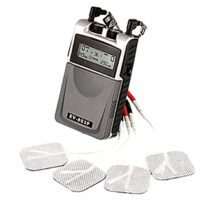
In the sub-acute phase, some people benefit from short-term symptom relief using ice, heat, and selected electrotherapy options, such as TENS or therapeutic ultrasound. Treat these as tools to make movement easier, not the main solution. Most people improve best when modalities support a progressive exercise plan.
Practical rule: if a modality helps you move better for the next few hours, it can be useful. If it doesn’t change anything, skip it and focus on loading, mobility, and technique.
Joint mobilisation: restoring motion without “forcing it”
After a sprain, strain, or impact injury, joint stiffness can become the limiter. A physiotherapist may use hands-on techniques as part of a broader plan that includes home mobility and strengthening work. The priority stays the same: restore motion, then build capacity to tolerate real-life loads. For more detail, see manual physiotherapy techniques.
Protective strapping and supports
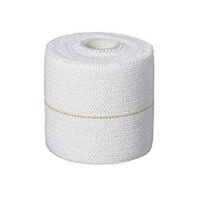
When the injured area feels unstable or easily aggravated, supportive taping and strapping may help you stay active while the tissue settles. Taping can also cue better movement patterns, which supports rehab in the gym, at work, and during sport practice. If swelling or bruising lingers, a physio may also consider kinesiology taping as part of a broader plan: kinesiology tape for swelling and bruising.
Exercise prescription: the core of sub-acute recovery
Exercise prescription is usually the main driver of recovery in this phase. Sub-acute soft tissue injury physiotherapy Brisbane aims to progressively load the tissue so it rebuilds strength, coordination, and tolerance. For many common injuries, this starts with pain-limited range-of-motion work and gentle isometrics, then progresses to strength training and sport-specific drills.
Stretching can help when stiffness blocks good movement. Your physio may guide you on safe timing and technique, including options like PNF stretching, so you gain range without flaring symptoms.
Proprioception and biomechanics: reducing re-injury risk
Once pain settles and motion improves, rehab should include balance, coordination, and “whole chain” mechanics (hips, trunk, foot control). This matters after ankle and knee injuries, and it also supports return to running after thigh or calf strains. If running is your goal, see running injuries for common load errors and progression tips.
If you want a plain-language overview of sprains and strains, MedlinePlus summarises how early protection transitions into later exercise and physical therapy: Sprains & strains (MedlinePlus).
What to do next
If your pain isn’t improving week to week, or you feel stuck in the “almost better” stage, a physiotherapist can assess what’s limiting you and map out a step-by-step progression. That plan usually includes the right amount of mobility, strength, and return-to-activity loading, plus guidance on pacing so you don’t flare things up. Sub-acute soft tissue injury physiotherapy Brisbane is about consistency, not quick fixes.
Choose your clinic and appointment pathway
Select a PhysioWorks clinic to continue to live booking, an appointment request or reception assistance.
Related articles
- Acute Injury Treatment – Immediate steps to manage pain and swelling in the first days after injury.
- Acute Soft Tissue Injury – Early phase guidance before you transition into sub-acute rehab.
- Muscle pain and injury – Common signs, severity grades, and practical recovery direction.
- Hamstring strain – Rehab guidance, strength progressions, and return-to-running tips.
- Groin strain – Inner thigh injury assessment and staged return to sport.
- Electrotherapy and local modalities – Options that may support short-term pain relief.
- Heat packs – When heat may help stiffness during recovery.
- Kinesiology tape for swelling and bruising – How taping may assist comfort and movement confidence.
- Supportive taping and strapping – Protection while you rebuild strength and control.
- Exercise programs – Examples of progressive strengthening and return-to-sport planning.
- Balance training – Proprioception work to reduce re-injury risk.
- Manual physiotherapy techniques – Joint and soft tissue techniques that may help restore motion.
Muscle & Soft Tissue Products
These muscle and soft tissue products are commonly used by our physiotherapists to relax or loosen muscles, improve strength, comfort, flexibility, and home exercise programs.
-
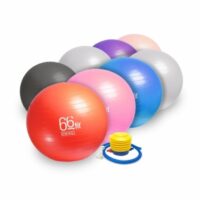
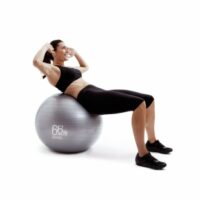 Exercise Balls, Back, Exercise Equipment, Knee, Shoulder
66fit Exercise Balls | Core & Rehab Stability Ball
$32.00 – $57.00Select optionsQuick View -
- Exercise Equipment, Resistance Band
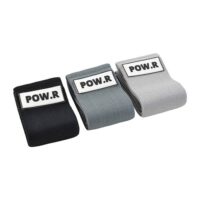
POW.R Wide Fabric Loop Resistance Band
$14.95 – $49.95Select optionsQuick View - Liniments & Gels, Massage Liniments, Pain Management
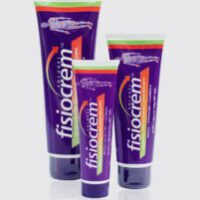
Fisiocrem
$16.95 – $39.95Select optionsQuick View -
-
-
-
-
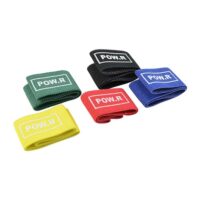 Exercise Equipment, Knee, Resistance Band
POW.R Fabric Mini Loop Bands
$12.00 – $55.00Select optionsQuick View - EMS Machines, Pain Management, TENS Machine, TENS Machine & EMS
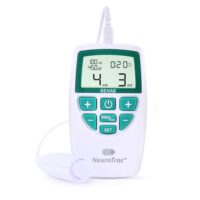
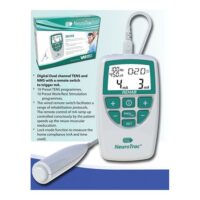
NeuroTrac Rehab (TENS Machine + EMS)
$299.95Add to cartQuick View -
-
-
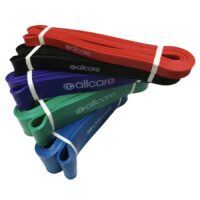
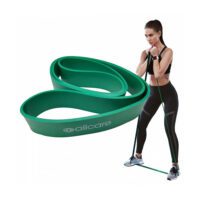 Exercise Equipment, Resistance Band
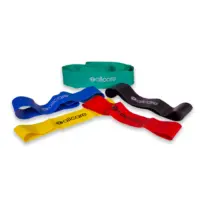
AllCare Powerloop Bands
$22.00 – $65.00Select optionsQuick View -
-




References
- Martin RL, Davenport TE, Fraser JJ, et al. Ankle stability and movement coordination impairments: lateral ankle ligament sprains revision 2021. J Orthop Sports Phys Ther. 2021;51(4):CPG1-CPG80. https://doi.org/10.2519/jospt.2021.0302.
- Mohd Radzi AAA, Mohamad MY. Effects of cryotherapy after soft tissue injury: a systematic review. Int J Allied Health Sci. 2022;6(2):2625-2631. https://doi.org/10.31436/ijahs.v6i2.690.
- Alhakami AM, Babkair RA, Sahely A, Nuhmani S. Effectiveness of therapeutic ultrasound on reducing pain intensity and functional disability: a systematic review of randomised controlled trials. PeerJ. 2024;12:e17147. https://doi.org/10.7717/peerj.17147.
- Abdulridha KH, Maseer MJ, Cuenca-Zaldivar JN, et al. Comparative effectiveness of rehabilitation protocols for hamstring injuries: a systematic review and meta-analysis. J Bodyw Mov Ther. 2025;44:820-832. https://pubmed.ncbi.nlm.nih.gov/40954668/.
