
Supportive Taping & Strapping


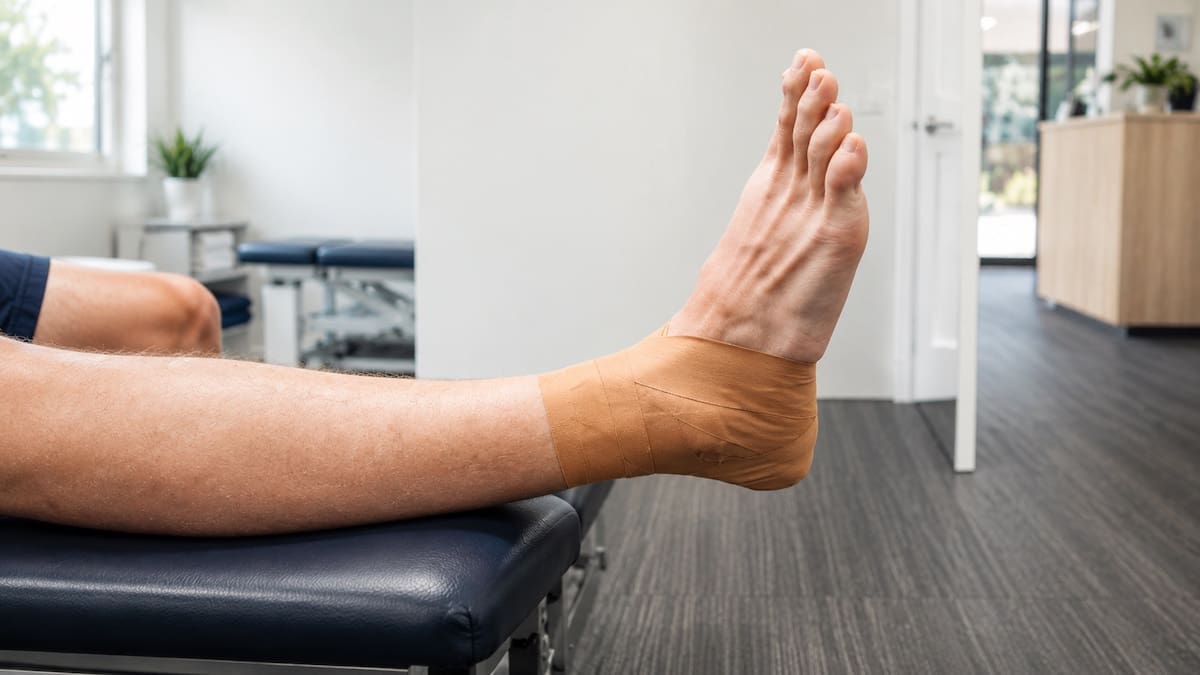
Supportive taping and strapping may help reduce pain, improve joint control, and build movement confidence during sport, work, and daily activity. It often helps most when it supports a rehab plan for common problems like ankle injuries, knee pain, or early-stage soft tissue irritation.
Many people use taping as a short-term support while they restore strength, balance, and control. Taping works best when it supports active rehabilitation, rather than replacing it. This means you can keep moving while you build longer-term capacity.
What Is Supportive Taping and Strapping?
Supportive taping and strapping use tape to guide, limit, or support movement around a joint or soft tissue area. A physiotherapist may use taping to protect irritated tissue, improve movement confidence, or support a short-term return to sport or work while rehabilitation continues.
How Strapping May Help
Taping can provide external guidance to a joint or soft tissue region. It may reduce excessive movement, improve body awareness, and make everyday tasks feel more comfortable. Some people also find it helps confidence when returning to training after an injury.
- May assist joint stability during sport and daily tasks
- May help reduce discomfort by unloading irritated tissues
- May improve confidence during return to movement
- Often used with strength and movement retraining
When a Physiotherapist May Recommend Taping
A physiotherapist may recommend supportive taping and strapping when symptoms flare with sport, stairs, running, or long periods on your feet. Taping may also suit early return-to-training phases when you need extra guidance while strength and control catch up.
- Ankle sprains, ankle instability, or tendon irritation
- Knee pain, patella irritation, or ligament sprains
- Shoulder discomfort with overhead sport or heavy lifting
- Wrist, thumb, and elbow pain during gripping tasks
- Hamstring, calf, or thigh support during return to running
Types of Tape and Why They Differ
Different tapes suit different goals. Your physiotherapist will choose the style based on what you need to limit, support, or encourage during movement.
Which Tape Might Suit Your Goal?
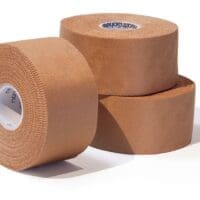
- Rigid tape: firmer support when a joint needs movement limits.
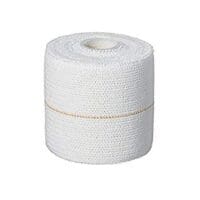
- Elastic strapping tape: flexible support when controlled movement is still needed.
- Kinesiology tape: light support and sensory feedback during movement.
What to Expect During a Strapping Appointment
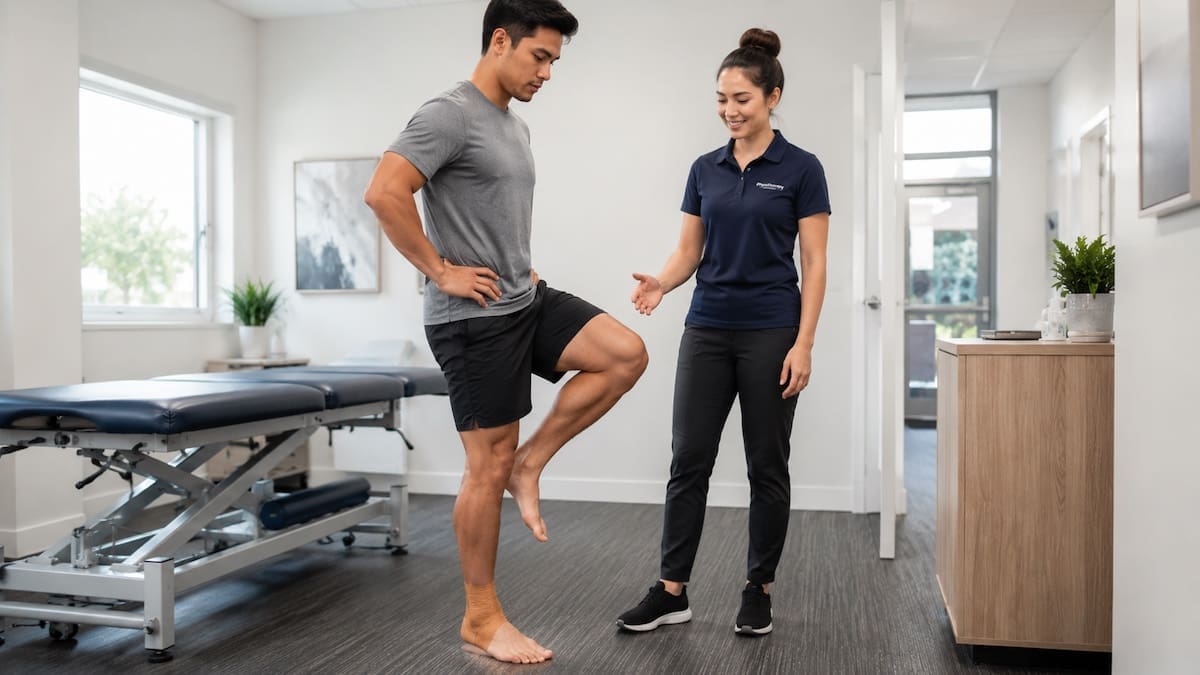
A physiotherapist will assess your joint range, strength, swelling, and movement pattern. Next, they will apply tape in a way that matches your sport, job, or daily demands. Then they will test it with the activity that brings on symptoms, such as squats, stairs, running drills, or a sport-specific movement.
Taping should feel supportive, not restrictive or painful. Remove the tape and book a review if you feel pins and needles, coldness, colour change, or increasing pain.
Wear Time, Skin Care, and Safe Use
Most rigid strapping is worn for training, games, or a set activity window. Kinesiology tape may be worn longer if your skin tolerates it. Either way, skin care matters. Clean, dry skin improves tape adhesion and reduces irritation.
- Avoid taping over broken or irritated skin
- Remove tape slowly, ideally after a shower or with adhesive remover
- Stop use if you develop a rash, blistering, or worse symptoms
- Ask about underwrap if your skin reacts easily
Pair Strapping With the Right Rehab Stage
Taping supports movement. Rehab changes it. For a staged approach, combine taping with early load management. Then progress strength, balance, and sport-specific drills. These PhysioWorks resources can help:
- Acute Injury Treatment
- Sub-Acute Soft Tissue Injury
- Ankle injury assessment and treatment
- Knee pain assessment and treatment
Strapping Tape Resources
Some people need tape for sport, work, or a short home program. Your physiotherapist can explain which tape suits your injury, skin, and activity level.
Does Kinesiology Tape Really Work?
Kinesiology tape does not “fix” an injury on its own. However, research suggests it may influence pain, movement confidence, and muscle activation in some people. Results vary, so a physiotherapist will match tape choice and technique to your goal and symptoms.
What the research suggests
Research on kinesiology tape shows mixed results. Some studies report short-term pain relief in ankle sprains. Other studies show little or no change in function or performance. As a result, taping usually works best as an add-on to exercise-based rehab and steady load progression.
Supportive Taping and Strapping FAQs
What is supportive taping and strapping used for?
Supportive taping and strapping are commonly used to assist joint control, manage discomfort, and support movement during sport, work, or daily activity. The aim is usually short-term support while strength, balance, and movement control improve.
Is kinesiology tape different from rigid sports tape?
Yes. Rigid sports tape aims to limit specific movement and provide firmer support. Kinesiology tape is elastic, so it allows more movement and is often used for sensory feedback, comfort, or movement awareness.
How long should I wear strapping tape?
Wear time depends on your skin, tape type, injury, and activity. Many people use rigid strapping for training, sport, or a set activity window. Kinesiology tape may be worn longer if your skin tolerates it. Remove tape earlier if symptoms or skin irritation increase.
Can strapping prevent injuries?
Strapping may reduce injury risk in some situations, especially when it supports joint control during sport. However, it should not replace strength, balance, conditioning, and steady load progression.
When should I remove strapping tape?
Remove tape if you develop increasing pain, pins and needles, numbness, skin irritation, swelling, or colour change in the limb. If symptoms persist after removing the tape, book a review with a physiotherapist.
Should I book a physiotherapist before taping myself?
Book a physiotherapist if you are unsure what is causing your symptoms, if you keep re-injuring the area, or if taping feels painful or ineffective. A physiotherapist can assess the problem, apply the right tape, and show you how taping fits your rehab plan.
What to Do Next
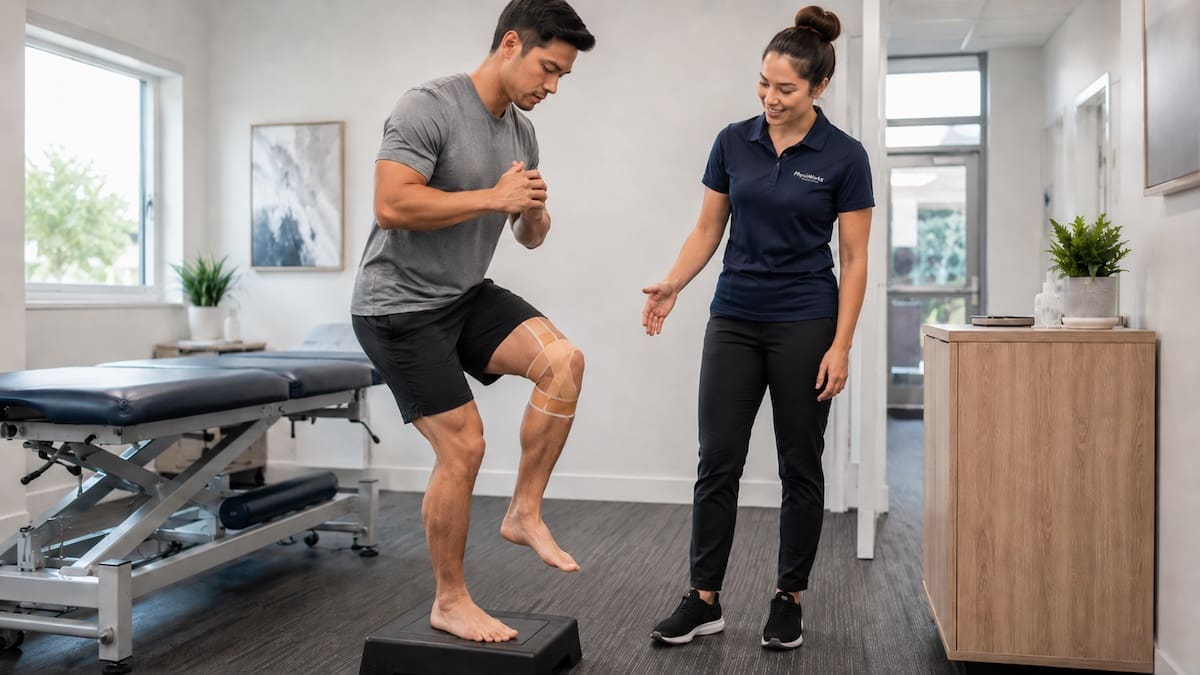
If you are unsure which tape is suitable, book an assessment. A physiotherapist can confirm what is driving your symptoms, apply the right strapping method, and show you when to use it and when not to.
Then you can pair taping with a plan to build strength, control, and confidence over time.
Book your appointment – 24/7
Choose your preferred PhysioWorks clinic and book online.
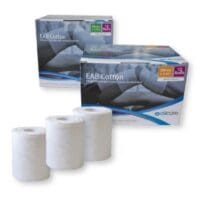
Strapping & Taping Products
These strapping and taping products are commonly used by our physiotherapists to support and prevent injuries.
Follow PhysioWorks
Get free physiotherapy tips, exercise videos, recovery advice, and blog updates.
 |  |  | B |  |  |
References
- Bocchino G, et al. The Effects of Kinesio Tape on Acute Ankle Sprain: A Systematic Review. J Clin Med. 2025.
- Romero-Morales C, et al. Is ankle taping effective to limit the ankle dorsiflexion in a single-training session? J Orthop Surg Res. 2023.
- Heß T, Milani TL, Kilper A, Mitschke C. Immediate effects of wearing an ankle bandage on coordination, balance and gait in the subacute phase of ankle sprains. Life (Basel). 2024;14(7):810.